A Manifesto for Practical Education
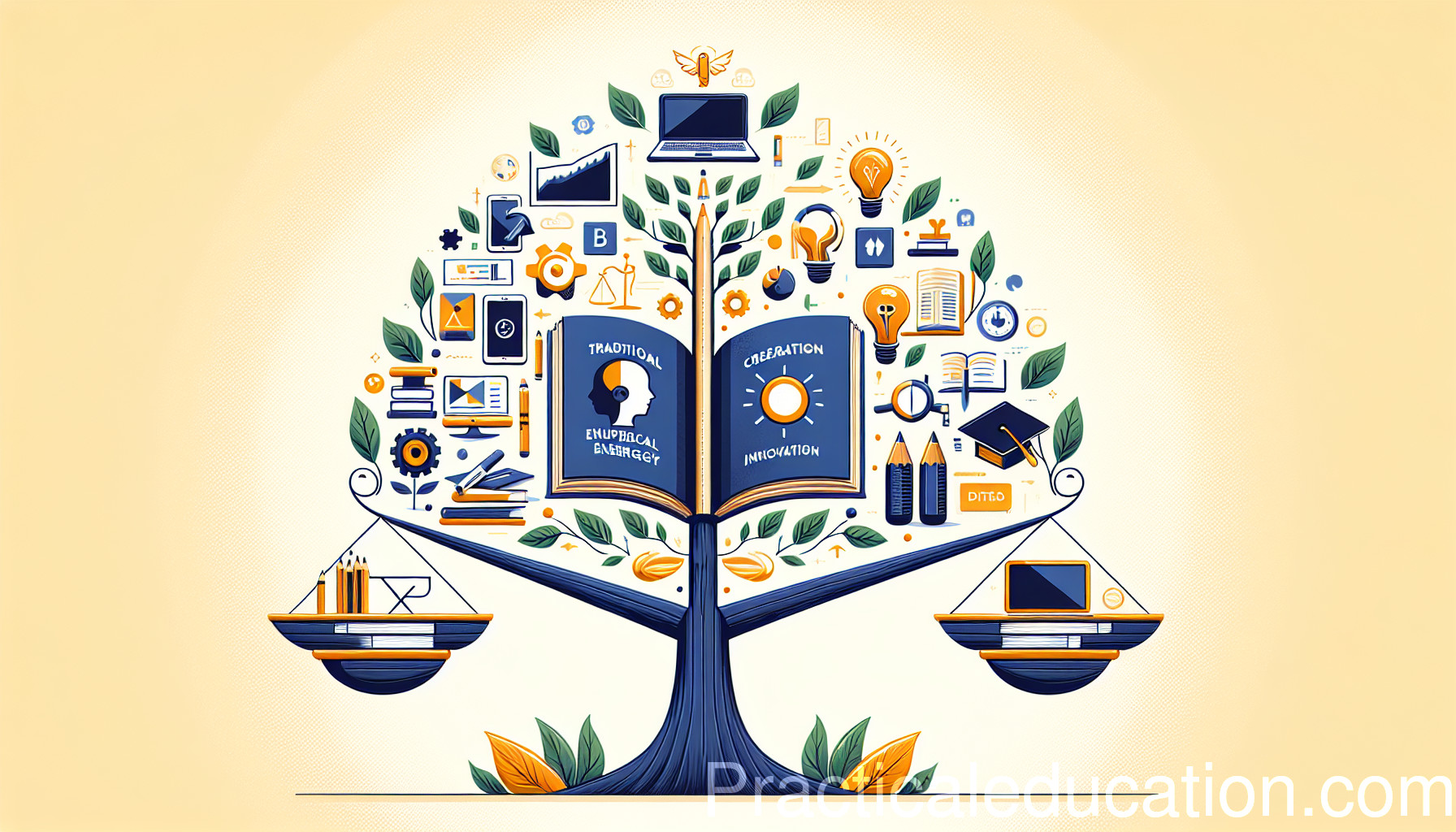
No more debt without ROI. No more diplomas without deliverables. No more dreams buried under GPAs. We don’t need perfect students. We need powerful creators. Let education teach us how to live, earn, serve, solve, and build—while we’re still young enough to do it.
In the evolving discourse around education, it is increasingly clear that traditional academic models are inadequate for preparing students for the complexities of contemporary life.The burdens of memorization, adherence to outdated curricula, and the pursuit of credentials often overshadow the primary purpose of education: to equip individuals for real-world challenges and opportunities.
A radical shift is necessary—one that champions practical, student-driven learning methodologies that directly align with market realities and personal development goals.
Such a shift does not merely challenge existing paradigms; it demands a complete dismantling of traditional educational myths that have long been accepted as truths.
Central to this argument is the idea of Return on Investment (ROI) within the educational context.
Historically, students have been conditioned to believe that substantial financial investment in tuition will yield corresponding job opportunities.
Yet, this correlation is often tenuous at best.
The reality is that many graduates find themselves burdened with debt and ill-prepared for the workforce.
This disconnect epitomizes the gap between what students learn and what employers expect.
A practical education model must establish clear and immediate connections between learning outcomes and real-world applications.
Educational institutions should develop frameworks that prioritize deliverables over diplomas, ensuring that students can demonstrate tangible skills and competencies that justify their educational investments.
This paradigm shift necessitates profound changes in curriculum design.
Instead of focusing on theoretical constructs insulated from practical application, curricula must center around experiential learning.
This involves integrating projects that replicate real business environments, encouraging students to solve actual problems faced by communities and industries.
Furthermore, educational institutions must embrace an entrepreneurial approach—cultivating an environment where innovation and creativity are essential components of learning.
For instance, students could engage in startup simulations, where they identify a market need, develop a business plan, and execute their ideas within a structured context.
Such initiatives would not only enhance learning outcomes but also contribute to a culture of ownership and autonomy, essential traits for success in an increasingly competitive global landscape.
The implications extend beyond curriculum and into the very fabric of educational institutions.
Universities and colleges should evolve into incubators for innovation rather than static bastions of knowledge.
This includes fostering partnerships with local businesses, non-profits, and government entities to create mentorship opportunities and hands-on projects for students.
By shifting the role of institutions from traditional gatekeepers of knowledge to dynamic facilitators of practical experience, students engage more fully in their own education.
This model recognizes that knowledge is not a finite commodity to be parceled out, but a resource to be actively explored and applied.
Furthermore, to create an educational approach that transcends borders, a global mindset must be adopted.
In many Eastern cultures, education emphasizes contextual knowledge and adaptability, providing valuable lessons for reformers in Western contexts.
Western education, with its emphasis on innovation and entrepreneurship, offers tools for practical execution.
By synthesizing these two paradigms, educators can cultivate an educational experience that is both comprehensive and relevant.
Curriculums can be designed to draw from global case studies, encouraging students to examine diverse perspectives and practices, thereby promoting a rich understanding of global issues alongside local contexts.
In examining the role of educators within this new model, it becomes clear that they must transition from traditional transmitters of knowledge to facilitators of learning.
Educators should act as guides who encourage inquiry, collaboration, and creativity among students.
This necessitates ongoing professional development that enables educators to stay abreast of emerging trends in both education and industry.
By equipping teachers with the tools and knowledge they need to facilitate practical learning experiences, we can create classrooms that inspire active participation rather than passive absorption.
Educators should be empowered to design assessments that capture not only students’ theoretical knowledge but also their practical skills and contributions to real-world projects.
Student experience must also be transformed to align with this new ethos.
Effective education should not be a monotonous journey defined by standardized tests and grading.
Instead, it should provide a vibrant environment where students are encouraged to take risks, explore their interests, and learn through failure and success.
Educational programs should incorporate mechanisms for ongoing feedback from peers, mentors, and industry professionals, facilitating a continuous improvement process that fosters resilience and adaptability.
This approach nurtures the development of powerful creators rather than mere completers of coursework.
Lastly, for reform to gain traction, educational policies must evolve to support innovative practices.
Policymakers should create incentives for institutions that prioritize practical education model, including funding for experiential learning programs and a restructured accreditation system that values competencies over traditional metrics of success.
Government entities can actively contribute to creating pathways that integrate education with industry, ensuring that graduates possess the relevant skills necessary to thrive.
In conclusion, the transformation of our educational system lies not just in restructuring curricula or enhancing teaching methodologies.
It requires a fundamental rethinking of the entire educational experience, one that prioritizes student-driven, practical learning and emphasizes real outcomes over outdated credentials.
We must challenge conventional beliefs surrounding education and embrace a paradigm that drives students towards ownership, income, autonomy, and mastery of real-world skills.
By aligning educational systems with practical realities, we foster a generation of powerful creators.
“Education is the bridge between potential and success, and it must be built on practical foundations.” (Eric Bach)