Killing Time in Classrooms
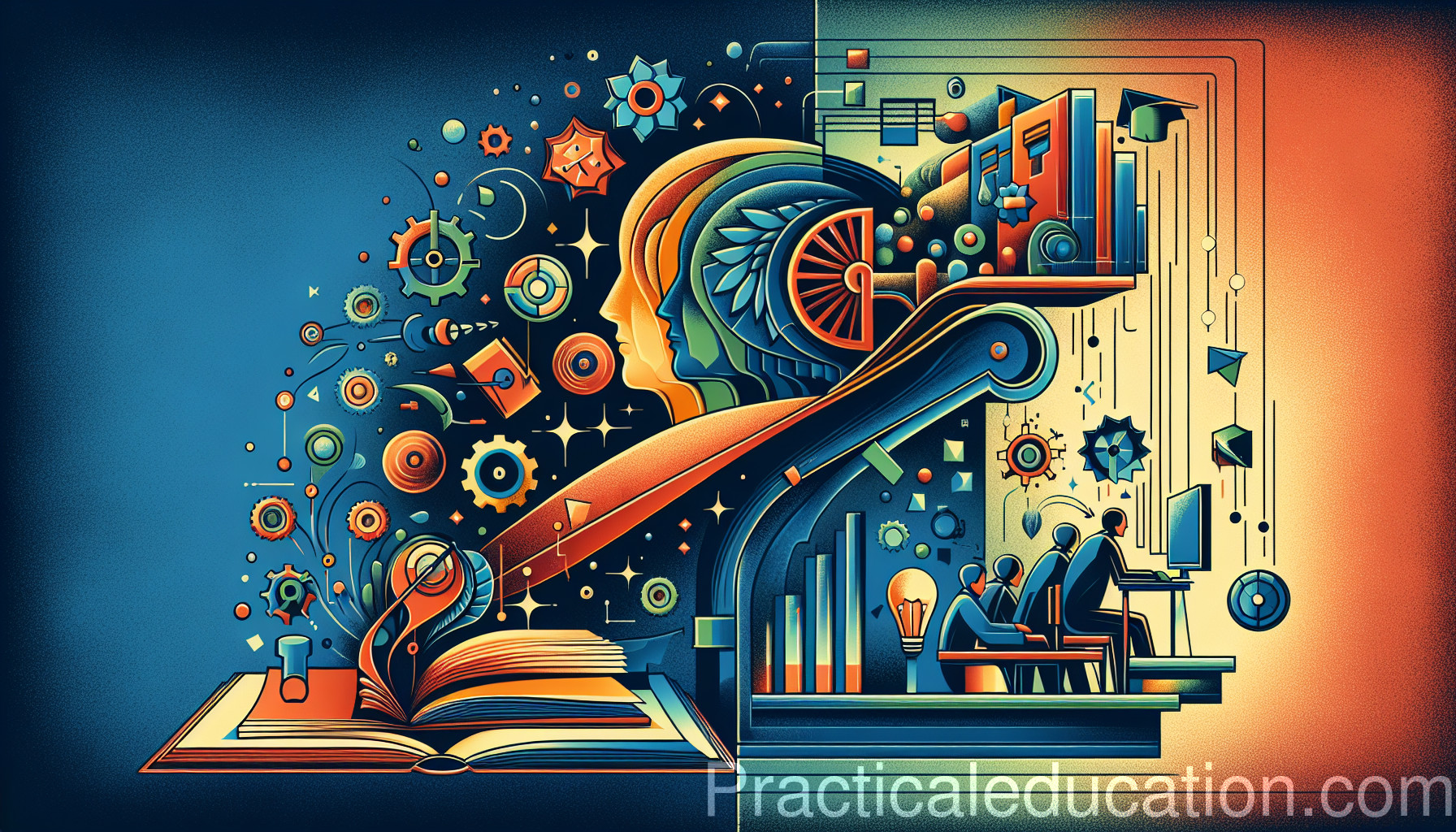
Most students aren’t learning—they’re waiting. Waiting for something real, something useful, something that matters. Passive sitting is not learning. Hours lost in boredom are future innovations killed in the cradle. If time is our greatest resource, schools are wasting it at scale.
In contemporary education, a pervasive issue arises from the way classrooms are structured and how learning is delivered: time is being squandered.Most students aren’t actively engaged in meaningful learning; rather, they are in a state of passive waiting.
This idle period, filled with rote memorization and compliance-driven tasks, is not only unproductive but also detrimental to the development of skills necessary for their future.
This chapter will assert that traditional educational methods are fundamentally at odds with the notion of effective learning as they prioritize time spent in classrooms over time spent in productive, real-world engagements.
Central to the argument is the idea that education should not be an exercise in endurance but rather a catalyst for opportunity.
Current educational models emphasize a curriculum incentivized by standardized testing and compliance, where success is often measured by students' ability to retain and regurgitate information.
This dynamic perpetuates a culture of passive learning, where students learn to fulfill requirements rather than to explore their interests or nurture their innate capabilities.
The implication here is clear: when education becomes merely a formality rather than a vehicle for real-world application, we deny students the chance to discover their passions and talents.
The contrast between passive classroom time and active learning experiences reveals significant insights for curriculum design.
Traditional curricula typically emphasize theoretical knowledge and abstract concepts at the expense of practical application.
Instead, educational systems should pivot towards experiential learning frameworks that focus on projects, problem-solving, and real-world scenarios.
For instance, integrating internships and community-based projects directly into the curriculum allows students to apply what they learn in contexts that matter to them.
This approach not only cultivates practical skills but also enhances students' autonomy and ownership over their learning processes.
Research highlights that students who engage in hands-on learning are significantly more likely to retain information and develop critical thinking skills than their peers who remain in traditional lecture-based environments.
In terms of institutional reform, schools must evolve from being mere knowledge dispensaries to becoming facilitators of innovation and entrepreneurship.
A global perspective mandates that educational institutions recognize the diverse needs of their student bodies, which stem from different cultural, economic, and geopolitical backgrounds.
For example, educational approaches that have yielded success in one region may not seamlessly translate to another due to different societal norms and economic conditions.
Therefore, schools should be designed to adapt their delivery methods based on local needs while fostering a global mindset.
Incorporating multi-disciplinary approaches—where subjects intersect with real-life applications—can cultivate skills that are portable across cultural contexts.
Moreover, empowering students as co-designers of their education fosters an environment ripe for innovation.
Educational institutions can innovate by involving students in the creation of their own learning pathways, allowing them to identify their interests and align their studies with practical, real-world applications.
This shift necessitates a re-evaluation of the role of teachers, who should transition from authoritative figures enforcing compliance to mentors guiding learners in exploring their aspirations.
In this model, the educator's primary responsibility is to create an environment that inspires inquiry, promotes collaboration, and enables students' passions to take root.
The implications extend beyond individual educational journeys.
When we accept that time spent in classrooms does not guarantee learning, we can redefine our understanding of what it means to be educated.
Effective education should be less concerned with seat time and more focused on skill acquisition and real-world readiness.
This calls for a reconsideration of global learning systems, which too often reinforce outdated metrics of success, such as grades or diplomas, that do not reflect actual competencies.
Policymakers and educators must prioritize benchmarks that assess students' ability to apply their knowledge in practical contexts, thereby addressing the often glaring disconnect between conventional academic achievement and real-world effectiveness.
In summary, the need to dismantle traditional educational frameworks based on passive learning cannot be overemphasized.
Restructuring curricula to center around active, student-driven learning will indeed nurture creativity, autonomy, and entrepreneurship.
This paradigm shift requires educational institutions to embrace their role as incubators for innovation, defining success not by time spent in classrooms, but rather by the actual skills and competencies students develop during their educational journey.
If we intend to prepare students for a competitive global landscape, we must ensure that their educational experiences equip them to engage proactively with the world, rather than passively endure classrooms.
The time for reform is not just necessary; it is essential.
The future of education hinges on our ability to recognize that active engagement, through fruitful, real-world experiences, creates a pathway to mastery and ownership in the world beyond the classroom walls.
When time becomes valuable rather than expendable, students will no longer be waiting—they will be participating in the creation of their futures.
"Killing time in classrooms leads to the death of innovation; real learning begins when students stop waiting and start doing." — Eric Bach