Education: The Greatest Scam Never Prosecuted
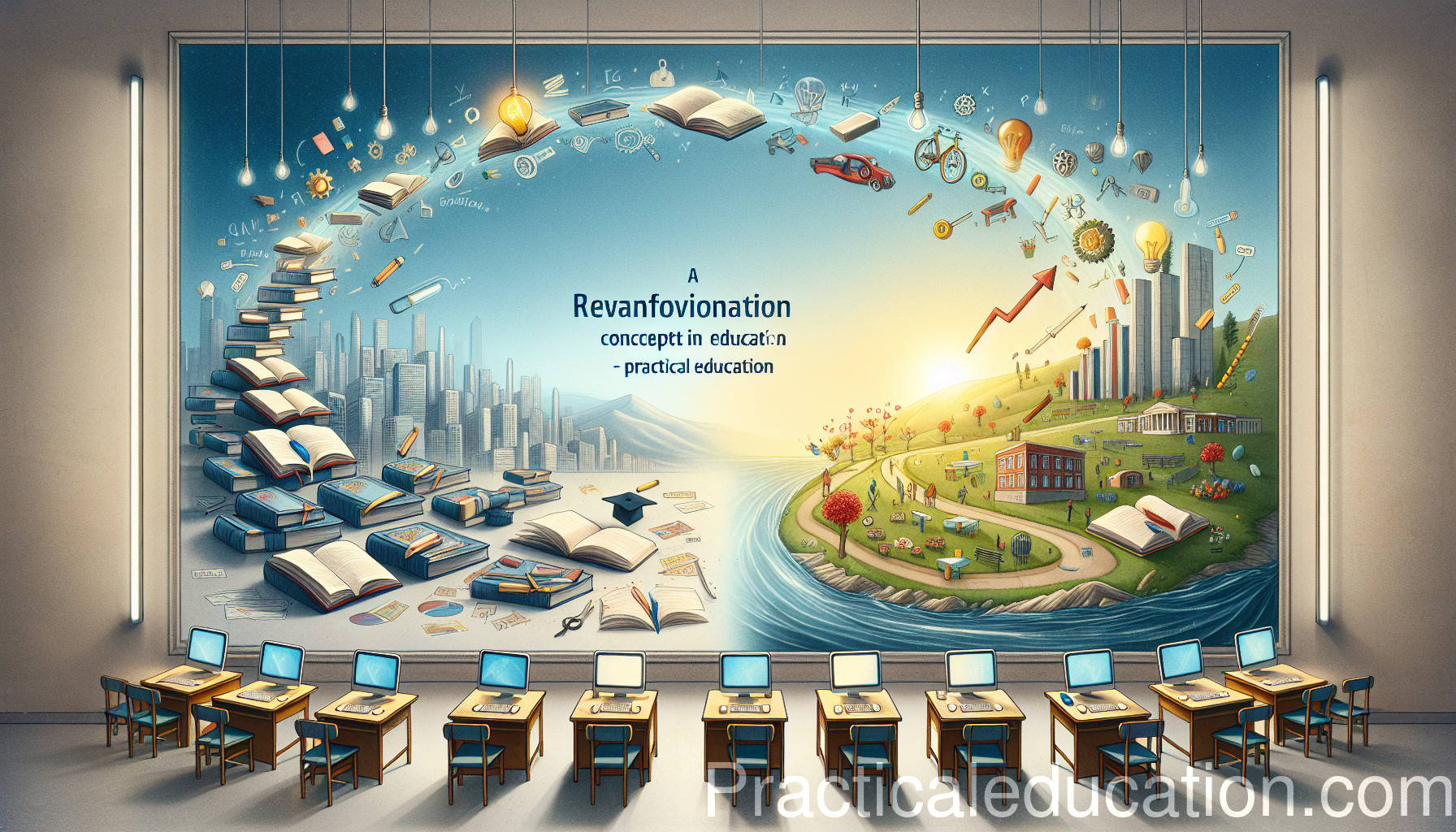
We imprison children and youth for 16+ years in a system that teaches nothing they can use to survive. The result? A $100,000 degree and zero income. They lose not just money—but their most creative, energetic, risk-taking years. We’ve built a society where learning equals life delay—and called it success.
Education: The Greatest Scam Never ProsecutedThe current educational landscape operates under a series of myths that hinder effective learning and personal development.
Among these myths, two stand out: that education is inherently valuable, and that the traditional schooling structure prepares students for success in life.
Upon closer analysis, it becomes clear that the contemporary model is misaligned with the demands of our evolving global economy.
This misalignment does not merely inconvenience students; it effectively imprisons them for an extended period, siphoning away their creativity and entrepreneurial spirit while bestowing them with degrees that, all too often, fail to translate into meaningful economic opportunities.
Modern education is predicated on engagement with a static curriculum based on rote memorization and compliance rather than critical engagement with real-world problems.
This was designed to produce a workforce compliant to the industrial age's needs—a workforce presenting minimal resistance to the demands of their roles.
The troubling consequence is that modern schooling teaches students to prioritize grades over practical skills, reducing education to a set of credentials instead of a foundation for lifelong learning.
This model promotes a philosophy where success is defined by one’s ability to navigate an overly hierarchical system rather than cultivate independence, creativity, and real-world problem-solving abilities.
Moreover, the detrimental effects of this traditional model extend beyond academic classrooms; they seep into the fabric of our society.
Students often graduate from institutions with significant debt but little applicable knowledge or marketable skills.
The result is that many young adults face a harsh economic reality upon graduation, with limited job prospects directly associated with their costly degrees.
This dynamic is exacerbated by a global economy characterized by rapid technological advances, a requirement for adaptability, and a need for interdisciplinary collaboration—concepts foreign to the majority of established educational frameworks.
The implications for curriculum design in such a context are profound.
A shift toward a practical education model necessitates a curriculum driven by student interests and real-world application.
This approach must prioritize skills such as critical thinking, entrepreneurship, financial literacy, and social adaptability.
The model can incorporate project-based learning, where students engage in real projects that require collaboration and creative problem-solving.
Such projects could range from developing business plans for local organizations to conducting research on global issues, thereby allowing students to acquire skills that are directly transferable to the workforce.
Educational institutions must also embrace flexibility in their structures and methodologies, transitioning from a one-size-fits-all curriculum to one that can adapt to individual student goals and real-world demands.
With the advent of technology and the ability to access vast resources online, institutions can leverage digital platforms to provide personalized learning experiences.
This not only addresses varied learning paces but also empowers students to take ownership of their learning journeys.
Additionally, this transition must be accompanied by an acute awareness of the global context within which education operates.
Cultivating a global mindset among students is integral to preparing them for a world where cultural intelligence and adaptability are paramount.
Programs that integrate local contexts with global challenges can foster an environment where students learn to navigate cultural nuances and apply their skills in diverse settings.
Educational practices that emphasize the significance of international cooperation and cross-cultural communication will provide students with the necessary tools to thrive in an interconnected world.
The role of educators in this new paradigm must also change.
Rather than being mere transmitters of knowledge, educators should assume the role of facilitators, guiding students as they explore their interests and develop their competencies.
This involves an ongoing dialogue centered on real-world issues, allowing educators to connect classroom content with practical implications and fostering a shared learning experience that encourages exploration and innovation.
Financial implications should not be overlooked.
By creating a framework for practical education that emphasizes vocational training and skill acquisition, we can better align education with employment outcomes.
Institutions should partner with businesses and industries to ensure that curricular offerings provide students with relevant knowledge and competencies sought by employers.
This collaboration can lead to internship opportunities, mentorships, and hands-on experiences that further diminish the gap between education and market demand.
Furthermore, the promotion of entrepreneurial thinking across all fields of study is critical.
Assessing learning outcomes beyond traditional examinations, focusing on project outcomes, peer assessments, and real-world impacts will nurture an entrepreneurial spirit among students.
This means embracing risk-taking, experimentation, and iteration in the learning process, reflecting the unpredictability of the real world.
The result of adopting such a model would be far-reaching.
Educational reform grounded in practical, student-driven, real-world learning would empower students to pursue their interests without the fear of financial repercussions stemming from irrelevant degrees.
Their education would no longer be viewed as a means to an ends, but as the foundation upon which they can build their futures.
Rather than a societal burden defined by years of debt and underemployment, graduates would enter the workforce as capable, knowledgeable individuals poised for success.
In summary, the educational system as it stands operates under an illusion—an outdated belief that equates seat time and credentialing with knowledge and success.
By dismantling these myths and reimagining education as an adaptable, practical discipline centered around student-driven learning, we can create a productive ecosystem that prioritizes real-world application, ownership of learning, and economic empowerment.
The time has come for a paradigm shift, a new model of education that transcends traditional boundaries and prepares individuals to thrive in a complex and dynamic world.
"Education should not be a tool of conformity but a catalyst for creativity; learning must lead to real-world mastery." (Eric Bach)