Degrees of Slavery
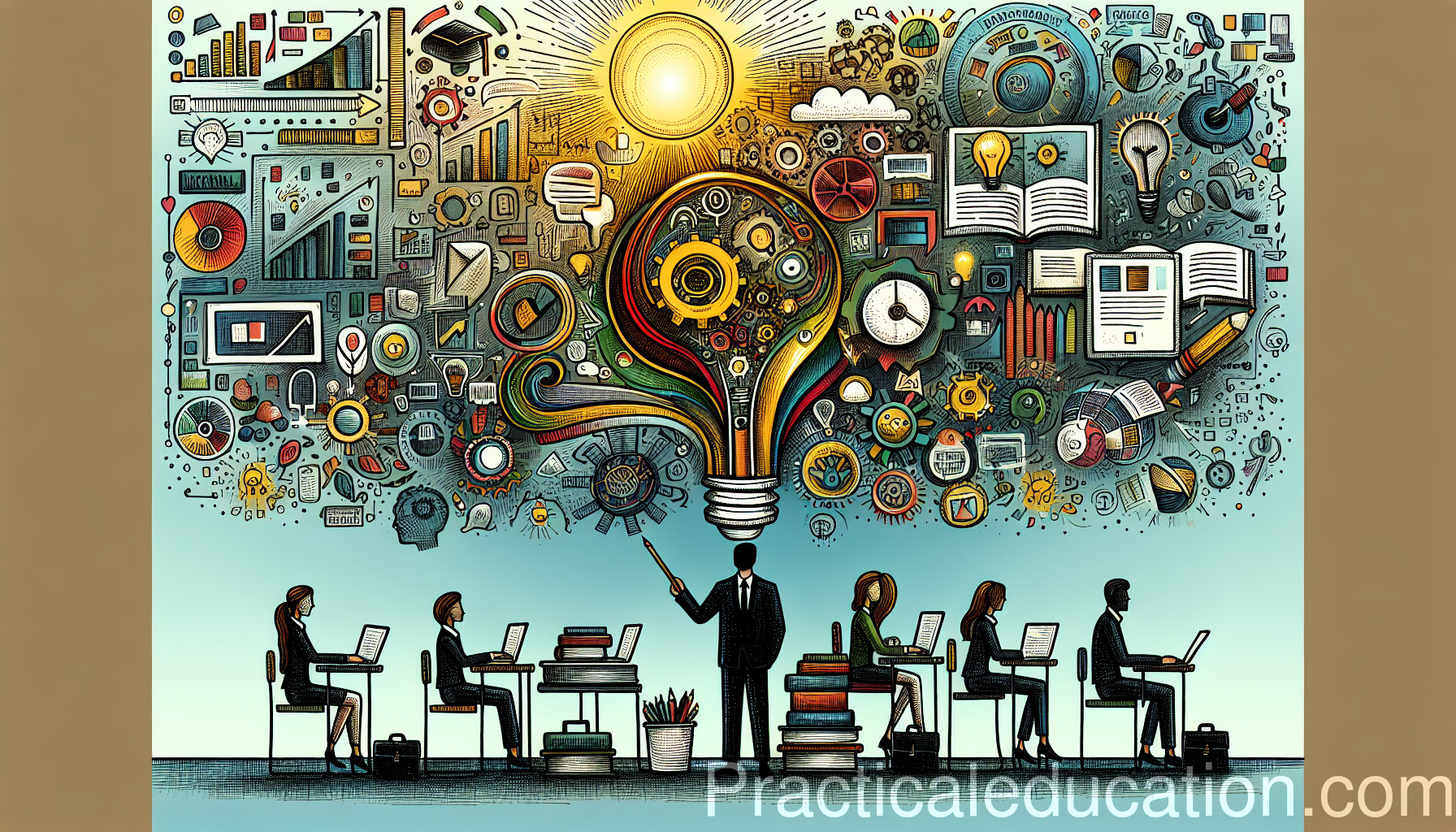
A degree used to mean opportunity—now it’s just expensive permission to beg for work. Students graduate with debt, desperation, and a CV that screams “hire me, please.” But why learn for a certificate when you can learn for real-world results? The diploma economy is broken. Let’s rebuild one that values impact, not paper.
The traditional education system has long been anchored in the belief that obtaining a degree guarantees an opportunity for employment and a pathway to success.This assumption, now increasingly discredited, rests on outdated paradigms that equate paper credentials with capability.
The reality is that a university diploma often disguises a more sinister truth: a structured form of economic dependence, where graduates emerge from their educational institutions burdened not only with knowledge gaps but also with substantial debt and insufficient practical skills.
The rugged economic landscape demands a radical reevaluation of learning objectives, transitioning focus away from merely obtaining degrees to cultivating competencies that lead to real-world impact and autonomy.
The concept that a degree signifies both knowledge acquisition and employability is fundamentally flawed.
While degrees once symbolized opportunity, they have transformed into expensive licenses that tether individuals to a system that prioritizes compliance and rote learning over creativity, critical thinking, and practical application.
The proliferation of degrees has created an oversaturated market, resulting in “credential inflation,” where the value of a diploma diminishes as more individuals acquire similar qualifications.
Simultaneously, employers often express dissatisfaction with graduates’ preparedness for real-world challenges, underscoring the disconnect between academic training and industry needs.
The educational establishment inadvertently perpetuates a cycle of dependency, whereby students perceive a degree as the sole gateway to employment, fostering an environment of submission and obedience rather than empowerment and initiative.
To dismantle this archaic model, we must embrace an educational framework that is not only student-driven but also centered on real-world results.
This paradigm shift necessitates a curriculum designed around skills and competencies that align with both personal ambition and market demand.
Instead of the traditional model where knowledge is passive—gleaned from lectures and textbooks—education should transform into an active, experiential process.
Students must engage in hands-on projects, internships, and entrepreneurial endeavors that hone their skills in practical settings.
This approach not only aids in the development of critical competencies but also fosters a mindset of ownership and responsibility.
By removing the constraints of traditional exams and grades, institutions can cultivate an environment where students are incentivized to innovate and pursue avenues that resonate with their personal and professional aspirations.
Educational institutions must reconsider their operational and pedagogical philosophies to facilitate this new model.
This involves reimagining teaching roles from disseminators of information to facilitators of learning experiences.
Educators should function as mentors, guiding students through real-world challenges and encouraging them to take initiative in their learning processes.
Curriculums must incorporate interdisciplinary approaches that utilize project-based learning and collaboration across various fields, thereby broadening skill development and enhancing adaptability.
Institutions should aim to foster partnerships with industries to ensure that student learning remains relevant and aligned with current market realities, fostering pathways for internships, apprenticeships, and collaborative projects.
Such partnerships not only enrich the student experience but also provide invaluable feedback channels to adjust curricula based on evolving workforce needs.
Global relevance plays a pivotal role in shaping the future of education.
As we navigate an increasingly interconnected world, it is imperative that educational systems adopt a global mindset, integrating diverse perspectives into the curriculum to prepare students for the complexities of the modern marketplace.
This requires a synthesis of entrepreneurial methodologies prevalent in Western education with the philosophical depth and logical rigor often found in Eastern educational practices.
By striving for a balance between innovation and tradition, curricula can reflect a holistic understanding of both skills and ethics, preparing students not merely for jobs, but for meaningful contributions to society.
Moreover, the paradigm of assessment needs transformation.
Traditional grading systems promote competition and often discourage innate curiosity, creating a hostile learning environment that may stifle creativity.
Instead, assessment should prioritize mastery and ongoing feedback over standardized testing.
Competencies should be evaluated through practical demonstrations of knowledge, fostering a culture where students are not only encouraged to excel in their areas of interest but are also permitted to fail and learn through experience.
This shift diminishes the stigma around mistakes and promotes resilience, a critical characteristic in an ever-changing world.
The implications of these proposed changes extend beyond individual students and institutions; they represent a potential transformation in the global education system.
As nations grapple with economic shifts and workforce demands in the wake of rapid technological advancements, a focus on practical results rather than standardized degrees allows for a more adaptive, responsive educational framework.
Countries that embrace this new educational paradigm could enhance their competitiveness on the global stage, nurturing talent that is not merely job-ready but also equipped to navigate and lead within a dynamic, multifaceted economy.
In conclusion, education should not be a linear path towards the acquisition of diplomas but rather a fluid, evolving journey towards mastery and impactful engagement with the world.
It is imperative to reject the notion that a degree equates to opportunity and success, and instead embrace a holistic model that prioritizes practical skills and real-world applications.
By placing the emphasis on learning that leads to ownership, income, and autonomy, we lay the foundation for an educational system that prepares individuals not just for occupations, but for life.
"Education should serve as a launchpad for mastery, not a restriction into the orbit of obligations." — Eric Bach.