Failure by Design
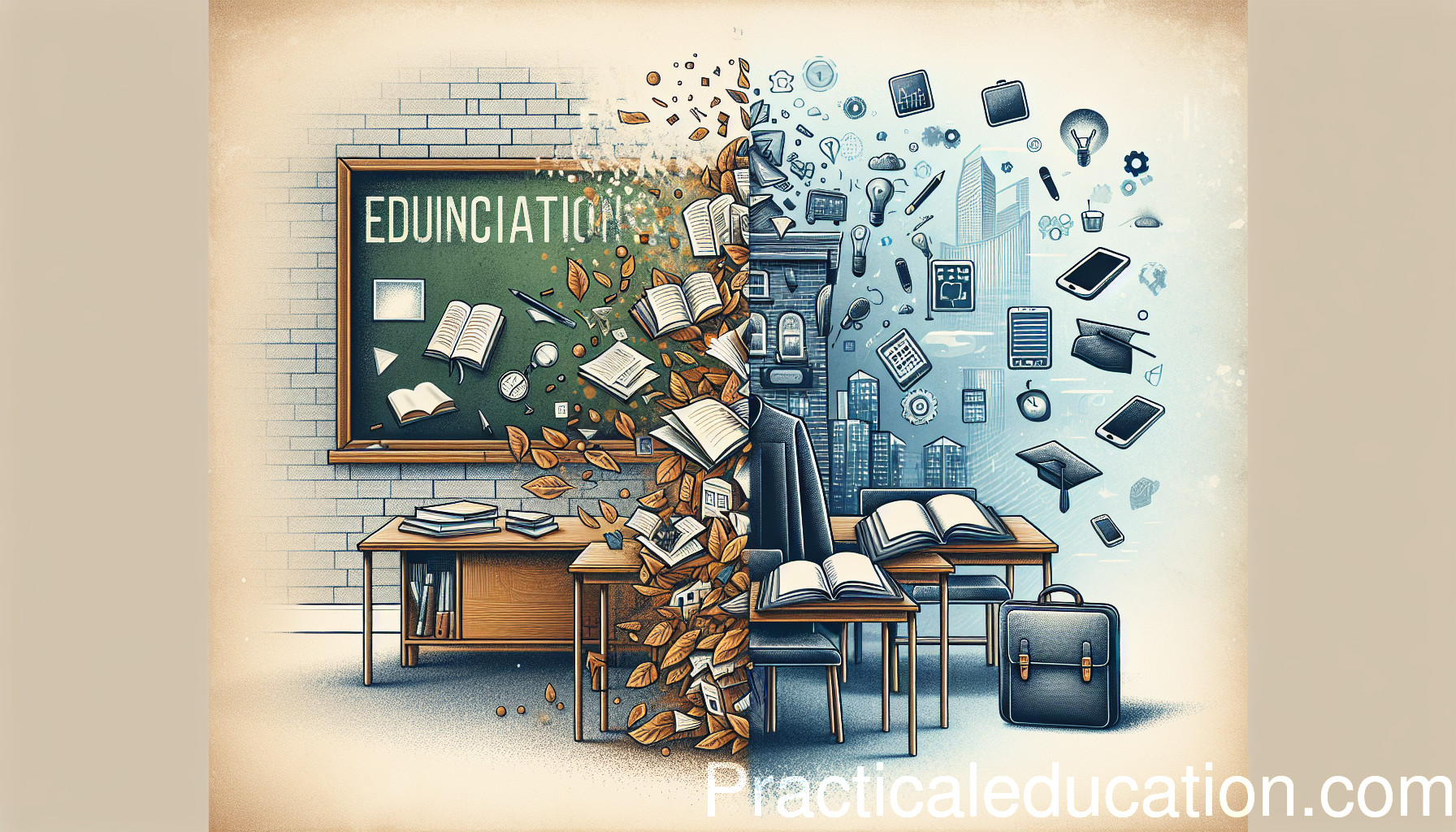
It’s not that students are failing. It’s that the system is failing them—on purpose. Every “F” is a cry for relevance. Every dropout is an indictment, not a statistic. Until school teaches us how to live, not just how to pass, failure will remain systemic.
In contemporary discourse on education, the prevailing narrative has often framed student failure as an individual shortcoming.This perspective obscures a much larger truth: the systemic design of traditional education is fundamentally misaligned with the realities of student needs and societal demands.
The frequent occurrence of poor academic performance and high dropout rates illuminates a critical issue: it is not the students who are failing; instead, the educational institutions are failing them, by design.
This chapter seeks to dismantle the myths surrounding traditional educational paradigms and proposes a model in which learning is relevant, autonomous, and rooted in real-world applications.
At the core of this transformation is the recognition that the foundational structure of education prioritizes memorization and conformity over critical thinking and creativity.
Traditional schooling models emphasize standardized testing, with an undue focus on rote learning rather than the cultivation of skills applicable in real-world contexts.
As a result, students emerge from years of schooling without the necessary competencies to navigate life's complexities effectively.
The facade of academic achievement, measured solely by grades and degrees, must be scrutinized; these metrics often fail to capture an individual's ability to adapt, innovate, and lead in dynamic environments.
The first actionable step in addressing this systemic failure lies in redefining educational success.
Success should not be narrowly defined by grades, but rather by a student's ability to apply knowledge in practical, entrepreneurial contexts.
Curriculum design should shift from a one-size-fits-all approach to a more individualized, project-based learning framework.
In this model, students would pursue projects that resonate with their interests and career aspirations, allowing them to acquire skills in a context that feels relevant and empowering.
The implications of this redesign are vast: institutions need to embrace flexibility in their curricula, permitting exploration within and across disciplines to stimulate genuine curiosity and innovation.
Fostering an educational environment that values autonomy and relevance necessitates substantial changes at the institutional level.
Schools should implement mentorship programs that connect students with industry professionals from diverse fields.
This creates pathways for students to engage with real-world challenges and solutions, thereby reinforcing the practical application of their education.
Educational institutions might also consider collaborating with local businesses and organizations to develop experiential learning opportunities that extend beyond classroom walls.
Such collaborations could yield internships, apprenticeships, and community-based projects that not only bolster students' resumes but also instill a sense of responsibility and agency within them.
Moreover, the adoption of technology in education presents both opportunities and challenges.
Online learning platforms and resources can facilitate personalized learning experiences, allowing students to engage with coursework at their own pace.
This aligns with the burgeoning demand for lifelong learning—a necessity in today's fast-evolving job market.
However, educational institutions must avoid succumbing to the pitfalls of purely digital education, which can lead to isolation and disengagement.
A blended approach, incorporating both in-person interactions and online resources, is essential to maintain a sense of community while fostering individual empowerment.
The global nature of today's economy underscores the need for educational reform that transcends geographical and cultural boundaries.
Students across the world are increasingly interconnected, yet traditional curriculums often fail to address global competencies.
By integrating international perspectives into learning, educational institutions can prepare students to engage meaningfully with diverse cultures and ideas.
This includes understanding geopolitical contexts, recognizing global market trends, and appreciating the importance of cultural adaptability in business practice.
Educators have a responsibility to cultivate a global mindset in their students, equipping them with skills that transcend local contexts and prepare them for a multipolar world.
In light of these shifts, student experiences will inevitably transform.
Learning should be an active, engaging process in which students see themselves as stakeholders.
When students participate in their learning journeys—selecting projects that matter to them, collaborating with peers, and receiving feedback from mentors—they are more likely to develop a sense of ownership over their education.
This increased engagement often correlates with better outcomes, including higher retention rates and improved performance, serving as a counter-narrative to the notion of student failure.
Relevance becomes a driving force in student motivation, with every challenge encountered in their projects serving as an opportunity for skill development rather than as a source of frustration.
The educational paradigm must also include practical financial literacy as a critical component of the curriculum.
Teaching students how to manage money, invest, and understand economic principles is integral to fostering autonomy and ownership in their future trajectories.
Such skills allow for informed decision-making and entrepreneurial pursuits while combating systemic inequalities.
By ingraining these principles into curricula worldwide, we begin to create a generation of learners equipped not only to navigate challenges but to devise solutions that contribute to societal progress.
In conclusion, if traditional education continues to center around outdated paradigms of memorization and compliance, we will perpetuate a cycle of systemic failure.
Instead, we must embrace a model that prioritizes practical, relevant learning experiences in which students drive their educational paths.
By focusing on autonomy, real-world applications, and a global mindset, we can cultivate an educational environment that not only prepares students for the workforce but equips them for life.
Therein lies the crux of educational reform: we must shift from teaching only how to pass tests to teaching how to live, for therein rests the power to confront and dismantle the cycles of failure ingrained in our current system.
"Education must evolve from a mere passage of tests to a journey of life; only then can we equip minds for mastery." — Eric Bach