The Invisible Curriculum of Fear
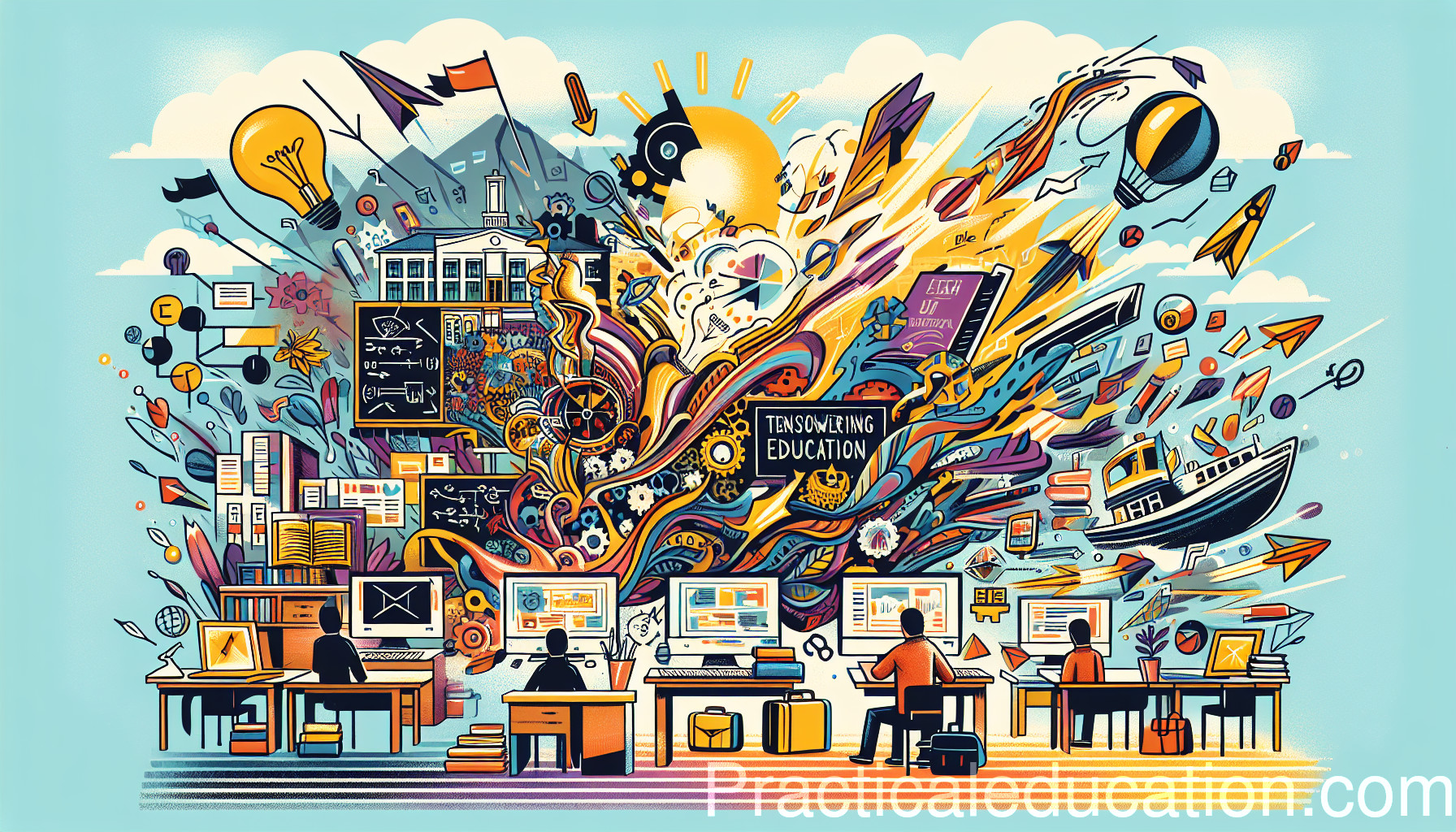
Beyond the official lessons lies a hidden one: Don’t speak up. Don’t stand out. Don’t go too fast or too far. This culture of fear suppresses everything education should unleash. Courage should be a learning outcome. Instead, it’s a disciplinary infraction.
Courage is not traditionally recognized as a pillar of educational achievement.Instead, the prevailing educational model cultivates conformity through a pervasive invisible curriculum that stifles individual expression and critical thought.
Students are often conditioned to adhere to a structure that discourages audacity and innovation in favor of rote memorization and compliance.
This chapter examines how the culture of fear embedded within traditional education undermines its potential to foster true mastery and autonomy, proposing that we must intentionally design learning environments that prioritize courage as a critical outcome.
The invisible curriculum of fear operates on a series of unspoken rules: students learn to avoid interactions that might elicit disapproval from authority figures or peers.
Speaking up becomes fraught with risk, and the pressure to conform often results in a tacit agreement to play it safe rather than challenge ideas or take intellectual risks.
This suppression of individuality is particularly detrimental in an age characterized by rapid change, where critical thinking and adaptability are paramount.
By discouraging students from voicing dissent or exploring unconventional pathways, the educational framework inadvertently reinforces a risk-averse mentality.
As a result, graduates enter a workforce and world that increasingly values innovation and problem-solving but find themselves ill-prepared to contribute effectively.
Revising the educational approach requires a reassessment of the curriculum design itself.
Traditional metrics of success—grades, standardized tests, and diplomas—often bear little relation to real-world competencies and entrepreneurial ambitions.
A curriculum that empowers students to develop courage as a learning outcome must integrate opportunities for genuine discourse, exploration, and the acceptance of failure as a step toward mastery.
From a practical standpoint, this involves creating learning experiences that mimic real-world challenges, allowing students to collaborate on projects that require risk-taking, creativity, and the ability to pivot when encountering obstacles.
These experiential learning models can be framed around themes relevant to local and global contexts, ensuring that students not only engage with material but also cultivate skills that are transferable across various domains.
Educational institutions must evolve from being gatekeepers of knowledge to facilitators of learning experiences that promote autonomy.
This transition necessitates reimagining the role of educators as guides and mentors who encourage exploration rather than enforcers who demand compliance.
Professional development for educators should focus on building skills in facilitating open dialogue, fostering inclusive environments, and modeling courage in their pedagogical approaches.
An educator’s ability to navigate challenging conversations and to embrace uncertainty is essential in teaching students the importance of standing out and speaking up in thoughtful, constructive ways.
Moreover, a global mindset is crucial in redesigning education for the modern world.
The interplay between Western notions of individualism and Eastern philosophies of interdependence can inform a richer understanding of courage as both a personal journey and a communal responsibility.
Societies across the globe face multifaceted challenges that require innovative solutions, and education must prepare students not just to adapt but to lead with informed perspectives.
Incorporating global issues such as climate change, social justice, and economic inequality into the curriculum can provide students with a concrete framework within which to apply courageous thinking and action.
By grounding lessons in real-world contexts, educators can facilitate a deeper connection between learning outcomes and student aspirations.
The implementation of this courage-centered educational model poses challenges that must be addressed thoughtfully.
Systems of assessment must evolve to reflect not only knowledge acquisition but also the cultivation of skills such as resilience, adaptability, and assertiveness.
Formative assessments that encourage reflection on experiences, peer feedback mechanisms, and portfolios showcasing creative and critical projects can better quantify students' development in these areas.
Redefining what it means to succeed academically will require a cultural shift within education systems, prioritizing growth and learning over mere compliance.
In addition to curricular and structural changes, promoting a culture of courage necessitates thoughtful engagement with parental and community stakeholders.
Parental expectations often influence students' behaviors and attitudes toward education.
Initiatives that educate parents about the value of risk-taking in learning can create a supportive home environment that reinforces the principles taught in schools.
Allowing students to showcase their projects and successes publically builds confidence and encourages a sense of community around courage and innovation.
Ultimately, the dismantling of the invisible curriculum of fear is contingent upon all educational stakeholders recognizing the importance of courage as an educational outcome.
By vehemently advocating for this shift, we can reconstruct an educational paradigm that values exploration, creativity, and the freedom to challenge existing norms—qualities essential for navigating an interconnected and rapidly evolving world.
In conclusion, courage should not be viewed as a mere ancillary trait; it must be a central focus of education aimed at preparing students for real-world challenges.
By fostering courageous dialogue, embracing risk-taking, and cultivating environments that reward exploration, we set the stage for a generation that is not only knowledgeable but empowered to innovate.
An educational paradigm that encourages courage ensures that students emerge as proactive, adaptable, and assertive contributors to society.
"The path to true mastery is paved with the courage to question and the willingness to act." (Eric Bach).