Forgotten by Friday
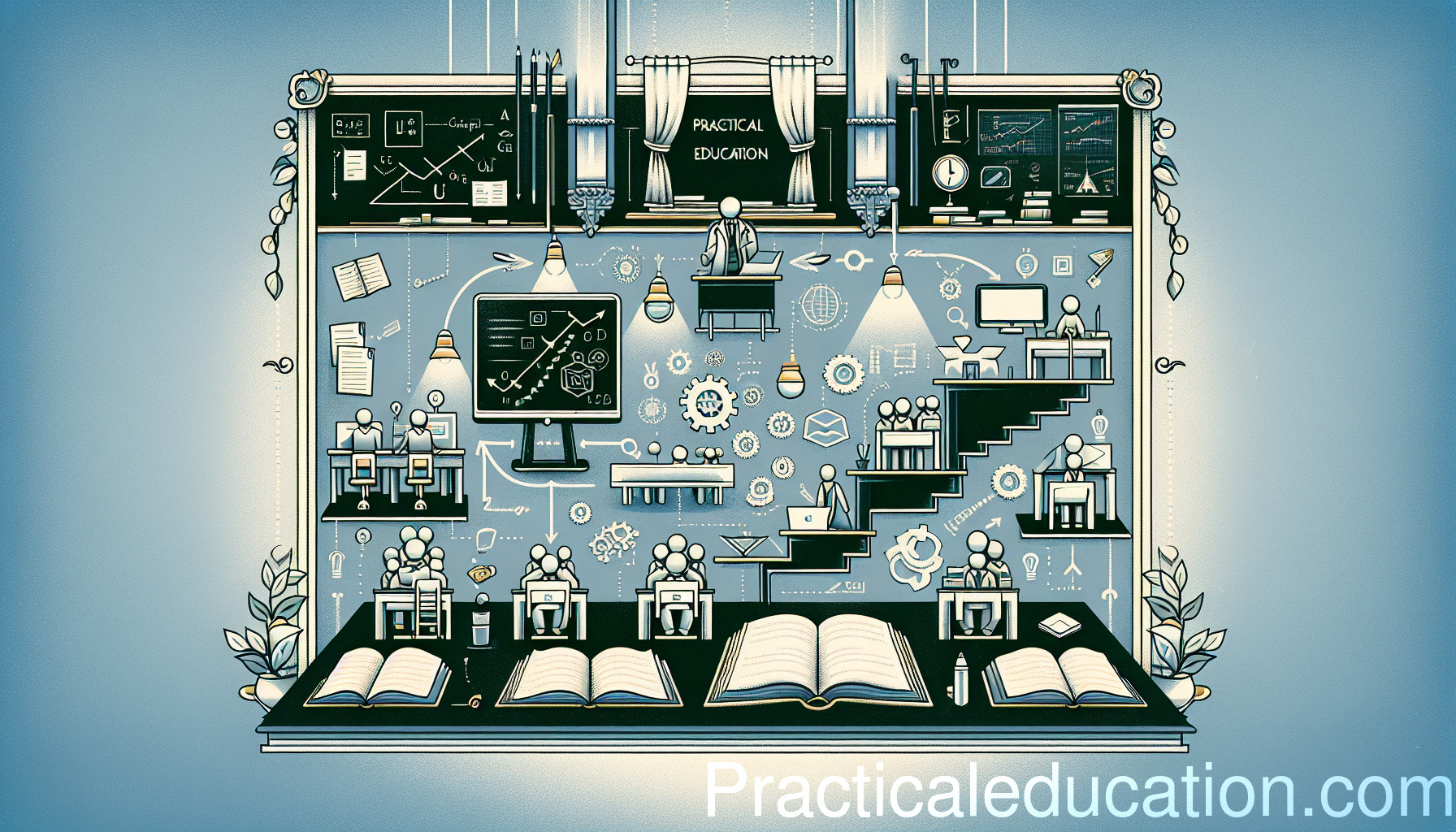
If students forget 90% of what they “learn,” what was the point? Forgetfulness isn’t a student’s flaw—it’s the system’s failure to inspire. Memorization without meaning is brainwashing. Education must become unforgettable—because it changes you, not fills you.
In the current educational landscape, students are often viewed as vessels into which knowledge is poured, a model primarily exemplified by rote memorization and standardized testing.However, empirical evidence suggests that this method is fundamentally flawed; on average, learners tend to forget approximately 90% of what they have “learned” within a short period.
The question arises: if forgetfulness is such a common outcome, can we not justifiably claim that the system itself is broken?
Rather than attributing this tendency solely to individual shortcomings, we must critically examine the systemic failures that limit a student’s capacity to engage meaningfully with knowledge.
The focus must shift from mere retention of facts to the cultivation of skills that are applicable, memorable, and inherently valuable.
The core idea emerging from this analysis is the necessity for an educational paradigm that prioritizes active learning over passive absorption.
The current model perpetuates a cycle where students engage in education primarily for grades or diplomas, which often lack relevance in the real-world context.
For education to be transformative, it must be designed to align closely with practical, real-life scenarios that necessitate critical thinking and problem-solving.
In doing so, we advocate for a curriculum that empowers students through direct engagement with their environment, facilitating ownership of the learning process, mastery of skills, and the capacity to create economic value through their knowledge.
To dismantle persistent myths about traditional education, we must acknowledge a fundamental truth: memorization without context is largely ineffective.
Students often find themselves regurgitating information without a clear understanding of its application or relevance.
For instance, a student may learn the quadratic formula, yet struggle to apply this knowledge to real-world problems.
In contrast, practical education emphasizes context-driven learning, focusing on understanding principles rather than simply recalling facts.
This principle finds application in the realms of project-based learning and experiential education, which stress the importance of deep engagement and relevance in curriculum design.
Curricula should thus prioritize what can be termed “informed practices,” activities that provide students with opportunities to engage with complex, real-world issues.
By structuring learning experiences around projects that simulate genuine challenges faced by businesses and communities, educators can enhance student engagement and retention.
This method not only bridges the gap between theory and practice but also cultivates a mindset geared towards innovation and adaptability—qualities essential in today’s rapidly changing global landscape.
In this framework, students learn through doing, which fosters deeper, more lasting understanding and skill acquisition.
Educational institutions have a critical role in implementing this shift.
Traditional teaching methods have often functioned within rigid hierarchies, emphasizing teacher authority and standardization.
However, future successful educational environments must embrace flexibility, allowing for diverse forms of knowledge acquisition.
Institutions must cultivate partnerships with businesses, non-profits, and community organizations to facilitate projects that are inherently relevant to students’ lives and careers.
By embedding learning within the fabric of real-world application, students are less likely to forget the lessons learned; instead, they will possess the tools necessary to navigate their futures.
Moreover, the global implications of a practical education model must be considered.
The interconnected nature of today’s societies necessitates an educational framework that transcends cultural and geopolitical boundaries.
By integrating perspectives and knowledge from various regions—combining Western entrepreneurial practices with Eastern philosophical insights on adaptability and resilience—global education systems can evolve.
This approach recognizes the value in diversity, fostering a more nuanced understanding of global issues while equipping students to engage productively in an increasingly interconnected world.
Such a framework also poses a stark contrast to outdated assessments of academic performance.
In a system that favors memorization, examinations often test static recall rather than evaluative thinking or creative application of knowledge.
By abandoning a reliance on conventional testing standards, educators advocate for alternative forms of assessment, such as portfolios, peer reviews, and real-world project evaluations.
These methods can provide a more accurate reflection of a student’s comprehension and skill set, fostering a culture of continuous feedback and improvement.
Furthermore, educational policy must evolve to support the necessary infrastructure for practical education.
Governments and educational advocates should advocate for funding that prioritizes innovative teaching methods and the development of robust curricula centered around active learning.
Investment in teacher training will also prove essential, as educators will require the tools and knowledge to implement these progressive methodologies effectively.
Adoption of technology in education can enhance practical learning experiences through simulations, applied labs, and virtual projects, broadening access to experiential learning regardless of geographic or socioeconomic barriers.
In conclusion, the path forward for education is clear: it must embrace a model that promotes active, practical learning over passive memorization.
This shift will not only enhance retention and relevance but will also capable of transforming students from mere consumers of information into confident creators of knowledge and value.
The paradigm of learning must evolve to ensure students are equipped not only to remember but to apply, innovate, and thrive.
As we move towards this new educational vision, we must remember that "Education loses its purpose when it becomes a process of filling minds instead of cultivating thinkers." — Eric Bach.
This perspective must guide our efforts as we redesign systems to foster true mastery and empower the next generation.