A New Education Constitution
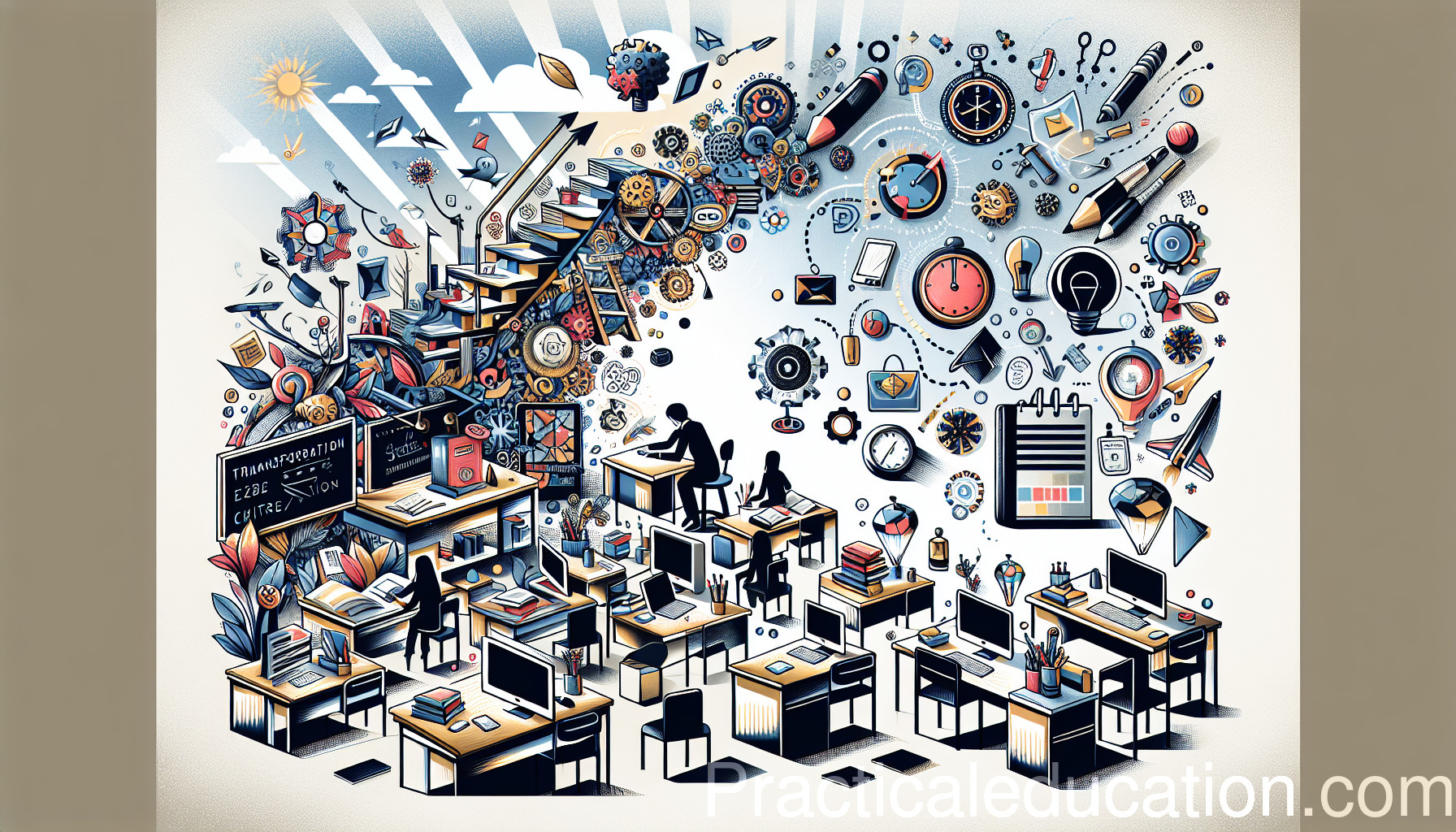
The new pillars: Learn by building. Teach through collaboration. Graduate with assets, not just memories. Dismantle the hierarchy between “academic” and “practical.” Abolish useless subjects. Blend arts, AI, business, law, science, humanity, and purpose into one living framework. Every institution must be audited for irrelevance and rebuilt with interdisciplinary, economically-empowering intent.
104.A New Education Constitution
The prevailing model of education, rooted in memorization and obedience, has fostered an environment where knowledge serves primarily as a credential rather than a tool for empowerment.
This system has become increasingly misaligned with the demands of modern society, wherein practical skills and real-world applications hold greater value than the accumulation of abstract knowledge.
A recalibration towards a new educational framework—one that prioritizes tangible outcomes over rote memorization—is essential for fostering a generation that is not only informed but also proficient, autonomous, and successful in a complex global landscape.
The first step in dismantling the traditional educational paradigm lies in redefining learning objectives.
Instead of measuring success through standardized tests and grade point averages, education must pivot towards an outcome-focused approach that emphasizes learning by doing.
Students should engage in projects that require them to apply knowledge in practical contexts, leading not just to understanding but also to ownership of their learning experience.
In such a model, knowledge acquisition occurs in tandem with skill development, where students learn by building real products, solutions, or services that address genuine needs within their communities.
This shift emphasizes application rather than retention, ensuring that learning is both relevant and actionable.
Collaboration forms the second pillar of this new educational constitution.
The outdated model emphasizes competition and individual achievement, which stifles creativity and innovation.
In contrast, a collaborative framework fosters an environment where students learn from each other and work together to solve complex problems.
This can take the form of interdisciplinary projects that meld arts, science, business, and humanities into cohesive learning experiences.
By breaking down the barriers between academic disciplines, students acquire a holistic view of knowledge and are better prepared to navigate the interconnected challenges of the real world.
Collaborative learning environments can also cultivate essential soft skills such as communication, teamwork, and adaptability, which are crucial for immediate entry into the workforce or entrepreneurial ventures.
Graduation in this new educational paradigm should not merely result in the conferral of diplomas; it must signify the acquisition of valuable assets.
Students must graduate with not just theoretical knowledge but with practical, portfolio-ready work that demonstrates their capabilities to potential employers or clients.
This means restructuring curricula to include internships, apprenticeships, and capstone projects that are client or community-driven.
Each student’s portfolio should be a testament to their learning journey, showcasing tangible outcomes that add real-world value.
By aligning graduation requirements with market needs, educational institutions can ensure that students are not only graduates but also contributors to economic growth and innovation.
The hierarchy that distinguishes "academic" from "practical" must be abolished.
This distinction serves no purpose other than to create barriers to knowledge and skill acquisition.
By integrating theoretical learning with practical application, students engage with their education on a deeper level.
For instance, understanding the principles of law can occur alongside active negotiation simulations or legal practice experiences.
Science can become an active exploration rather than a passive absorption of facts through laboratory experiments that challenge students to hypothesize and test real-world phenomena.
Such integration removes the stigma associated with vocational learning, thereby encouraging a broader appreciation for all forms of knowledge and skill.
In light of today's rapid technological advancements, it is imperative that educational institutions audit their offerings for relevance and economic empowerment.
The rapid pace of change in fields such as artificial intelligence, biotechnology, and sustainable development necessitates that curricula evolve continuously to include emerging disciplines and the skills required to engage with them.
This dynamic approach to curriculum design ensures that education does not become static but instead remains a living framework that adapts to the needs of society and the economy.
Such audits must assess not only the subjects taught but also the methodologies employed, seeking to prioritize experiential learning opportunities that produce real-world skills.
Moreover, the integration of a global mindset into the educational framework is essential.
Tomorrow's leaders will operate in a highly interconnected world where cultural fluency and empathy are paramount.
Therefore, a curriculum designed with global relevance must include diverse perspectives and encourage students to examine problems through various lenses.
This could mean exploring case studies from different cultures, engaging in virtual exchanges with peers across the globe, or incorporating lessons that emphasize social responsibility and ethical leadership.
Education must produce not just competent professionals but also informed global citizens who understand the implications of their decisions on local and global scales.
The reimagined educational constitution must be established on the principle of lifelong learning—a recognition that education extends beyond the classroom.
Institutions should foster an ethos of continuous professional development for both students and educators.
This includes creating pathways for alumni to engage with current students, enabling mutual growth and knowledge exchange.
In essence, education should become a community endeavor that extends far beyond formal schooling, enriching lives through ongoing collaboration and innovation.
For this vision to be realized, educators, administrators, and policymakers must engage in thoughtful dialogue about the systemic changes required.
This involves reassessing funding models, reimagining assessment performance, and embracing technology that facilitates new forms of learning.
The objective is to create environments that affirm student agency, allowing learners to dictate the course of their education while providing them with the tools necessary for success in a multifaceted world.
The proposal for a new educational constitution serves not merely as an idea, but as a necessary evolution of how we conceive of knowledge and its purpose in society.
By emphasizing practical, collaborative, and outcome-oriented learning, we can foster a generation that is well-equipped to tackle the challenges of the future.
Education must empower students to become not just consumers of information but architects of their futures, capable of creating value and contributing meaningfully to society.
"The future of education demands that we no longer teach to the test, but teach to the talent." — Eric Bach.