Life Skills Are Not Electives
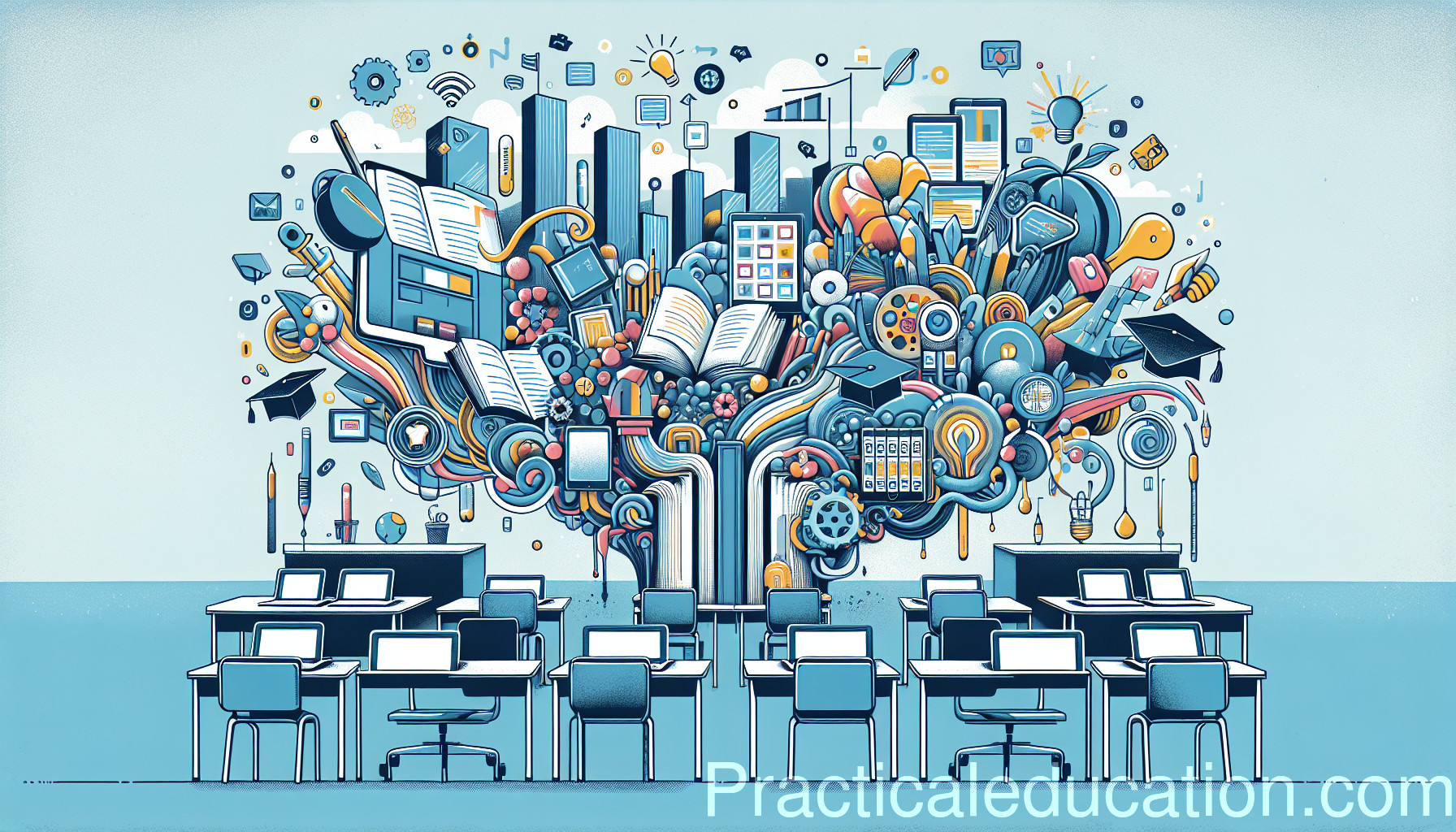
Time management. Mental health. Negotiation. Collaboration. Cooking. Repairing. Loving. Leading. These are not “extras”—they are essentials. Education must stop treating life as an extracurricular.
In traditional educational models, a distinctly rigid separation exists between academic subjects and practical life skills, the latter often relegated to the status of electives or afterthoughts.This paradigm fosters a misconception that life skills are supplementary rather than foundational.
As we advance further into a world marked by rapid technological transformation and evolving economic landscapes, it becomes increasingly evident that the ability to master life skills such as time management, mental health awareness, negotiation, collaboration, and even essential domestic capacities like cooking and repairing are not just beneficial but imperative to personal and professional efficacy.
Consequently, education systems must evolve to embrace these competencies as core elements of the curriculum rather than isolated options.
The conventional model of education presumes a linear trajectory: knowledge is to be learned, tested, and ultimately graded.
This approach not only enforces a narrow understanding of intelligence but also fosters an aptitude for compliance rather than creativity and autonomy.
This rigid structure tends to undermine the importance of life skills, which have direct applications in the workforce and personal life.
By contrast, an educational framework that prioritizes the cultivation of these skills offers a comprehensive preparation for real-world challenges faced in professional and personal realms alike.
Thus, incorporating life skills into the core curriculum can radically transform educational experiences from passive absorption to active engagement.
Consider time management, a skill that influences nearly every aspect of adult life.
A curriculum that embeds time management training can equip students with the ability to prioritize, plan, and execute tasks efficiently.
Recognizing the implications of procrastination, deadlines, and work-life balance are fundamental to operating effectively in a globalized, competitive economy.
By offering structured learning experiences around this topic, educational institutions can foster a generation of individuals who not only understand theoretical concepts but can also apply practical organizational strategies.
Moreover, mental health education must be treated as a fundamental component of the curriculum, rather than an adjunct resource.
With growing awareness of mental health issues, particularly among younger populations, it is evident that equipping students with the tools to recognize and manage their mental well-being is crucial.
This involves not only fostering resilience and self-awareness but also offering practical skills for identifying symptoms and seeking appropriate support.
Such knowledge empowers students to navigate personal challenges and the complexities of social interactions fluently, reinforcing their ability to thrive in various contexts.
Incorporating negotiation and collaboration skills into the curriculum addresses the reality that most professional settings demand effective communication and teamwork.
By teaching students to negotiate and collaborate, educational institutions can prepare them not only to advocate for their own needs but also to appreciate diverse perspectives and arrive at mutually beneficial conclusions.
This promotes an understanding of interpersonal dynamics that is increasingly necessary in a diverse workforce and a globally interconnected society.
Practical skills such as cooking and repairing are often considered basic competencies, yet they are indispensable for fostering autonomy.
By integrating these lessons into the core curriculum, we equip students with self-sufficiency and the ability to engage with their immediate environment practically.
For instance, cooking classes can impart nutritional knowledge and culinary skills that can have lifelong health implications, while lessons in repair—be it mechanical or digital—can foster innovation and problem-solving abilities.
In an era where sustainability is paramount, understanding how to repair rather than replace can also promote resourcefulness.
Redefining life skills as essential elements of education calls for a restructuring of the current curriculum design.
Educational institutions must shift away from the traditional compartmentalized approach and adopt a holistic model that interweaves life skills within academic subjects.
This integrative context ensures that students see the relevance of their learning in real-life situations.
For example, a mathematics class could incorporate budgeting exercises that require students to allocate finite resources across various needs, thereby coupling theoretical knowledge with practical application.
Such cross-disciplinary approaches not only enhance engagement but also nurture critical thinking, creativity, and adaptability among students.
The implications for institutional design extend to the very architecture of educational spaces and the profiles of educators themselves.
Schools should be designed to facilitate collaboration, with flexible spaces that support group work, projects, and communal activities.
An emphasis on experiential learning environments, where students can actively participate in problem-solving and skill development, will further underline the importance of real-world applications.
Educators, therefore, must be equipped not only with subject matter expertise but also with practical experience in the skills they teach.
Professional development must prioritize fostering facilitators who can bridge theoretical knowledge with practical application, embodying a model of lifelong learning.
Adopting a global perspective is crucial in reshaping education towards the inclusion of life skills.
Countries around the world face unique cultural, economic, and geopolitical challenges that influence their educational priorities.
By learning from diverse educational practices and emphasizing adaptability, curricula can be designed to not only address local contexts but also to prepare students for engagement in a global society.
Eastern educational philosophies, which often emphasize communal well-being and holistic development, can integrate seamlessly with Western entrepreneurial frameworks to create well-rounded individuals capable of navigating complex realities.
In conclusion, the integration of life skills into education systems represents a fundamental shift in the way we conceive of learning.
It dismantles outdated myths regarding the hierarchy of knowledge and promotes a practical, student-centered approach that prepares individuals for the realities of life beyond the classroom.
Life skills are not extracurricular—they are essential.
As we move forward, it becomes imperative that educational frameworks reflect this understanding, crafting environments that stimulate ownership, income, autonomy, and mastery for all students.
“Education must cultivate ability rather than compliance.” (Eric Bach)