Teaching to the Test, Failing the World
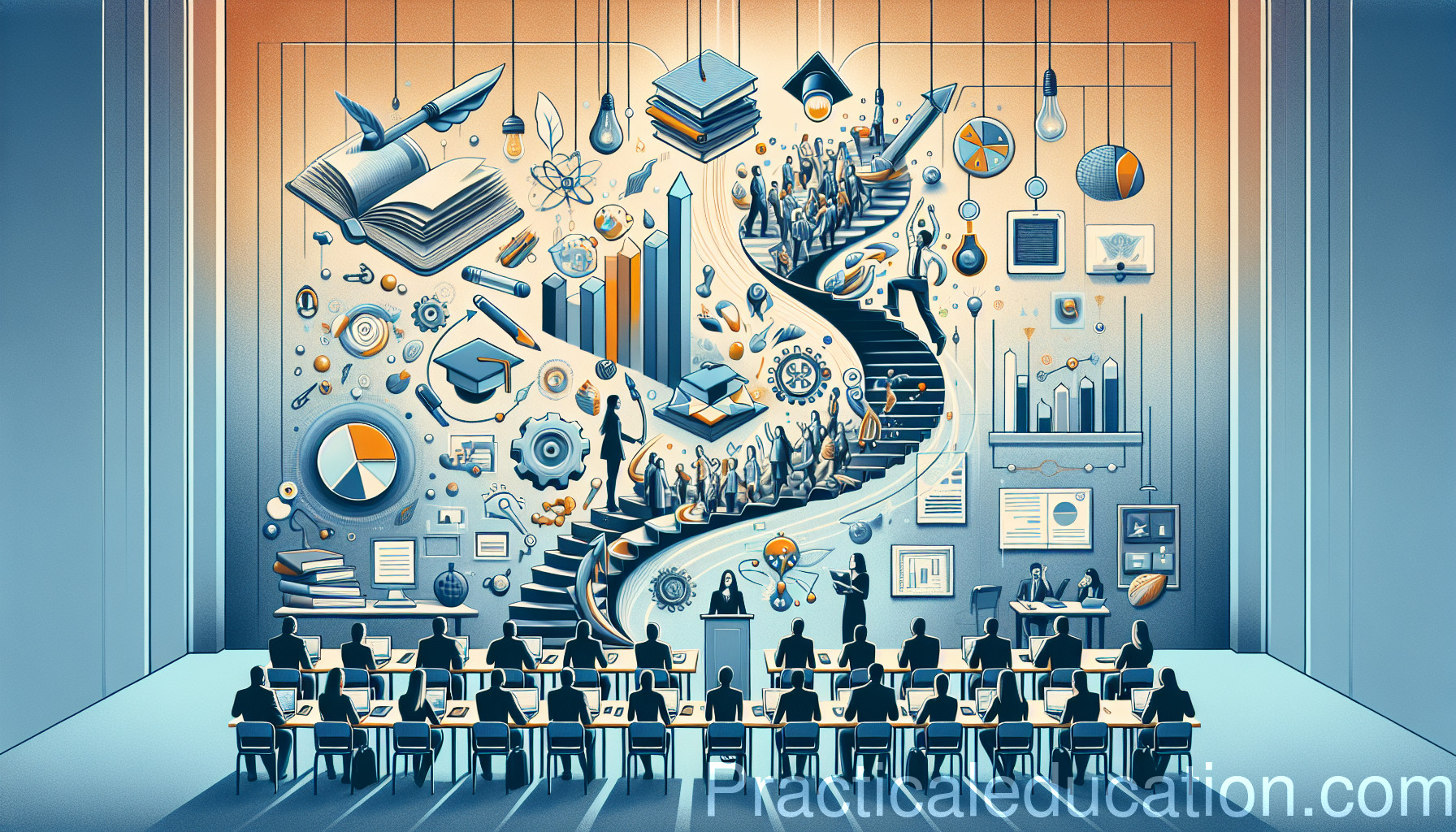
“Will this be on the test?” is the most asked question in school. That tells you everything. Real life doesn’t care about test scores. Real life cares about value, courage, and action. Teach what matters—or get out of the way.
“Will this be on the test?” is not just a question; it is an indictment of the current educational paradigm that prioritizes status over substance.This question reflects a pervasive attitude within traditional educational systems, where learning is often equated with rote memorization, standardized assessments, and compliance with a narrow definition of success.
In a world rapidly changing due to technological advances and global shifts, the relevance of testing as a measure of educational success is increasingly questionable.
Real-world competencies—value creation, problem-solving, and the ability to navigate ambiguity—are evident in everyday interactions and business environments but remain largely unmeasured by conventional education metrics.
This chapter argues for a radical reconfiguration of educational frameworks to align with real-life demands and opportunities, moving towards a model of learning that emphasizes ownership, income, autonomy, and mastery.
To dismantle the myth that education must be evaluative, we must recognize that the primary objective should not be the acquisition of grades but rather the cultivation of transferable skills and knowledge that empower students to thrive in diverse contexts.
The traditional emphasis on standardized testing has, paradoxically, disincentivized critical thinking, creativity, and entrepreneurship.
Instead of preparing learners for the complexities of the workforce or the dynamism of global citizenship, educational institutions often produce graduates who are adept at answering predictable questions but ill-equipped for unpredictable challenges.
The focus on testing, therefore, constricts intellectual engagement and encourages a compliance-based approach to learning.
In developing a new curriculum model, educational institutions must shift focus from test-centric pedagogy towards competency-based education that prioritizes practical skills and real-world applications.
This includes integrating problem-based learning, experiential opportunities, and project-based assessments as core components of the learning process.
For instance, incorporating internships and practical projects into the curriculum allows students to apply their theoretical knowledge in tangible ways, attracting synergy between academic learning and industry expectations.
Educational institutions should pursue partnerships with local businesses and communities to create learning environments that simulate real-life scenarios, ensuring that students can translate their academic experiences into viable career opportunities.
Moreover, this proposed model emphasizes the importance of student agency in the learning process.
Students should be empowered to define their learning objectives and engage in self-directed projects that reflect their interests and aspirations.
A student-driven curriculum promotes intrinsic motivation and autonomy, encouraging learners to take ownership of their education.
By facilitating environments where students can explore their passions, develop critical skills, and create meaningful solutions, we can foster a generation of learners who are not only knowledgeable but also equipped to innovate and lead.
In addition, the implications of this curriculum reform extend beyond individual educational institutions; they suggest a rethinking of educational governance and policy frameworks.
Policymakers must advocate for dismantling harmful testing regimes and promote policies that support holistic educational practices.
This includes the development of assessment methods that recognize student growth in various dimensions—social, emotional, and cognitive—rather than solely on measured knowledge outcomes.
Global collaboration among educational entities can lead to a shared understanding of essential competencies across cultures that support a comprehensive approach to student assessment.
Furthermore, while this chapter emphasizes the need for a local focus in education, it is equally critical to promote a globally minded educational experience.
The intersection of Western entrepreneurial methods with Eastern traditions of depth and logic offers a rich soil for cultivating adaptable learners.
Educational practices can benefit from integrating Eastern philosophies that prioritize lifelong learning, resilience, and the wisdom found in community-oriented approaches.
Schools can encourage cross-cultural exchanges that expose students to diverse perspectives and methodologies, thereby enhancing global collaborative skills and empathy.
Considering these broad implications, educational institutions can no longer afford to isolate themselves from the realities of the wider world.
Students must be prepared not just for college or careers, but for an ecosystem characterized by rapid change and unpredictable shifts.
Learning pathways should thus emphasize continuous skill development, with curricula designed to evolve in tandem with technological advances and societal transformations.
In this proposed framework, learning becomes synonymous with personal and professional development.
Schools must assist students in recognizing their potential to contribute effectively to society and the economy, fostering a mindset that values action over compliance.
Graduates who emerge from such environments are likely to possess the requisite skills and mindset necessary for entrepreneurial ventures, proactive community engagement, and innovative problem-solving in varied spheres.
In conclusion, the educational landscape must transition from an archaic focus on testing to a holistic model embracing practical learning that aligns with real-world requirements.
The path from the classroom to ownership, income, and mastery depends on the proactive redesign of curricula that prioritize real-life applications over theoretical constructs.
Operating with this mindset will prepare our students not only to survive but to excel in an increasingly complex and interconnected world.
“Teach what matters—or get out of the way.” — Eric Bach