Smart ≠ Successful
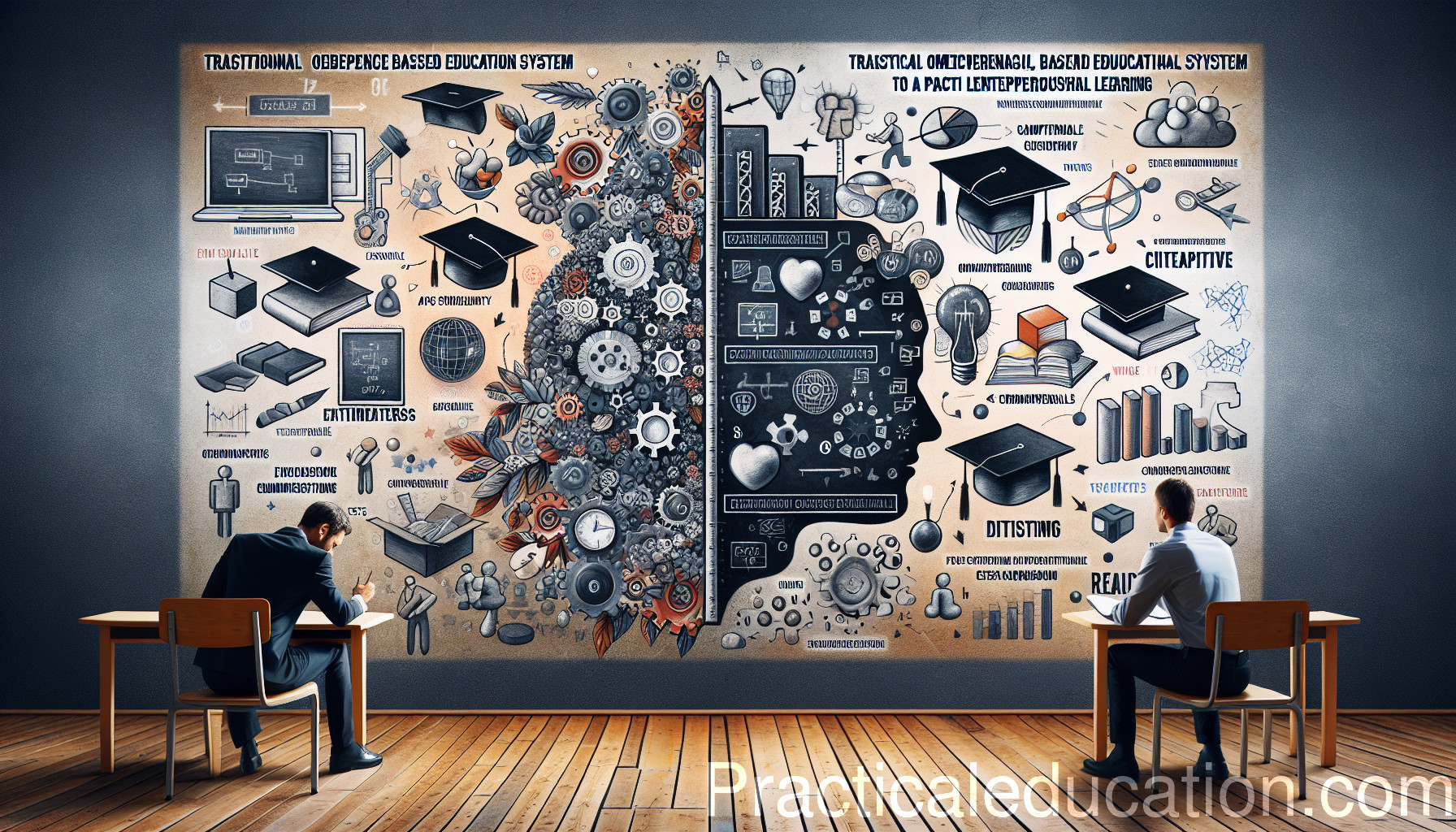
Some of the smartest minds in history dropped out. Not because they weren’t smart—but because school couldn’t keep up. We worship grades, but the world runs on grit, vision, and execution. Education must align with success—not just measurement.
In contemporary discourse on education, the emphasis has largely remained on grades, standardized testing, and credentialing—criteria built within a traditional framework that equates academic success with intelligence.However, an analysis of historical achievers reveals a fundamental discrepancy: many of the most influential individuals—scientists, entrepreneurs, and artists—disassociated themselves from formal education systems precisely because these systems could not accommodate their unique visions or diverse capabilities.
This disconnection raises critical questions about the effectiveness of our educational paradigms and the underlying myth that intelligence, as traditionally measured, is synonymous with future success.
The prevailing educational model—characterized by rote memorization, compliance, and a standardized curriculum—fails to prepare learners for the dynamic realities of modern economies and societal demands.
It often prioritizes the regurgitation of information rather than the application of knowledge in tangible, real-world scenarios.
This philosophy not only risks stifling creativity and innovation among students but also exacerbates socioeconomic disparities where underprivileged students are left even further behind.
Access to meaningful opportunities for personal and professional development becomes a privilege rather than a standard of education, ultimately leaving many learners in a state of disillusionment with their academic experiences.
In contrast, a course of education that is oriented towards practical, profitable, and student-driven learning presents a more viable solution to the challenges faced by contemporary society.
Such an approach prioritizes skills acquisition over mere knowledge acquisition, equipping learners with competencies that are directly transferable to the labor market and entrepreneurial endeavors.
Curriculum design should pivot towards integrating experiential learning, whereby students engage with real-world projects, internships, and co-ops that foster critical thinking, problem-solving, and the ability to adapt to varying circumstances.
By linking educational outcomes to practical experience, we redefine the relationship between academia and the workforce, ultimately fostering a generation of learners who are not just knowledgeable, but also capable of thriving in complex environments.
The implications of this shift are multifaceted.
Educational institutions must re-evaluate their structures and objectives, moving beyond traditional metrics of success to embrace a framework that values entrepreneurial spirit, innovation, and resilience.
Institutions should facilitate collaborative projects that encourage students to take ownership of their learning journey while working on tangible solutions that address local, national, or global challenges.
The role of educators will thus transition to that of facilitators and mentors, guiding students through experiential learning pathways and nurturing a learning environment that encourages inquiry and exploration.
This evolution aligns with a global mindset recognized across various cultural, economic, and geopolitical contexts.
The need for education systems that are responsive to local demands while fostering a global perspective is paramount.
For instance, by integrating Eastern methodologies, which emphasize depth of understanding and collective knowledge, with the Western emphasis on execution and individual achievement, educational reformers can develop holistic curricula that promote a balance of critical thinking and practical application.
This could take shape in the form of cross-border collaborations where students from various backgrounds work together on projects that address universal challenges—such as climate change, social justice, or public health—preparing them to engage in the global marketplace meaningfully and ethically.
In terms of curriculum design, educational leaders must prioritize agility and adaptability.
Courses should not only evolve alongside technological advancements and labor market shifts but also encourage students to channel their passions and curiosities into actionable ventures.
Project-based learning can be further enhanced through partnerships with businesses and community organizations that can provide platforms for students to test their ideas in real time, obtaining valuable feedback and insights.
Such partnerships not only enrich the educational experience but also build a bridge between academia and the professional world, fostering a culture of lifelong learning and continuous improvement.
The student experience should shift from one of passive consumption of knowledge to active engagement with ideas that empower learners to take concrete actions.
By providing tools and resources that facilitate self-directed learning and entrepreneurship, educators can inspire students to take initiative and assume leadership roles.
This approach demystifies the path to success, illustrating that achievement is within reach for those who are willing to harness their skills, work ethic, and vision, rather than merely conforming to existing norms.
Moving towards this model necessitates a collective reassessment of our values regarding education and success.
The prioritization of intellectual capabilities over intrinsic motivation, creative thinking, and practical execution must be dismantled.
By redefining success to encompass a broader array of competencies—emphasizing grit, adaptability, and the ability to innovate—educational frameworks can align more closely with the complexities of the modern world and the evolving nature of work.
In conclusion, the traditional view that equates academic success with intelligence overlooks pivotal qualities necessary for thriving in an unpredictable landscape.
Smart does not inherently translate to successful; in fact, the path to achievement often requires a combination of initiative, resilience, and practical skill development.
Education must evolve to reinforce this principle, preparing learners not just for exams but for real-world challenges that demand creativity, critical thinking, and entrepreneurship.
As we move forward, the call to action is clear: we must foster educational ecosystems that equip individuals with the tools to not only imagine their future but to actively shape it.
"Intelligence is not the precursor to success; the ability to learn from experience, adapt, and take decisive action is." — Eric Bach.