Bureaucrats Over Brilliance
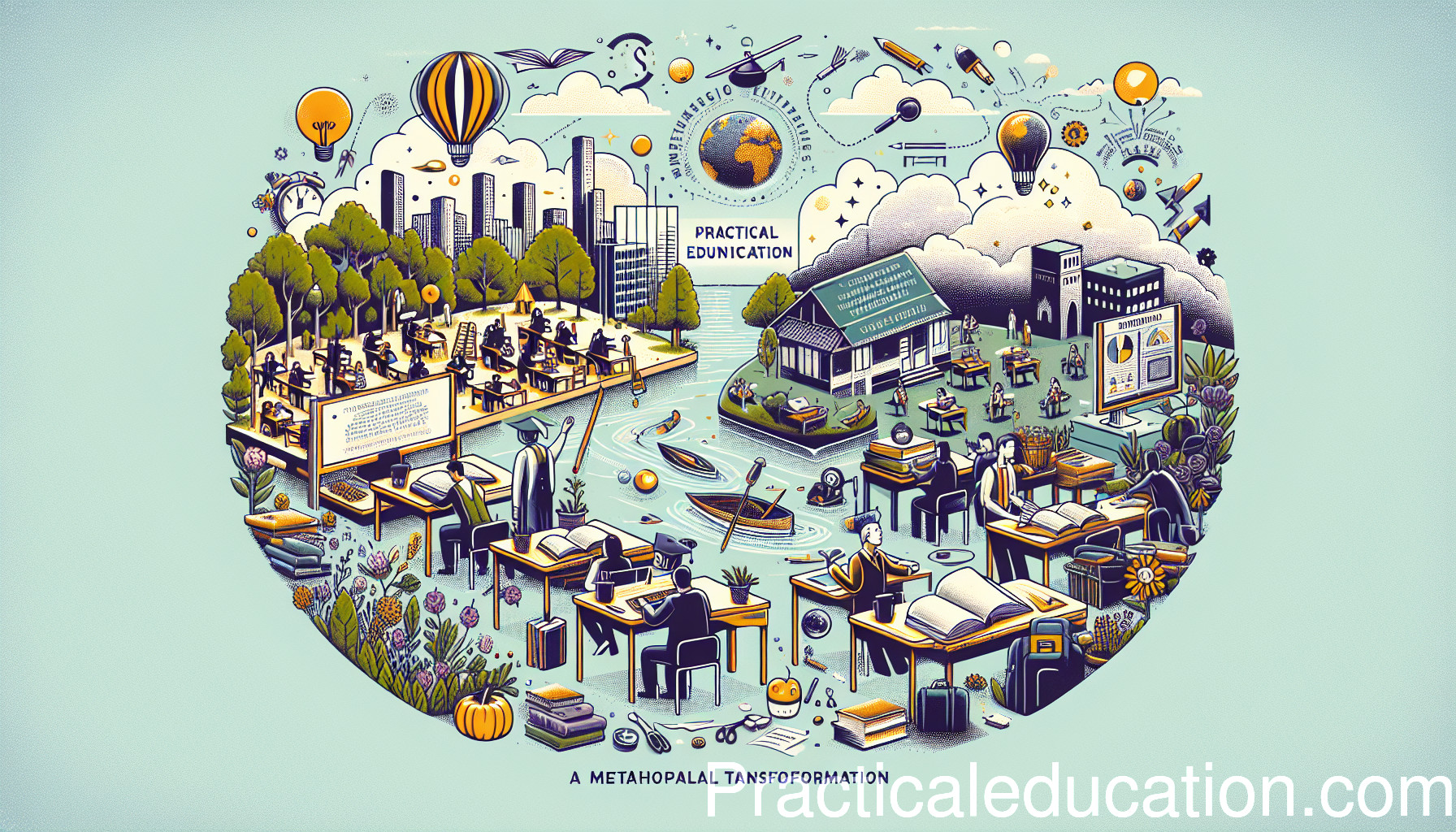
Education is run by committees, not creators. Bureaucrats make decisions that destroy teacher autonomy and student potential. Brilliance is suffocated by endless forms, permissions, and politics. We need a transfer of power—from administrators to innovators.
Education systems globally have been historically structured around bureaucratic frameworks that prioritize conformity, oversight, and standardization over creativity, innovation, and individualized student experiences.This chapter critically examines how bureaucratic structures stifle both educators and learners, proposing a radical shift towards a model that empowers individuals to take ownership of their learning journeys.
It argues for the decentralization of educational authority, enabling teachers to become innovators rather than mere implementers of policy, while allowing students to engage with the world through practical, real-world experiences.
Traditionally, educational institutions operate as large bureaucracies, often resembling government agencies more than creative environments.
Decisions about curriculum design, teaching methods, and assessment strategies are typically made by committees composed of administrators rather than front-line educators or industry experts.
This hierarchical model ensures that educational approaches are uniform, limiting the ability to adapt to the diverse needs and contexts of students.
The centralization of authority leads to bureaucratic practices that prioritize compliance over creativity, resulting in a stifling environment where innovation struggles to survive.
A shift is required to dismantle these bureaucracies and foster a landscape of creativity and autonomy.
Granting more autonomy and power to educators can profoundly transform the educational experience.
Teachers, as the closest observers of their students' learning processes, are in a unique position to identify effective strategies and innovative practices that resonate with their students.
When teachers are liberated from the constraints of overly prescriptive policies, they can tailor their curriculum to engage students based on their interests, talents, and the demands of the real world.
Empowering educators to experiment, collaborate, and innovate fosters a dynamic classroom environment where brilliance can flourish.
Simultaneously, the transfer of power must extend to students, allowing them to take an active role in shaping their educational experiences.
When students are encouraged to exercise agency over what they learn and how they learn, they become co-creators of knowledge rather than passive recipients.
This shift not only enhances motivation but also promotes critical thinking, problem-solving skills, and adaptability—attributes essential in a rapidly changing global landscape.
Curriculum designed with student agency at its core encourages exploration of real-world challenges and fosters a mindset that values continuous learning and practical application.
Curriculum design must reflect a commitment to practical, student-driven learning.
This necessitates moving away from standardized testing and memorization-focused assessments towards authentic evaluations of skills and competencies.
Practical assessments can include project-based learning, collaborative work, and community involvement, which allow students to demonstrate their abilities in contexts that mirror the skills required in the workforce.
Establishing partnerships with local businesses and organizations can further strengthen this approach, integrating community resources into the learning process and providing students with opportunities for internships and hands-on experiences.
The implications for educational institutions are profound.
Schools should reevaluate their structures, moving towards decentralized governance models that prioritize local decision-making.
This restructuring of authority can facilitate innovation by encouraging experimentation with different methodologies, curricula, and pedagogical approaches geared towards real-world applicability.
Moreover, institutions must recognize the importance of fostering a culture of feedback and collaboration among educators—one that promotes professional development as a continuous, integrated aspect of teaching and learning.
By valuing the voices of all stakeholders in the educational process, institutions can create an ecosystem that supports the growth of both students and teachers.
On a global scale, the model of education must adapt to reflect diverse cultural, economic, and geopolitical contexts.
The intersection of Western entrepreneurial spirit and Eastern philosophical depth offers a unique lens through which to design an educational framework that emphasizes practical wisdom and adaptability.
Education systems around the world must look beyond rigid curricular requirements and standardized metrics, focusing on personalized learning experiences that cultivate global competencies.
This approach speaks not only to the local relevance of education but also prepares students for a world that is increasingly interconnected yet diverse.
Furthermore, embracing technology can serve as a catalyst for this transformation.
Digital tools can facilitate self-directed learning, enabling students to access resources, collaborate with peers globally, and engage in inquiry-based projects.
Education technology can democratize learning by providing avenues for personalized instruction and real-time feedback, thus catering to individual learning paces and styles.
By integrating technology thoughtfully into the learning process, educational institutions can enhance the student experience and eliminate barriers to acquiring critical skills necessary for success in the modern economy.
In conclusion, dismantling the bureaucratic structures that currently dominate education will require a concerted effort towards empowering teachers and students.
By prioritizing creative autonomy and practical, real-world skill-building, we can redefine what it means to be educated in the 21st century.
It is time to recognize that the true potential of educational institutions lies not in rigid adherence to outdated norms, but in their ability to adapt and innovate.
“Empowering brilliance in education demands dismantling bureaucracy; only then can creativity flourish.” — Eric Bach