The System That Buried a Cure
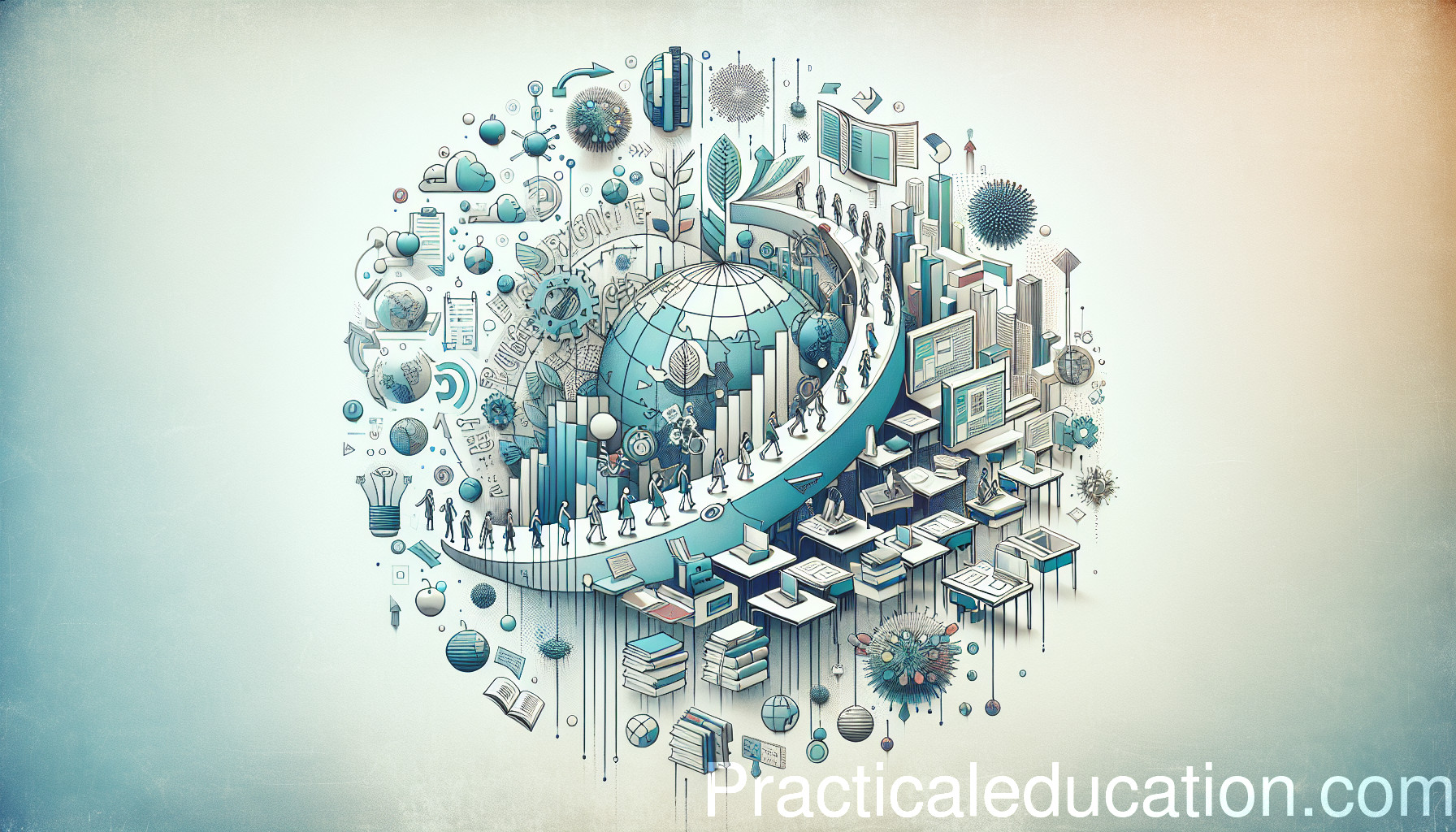
Somewhere, there’s a student who could cure cancer—but they were ignored because they failed math. Their gift didn’t fit the rubric. Their mind was too wide for the system’s narrow halls. Education must find and feed genius—not crush it for not complying.
The System That Buried a CureSomewhere, there is a student with the potential to revolutionize medicine, perhaps even cure cancer, whose abilities were overshadowed by an academic system fixated on standardized testing and rote memorization.
This scenario is not merely hypothetical; it exemplifies a profound flaw within traditional educational paradigms.
The obsession with compliance and conformity ultimately stifles creative and critical thinking, pushing students away from their innate genius.
The conventional model of schooling, grounded in memorization and empty credentials, neglects the diversity of intelligence and the multifaceted nature of human capability.
As a result, we fail not only individual learners but also society as a whole, which is deprived of the talent needed to address complex global challenges.
The traditional education system's metrics often prioritize subjects deemed traditionally valuable, typically mathematics and science, while devaluing creative and interdisciplinary approaches.
This narrow approach is particularly problematic because it fails to recognize that innovation frequently arises from the intersection of disparate fields.
For instance, the complexities involved in curing diseases rely not only on scientific acumen but also on understanding human psychology, ethics, and effective communication.
A student excelling in these areas, but lacking in conventional math skills, may possess the unique insights necessary for groundbreaking advancements, yet they find themselves marginalized by an education system that prioritizes quantifiable performance over holistic aptitude.
Reimagining education requires a shift away from a one-size-fits-all model towards a more personalized, student-driven framework that champions real-world application.
Curriculum design should be anchored in practical learning experiences that mirror professional environments and societal needs.
By moving beyond traditional subject boundaries, educational institutions must create interdisciplinary programs that encourage collaborative problem-solving.
This approach allows students to explore their interests and leverage their unique talents, whether in creativity, technology, or social sciences, ultimately leading to a more engaged and capable workforce.
Global learning systems must adapt to recognize the interconnectedness of knowledge and skills across cultural and economic contexts.
The Western framework, often heavily focused on individual achievement, should integrate Eastern philosophies that emphasize community, harmony, and collective well-being.
In this context, educational institutions have the responsibility to foster not only competent professionals but also socially responsible citizens.
Therefore, curriculum must encompass not just entrepreneurial skills that might lead to financial success but also the ethical frameworks that guide their application.
This dual focus on practical skills and ethical considerations prepares students to navigate the complexities of a globalized world, where their decisions can have far-reaching implications.
The student experience must evolve to include opportunities for autonomy and ownership of learning.
When learners have the autonomy to direct their education towards their passions and interests, engagement and retention of knowledge increase significantly.
Incorporating entrepreneurial projects into the curriculum empowers students to take control of their learning processes, allowing them to experiment, fail, and succeed in a structured environment that resembles real-world challenges.
This kind of experiential learning cultivates resilience and adaptability—qualities essential for future success in an unpredictable global landscape.
Moreover, educational institutions should leverage technology to create hybrid learning environments that extend beyond classroom borders.
Online platforms can provide access to a global network of experts and resources, making it feasible for learners to engage with real-world problems in diverse contexts.
Such resources enable students to develop solutions that are not limited by geographical or institutional constraints, fostering a mindset of innovation that is relevant and applicable across various cultural and economic landscapes.
Culturally adaptive learning platforms could further allow educational content to be tailored to fit significant local contexts while embedding universal principles of entrepreneurship, critical thinking, and ethical responsibility.
For this paradigm shift to take place, policymakers and educational leaders must prioritize funding and resources that support innovative practices in curriculum design and teaching methodologies.
It is imperative to invest in training educators who are capable of facilitating this transformation—not just in terms of technical content but also in pedagogical strategies that inspire and motivate diverse learners.
Educational reform must transcend mere rhetoric; it should manifest in actionable policies that dismantle outdated structures hindering the discovery and nurture of individual genius.
The implications of this educational overhaul extend beyond the classroom and into the fabric of society.
By fostering environments where creativity and innovation can thrive, we not only empower individuals to pursue their passions but also catalyze societal advancements that tackle pressing global issues.
Every neglected student represents untapped potential that, if cultivated, could drive significant social progress.
This potential is critical in addressing complex challenges, from healthcare to environmental sustainability.
In conclusion, the call for a radical shift towards an education system that embraces diversity, interdisciplinary learning, and real-world relevance is urgent.
Ignoring even a single student's inherent genius today could mean forfeiting solutions to problems that humanity may struggle to solve in the future.
It is imperative to build a framework that recognizes and nurtures the multifaceted talents of learners, thereby ensuring that instead of burying genius, educational systems illuminate paths for innovation and growth.
"Education should breed ownership and income, not compliance and stagnation." — Eric Bach.