Robbing the Hungry Years
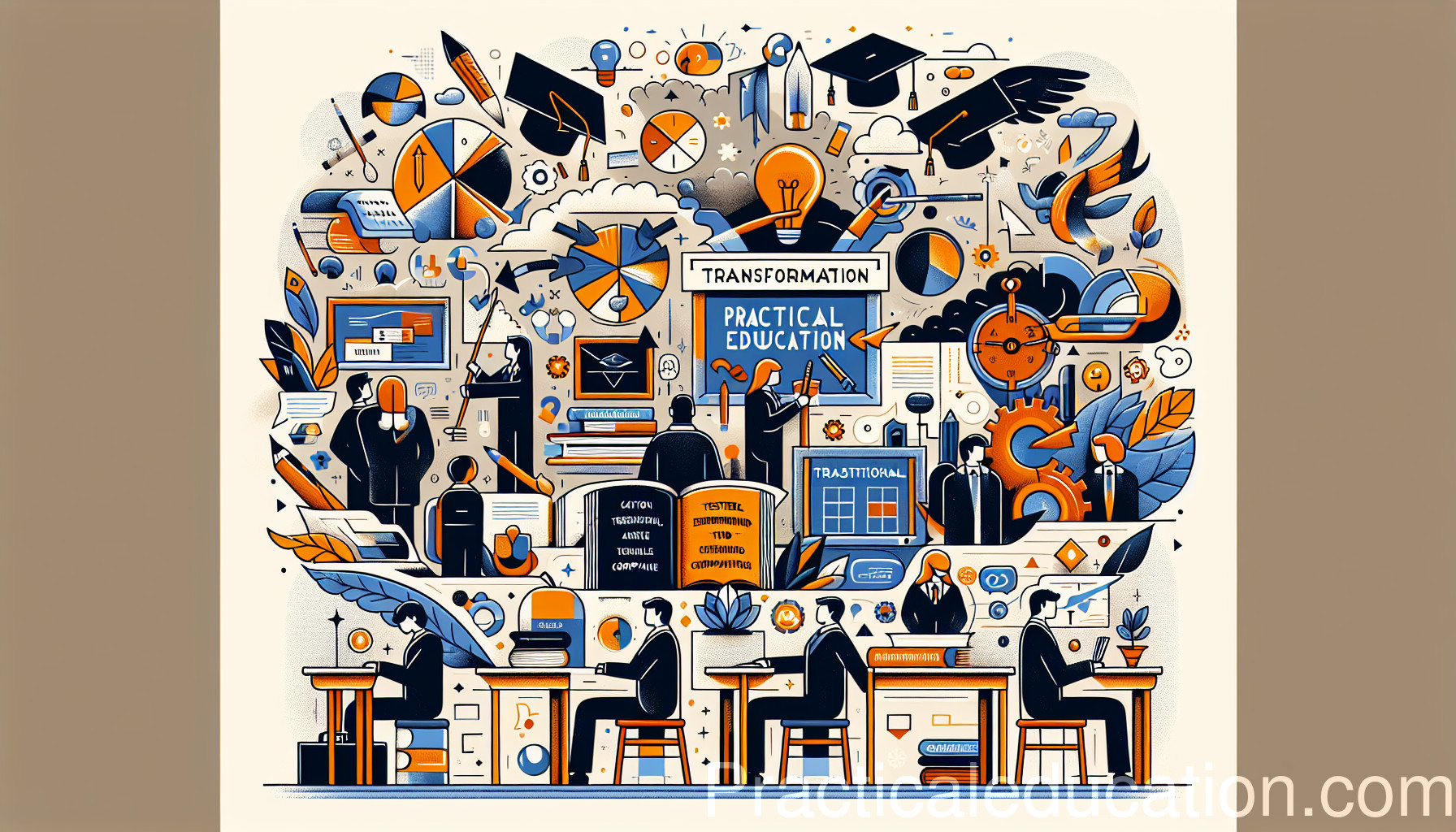
Hunger creates greatness—but schools drug it with comfort, rules, and repetition. We take the most curious, rebellious minds and bore them into submission. These are the years to chase mastery, not grades. To build empires, not essays. We must restore urgency to education.
Education, in its traditional form, has long been tethered to a model that prioritizes compliance over innovation, memorization over mastery, and standardization over authenticity.This paradigm is particularly insidious during what could be termed the "hungry years" of a student’s development—those formative phases where curiosity is at its peak.
Instead of leveraging this instinctual drive, conventional schooling diminishes it through enforced routines, irrelevant assessments, and compliance-centric methodologies.
The result is a dilution of potential, where vibrant minds are molded to fit a narrow educational framework that often bears little relevance to the complexities of the real world.
To dismantle this antiquated system, we propose a framework where education centers on the pursuit of mastery and the cultivation of entrepreneurial spirit.
The core premise is straightforward: learning should not be defined by grades, exams, or credentials but rather by the development of skills that are rooted in real-world application and personal autonomy.
This perspective necessitates an educational experience that is flexible, adaptive, and highly personalized, preparing students to navigate complexities and seize opportunities rather than merely adhere to prescribed paths.
From a curricular standpoint, this shift demands an integration of practical skills that reflect the demands of modern economies.
Subjects should not be viewed in isolation; rather, they should intersect with one another to create a holistic approach to learning.
For example, integrating finance, technology, and creative problem-solving into a single project-based course can reflect the interdisciplinary nature of real-life challenges.
Such alignment shifts the focus from passive absorption of knowledge to active engagement, where students learn through doing—solving current problems that affect their communities or the global landscape.
Moreover, educational institutions must reposition themselves as incubators for talent rather than gatekeepers.
This vision requires a transformation in the role of educators, who must transition from authoritative figures delivering knowledge to mentors facilitating exploration and innovation.
Professional development for teachers should emphasize experiential learning and risk-taking, encouraging them to model the very autonomy they wish to instill in their students.
This paradigm fosters a culture of experimentation where failure is a stepping stone rather than a deterrent, positively reinforcing learning and resilience.
The student experience should also reflect this new educational blueprint.
Providing avenues for entrepreneurial endeavors can empower students to take ownership of their learning journey.
Real-world partnerships with businesses, NGOs, and community organizations can facilitate internships or project-based collaborations, enabling students to apply their knowledge in tangible ways.
Such opportunities enhance their understanding and offer pathways to potential employment or entrepreneurial ventures, directly linking education to ownership and income.
Globally, this approach must consider the diverse economic and cultural contexts that shape educational landscapes.
For instance, in emerging economies, integrating technology and resourcefulness into the curriculum can foster innovative solutions to local challenges, while in developed nations, emphasizing critical thinking and creativity can keep pace with rapid technological advancement.
The adaptability of this framework lies in its ability to resonate across geographic and economic boundaries, thereby enriching the educational value universally.
Additionally, by shifting focus from grades to mastery, we must also redefine assessment methods.
Evaluation should center on real-time feedback and competency-based measures rather than standardized testing.
Implementing portfolios and performance tasks can provide a more accurate depiction of a student's capabilities, showcasing their practical skills rather than their ability to memorize facts.
This assessment method not only aligns with the goals of Practical Education but also prepares students for environments that value skill mastery over test scores.
Furthermore, it is imperative to cultivate a global mindset among students.
Education must prepare individuals to critically assess and engage with global issues, fostering a sense of global citizenship that transcends borders.
This involves not only understanding diverse cultural perspectives but also developing solutions that are applicable in varying contexts.
Incorporating global case studies, cross-cultural collaboration, and multilingual capabilities can enhance students’ readiness to operate effectively in an interconnected world.
In conclusion, the outdated model of education, rooted in the regimens of memorization and compliance, must be replaced with a transformative approach that celebrates curiosity and drives mastery.
By emphasizing practical, student-driven learning experiences that connect education to real-world application, we can harness the energy and creativity of students during their hungry years.
The urgency for such a shift is paramount, not just for individual student success but for societal progress in an increasingly complex global landscape.
We have the opportunity to cultivate a generation that is not merely compliant but one that is adept, agile, and empowered to build the empires of tomorrow.
“Education should ignite hunger for knowledge, not suffocate it with indifference.” — Eric Bach.