The Culture of Can’t
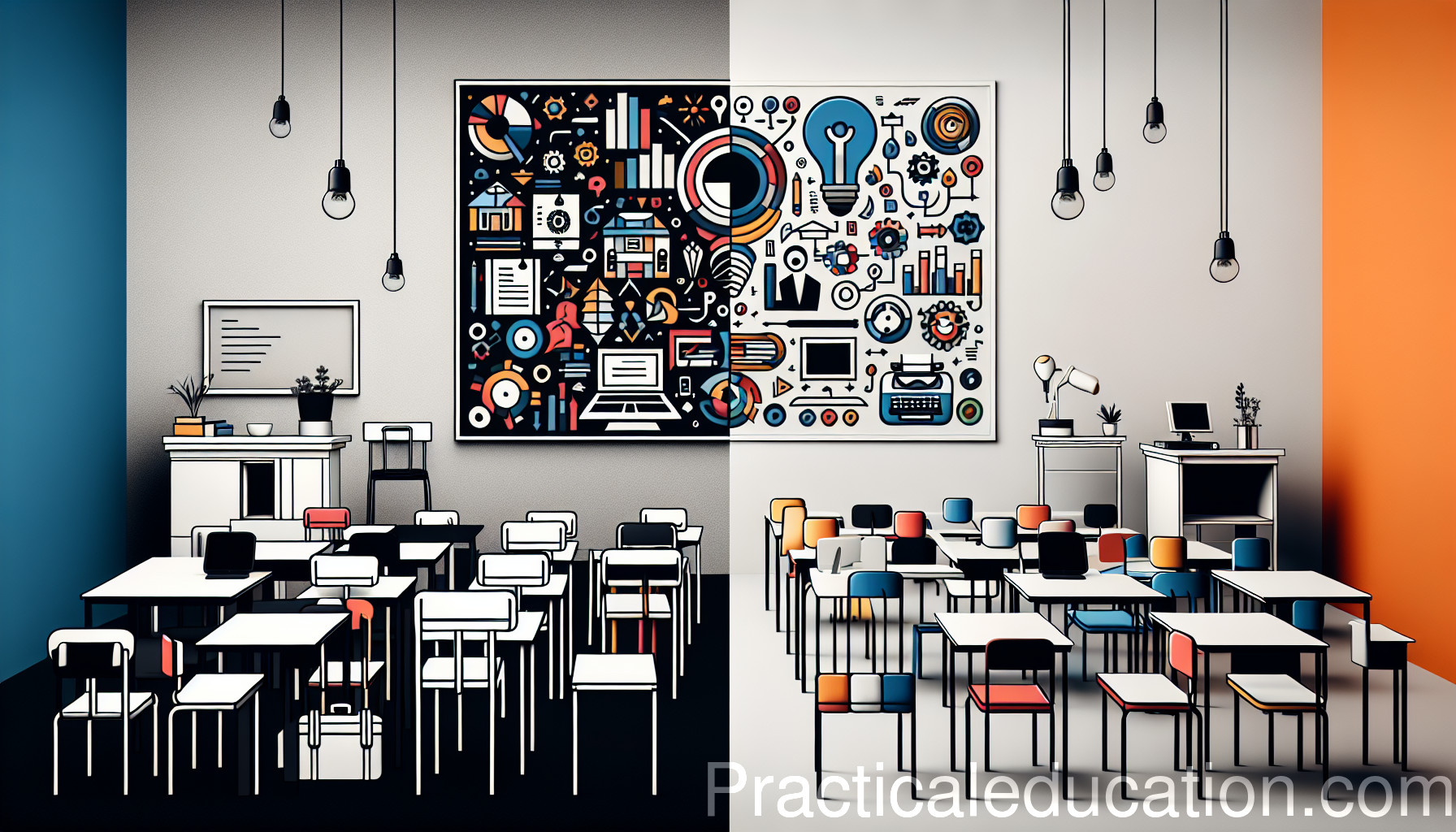
Every dream in a child gets shut down with a single word: “Can’t.” You can’t skip ahead. You can’t start now. You can’t do that here. The system trains limits into limitless minds. It’s time to flip the culture. Say yes—and build systems that make it possible.
The educational landscape has long been dominated by a culture of “can’t.” This limiting mindset, which permeates traditional academic institutions, creates barriers that inhibit creativity, problem-solving, and the exploration of one’s potential.Students are often told what they cannot do—what they cannot study, what they cannot pursue, and what is beyond their capabilities.
This culture of restriction shapes their attitudes toward learning and self-efficacy, ultimately stunting their growth in both personal and professional realms.
To significantly transform education and empower learners, it is essential to dismantle this entrenched culture and nurture a system that not only recognizes but actively fosters the capacities and ambitions of every student.
The dichotomy between a culture of can’t and one of possibility centers on how we define and design educational experiences.
Traditional models prioritize compliance and conformity over creativity and individual agency.
Students are taught to memorize and regurgitate information rather than engage with concepts critically or apply knowledge in practical situations.
In contrast, a reformed education system should be rooted in exploration, innovation, and real-world application.
By shifting the paradigm from memorization and testing to hands-on learning and entrepreneurial thinking, we can instill confidence in students and encourage them to embrace challenges, rather than shy away from them.
Curriculum design must reflect this new approach, focusing on practical skills and competencies that directly connect with real-world applications.
Instead of teaching in isolation, subjects should be integrated, allowing students to see the connections between different disciplines.
For instance, a project may require skills from engineering, business acumen, and communication, challenging students to approach problems from multiple angles and develop holistic solutions.
Such interdisciplinary projects place students in the role of active participants in their learning, encouraging them to think critically and creatively, thereby breaking the cycle of “can’t.”
Furthermore, educational institutions must recognize that fostering a culture of possibility requires us to fundamentally alter how we assess learning.
The conventional grades and standardized tests measure compliance, not mastery.
Assessments should be reflective of students' ability to apply their knowledge, think out of the box, and innovate, through real-world projects, peer evaluations, and personal growth metrics.
This not only creates a more accurate representation of a learner’s abilities but also reinforces their ownership of their educational journey.
As we advance toward a more equitable educational framework, we must also attend to the global context in which these ideas will be implemented.
A culture of can’t can manifest differently across diverse cultural, economic, and geopolitical landscapes.
In many developing nations, educational systems prioritize rote memorization due to economic and infrastructural limitations rather than fostering innovative potential.
Localizing a solution is crucial.
Just as Western education systems can benefit from Eastern philosophies that emphasize deep understanding and adaptability, emerging economies can take inspiration from successful entrepreneurial models that prioritize practical skills.
Institutions need to create pathways for students from various backgrounds to engage with their communities and explore entrepreneurial opportunities.
Such initiatives could involve partnerships with local businesses to provide internship opportunities or project-based learning that addresses community needs.
These connections ground students' learning in their realities, making education not just an abstract pursuit but a transformative process that lifts entire communities.
This approach aligns educational aspirations with economic and social needs, shifting the focus from what students cannot do to what they can create and accomplish.
For students, the experience must shift from passive reception to active engagement.
Learning environments that prioritize dialogue, collaboration, and experimentation not only enhance retention but also build critical-thinking skills.
Schools should design programs that encourage peer teaching, mentorship, and collaborative projects, reflecting the interconnected nature of modern workplaces.
In such environments, learners develop confidence and autonomy, ready to embrace opportunities rather than avoid challenges.
Ultimately, the systemic transition away from a culture of can’t is dependent on visionary leadership from educators and policymakers who genuinely understand the needs of students in our evolving world.
An intentional focus on practical education must underpin policy decisions and resource allocations.
Continuous professional development for educators will ensure they have the necessary frameworks to support experiential learning, fostering cultures of possibility within their classrooms.
Furthermore, collaboration among educational institutions, policymakers, and industry leaders will create a feedback loop that informs curriculum and assessment, ensuring relevance in a rapidly changing global landscape.
In conclusion, we must actively flip the narrative surrounding education from prohibition to empowerment.
By dismantling the barriers of the traditional learning model, redefining curricula to prioritize practical knowledge, engaging with diverse perspectives, and creating robust systems of assessment and support, we can cultivate a generation of learners who are confident, innovative, and equipped to navigate the complexities of the modern world.
As Eric Bach aptly put it, “Innovation begins not with resources but with the resolve to create possibilities.”