War on the Polymath
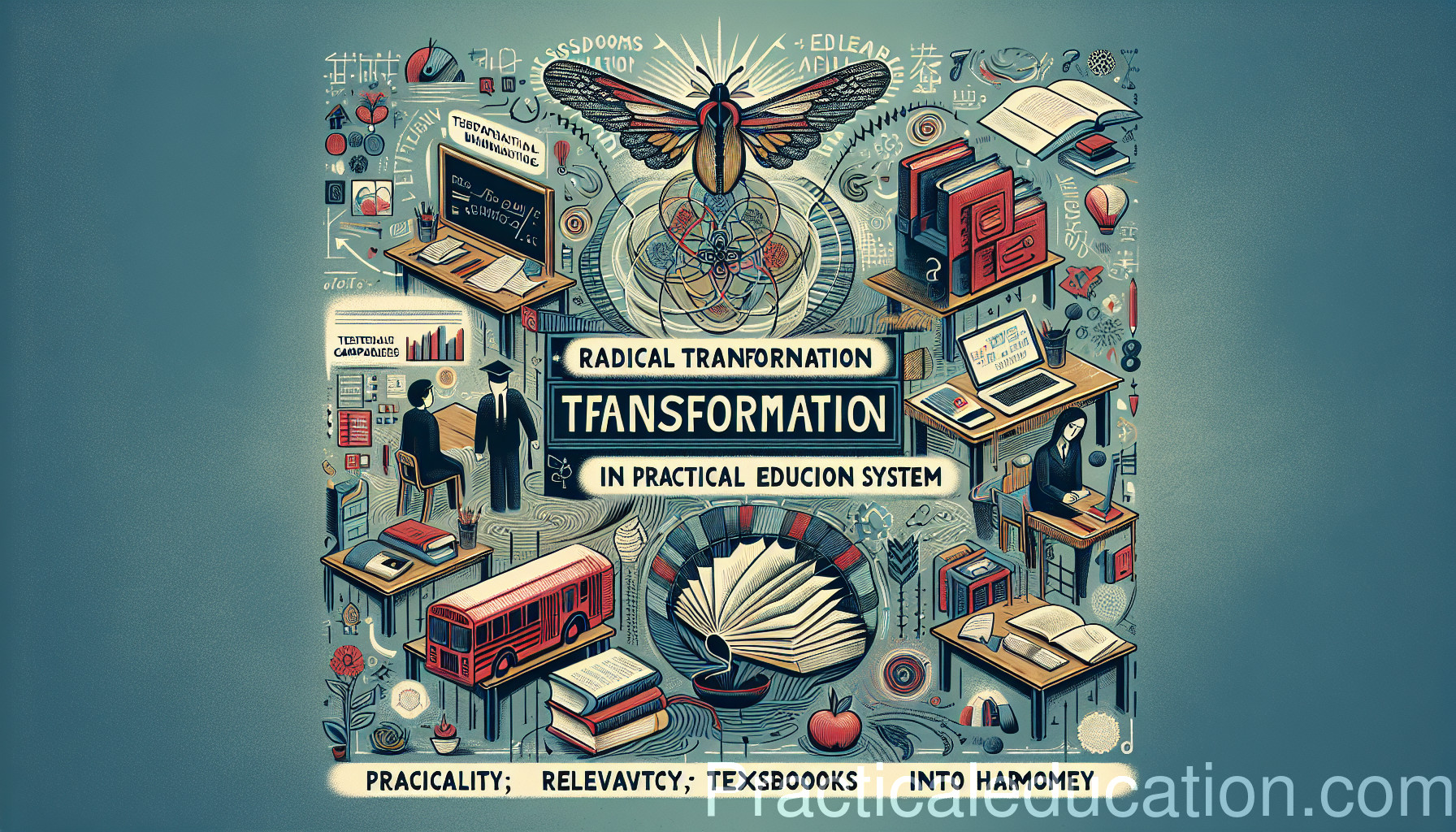
The system punishes students who are good at too many things. You must choose: science or art, tech or literature, logic or emotion. But the best minds of our era are hybrids. The polymath is the model of the future—not the exception. Stop slicing minds into categories and start training fusion.
In the contemporary landscape of education, an observable paradox emerges: while we exist in an increasingly interconnected and complex world, our academic systems remain stubbornly entrenched in compartmentalized methodologies.The prevailing model demands students to specialize early, effectively discouraging the exploration of diverse intellectual pursuits.
This chapter argues for a paradigm shift, advocating for the cultivation of polymaths—individuals who are adept in multiple fields, capable of integrating knowledge across disciplines.
The need for this transformation is clear; the polymath embodies the intellectual flexibility required to navigate and innovate in today’s multifaceted environments.
The traditional academic system is predicated upon specialization, promoting a false dichotomy between fields such as science and art, technology and literature, logic and emotion.
This is a reductive approach that ignores the richness of interdisciplinary potential and the cognitive advantages of a holistic educational experience.
Research supports that diverse cognitive experiences foster creativity, problem-solving capabilities, and overall intellectual resilience.
However, the current system punishes students who display proficiency in multiple areas by forcing them into narrow tracks, thereby limiting their opportunities for synthesis and cross-pollination of ideas.
Curriculum design within this context must evolve to embrace the concept of interdependence among disciplines, rather than rigid categorization.
A curriculum that encourages fusion would not only allow but actively promote collaborative projects that integrate scientific inquiry with artistic expression, logical reasoning with emotional intelligence.
For instance, students could engage in a project that combines data analysis with creative storytelling, or engineering principles with performance arts.
Such an approach equips students with a diverse toolkit, enabling them to tackle real-world challenges from multiple vantage points.
Educational institutions, therefore, should prioritize the development of programs that reflect this interdisciplinary ethos.
This necessitates a reconfiguration of how subjects are approached—where traditional boundaries are blurred, and collaboration is embedded into the educational framework.
Faculty development would need to pivot from subject-specific expertise to an interdisciplinary teaching model, where educators are encouraged to design experiences that foster cross-disciplinary conversations and projects.
The implications of fostering polymaths extend beyond individual student achievement; they resonate on a systemic level.
Schools designed around these principles would also mirror the complexities of the global job market, which increasingly values versatility and the ability to adapt across various domains.
As organizations face unprecedented challenges that require innovative solutions, the need for individuals capable of integrating knowledge from different fields becomes paramount.
Moreover, a global mindset must underlie this approach.
Education systems have historically favored Western-centric models that emphasize analytical thought and specialization, often at the expense of other philosophical traditions that promote holistic understanding.
Eastern pedagogical frameworks, which prioritize depth of understanding and the interconnectedness of knowledge, offer valuable insights.
Integrating these perspectives can augment Western methods by fostering a more balanced educational experience, one that emphasizes the significance of cultivating both logical rigor and emotional depth in learners.
Students should experience education as a process where they can traverse various disciplines without facing punitive consequences for their interdisciplinary interests.
This requires a cultural shift within schools to celebrate diversity in thought and encourage exploration.
Assessments should not merely evaluate knowledge retention but instead judge a student’s ability to connect and apply knowledge across various domains.
For example, assessments could include projects that require students to draw on multiple disciplines to propose solutions to complex problems, thereby cultivating inventive capacity and practical insights.
The global economy increasingly rewards individuals who can adapt, innovate, and integrate ideas from various fields.
As such, the future workforce will disproportionately benefit from the capabilities of polymaths.
Educational institutions, therefore, must reevaluate their foundations and adapt to nurture versatility, creativity, and collaborative skills, preparing students for a landscape where success is contingent upon the ability to draw from a broad spectrum of knowledge and experiences.
A future-oriented educational model must also address the misconceptions surrounding polymathy.
Too often, those who demonstrate diverse talents are labeled as unfocused or spread too thin.
This perspective must be dismantled; polymathic individuals are often the most innovative, capable of seeing connections others may miss.
Educational narratives should shift from glorifying singular expertise to valuing the breadth of knowledge—therein lies the real potential for innovation and leadership.
Integrating practical learning experiences that reflect real-world complexities is essential.
Institutions can achieve this by designing opportunities for students to tackle current issues through projects, collaborations with industries, and initiatives that promote community engagement.
This experiential learning framework will not only enhance student mastery but also provide the context for applying theoretical knowledge in practical situations—reinforcing the significance of being well-rounded and adaptable.
Ultimately, the war on the polymath is a reflection of a broader crisis within education—a crisis of imagination and purpose that limits human potential.
It is time for educators and reformers to advocate for a model that embraces complexity, cultivating individuals who can traverse and unite fields of knowledge to forge innovative paths forward.
By engendering an educational culture that values synthesis, schools can herald a new era of learning that prepares students not just to adapt to the future but to actively shape it.
Polymaths are not a luxury but a necessity in our increasingly complex world.
It is imperative to shift educational practices to recognize and foster this potential.
Acknowledging the interconnectedness of disciplines is the first step towards dismantling the barriers that currently divide our educational landscape.
“The future demands thinkers who transcend categories; education must evolve to cultivate the minds that will lead us there.” — Eric Bach.