Schools That Punish Talent
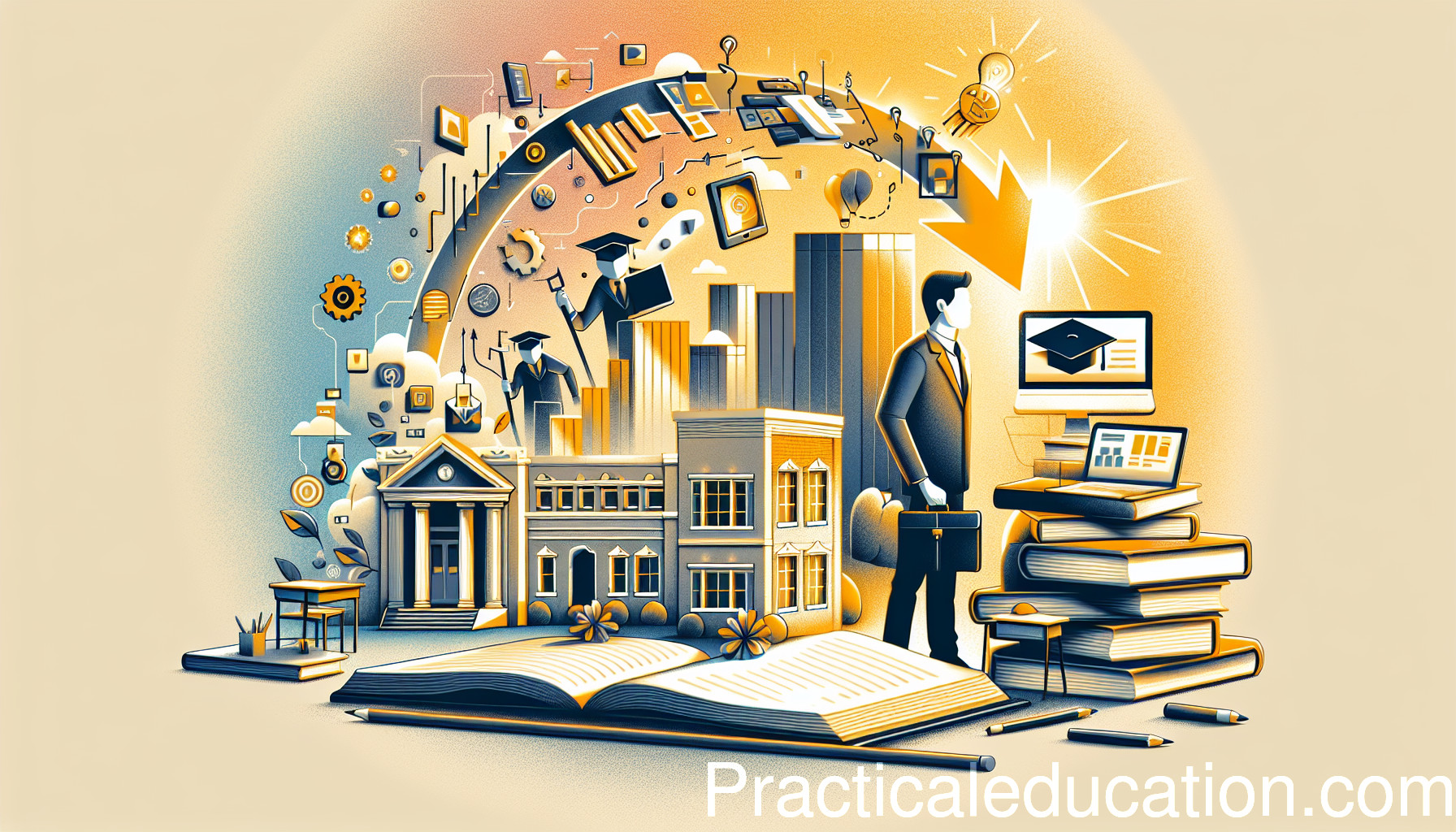
The fastest learners are told to slow down. The weirdest kids are sent to therapy. The loudest thinkers are shushed into silence. We punish what the world needs most. It’s time to make room for the gifted, the different, and the disruptive.
The conventional educational model, which heavily emphasizes standardized testing, rote memorization, and compliance, does not only fail to serve the diverse spectrum of student capabilities; it actively punishes the very talents that a dynamic, evolving economy needs.This flawed approach results in a system where gifted students are often sidelined.
They are instructed to conform to an inflexible curriculum that prioritizes uniformity over individuality.
Those who think differently, demonstrate unconventional interests, or possess unique talents may find themselves marginalized or pathologized rather than celebrated.
The implications of this are profound; educational institutions that should foster creativity, innovation, and adaptability inadvertently create environments that stifle these very qualities.
One of the primary myths of traditional education is that all students should be treated identically.
In reality, learning is an intensely personal experience, varying significantly from one individual to another.
Students who grasp concepts quickly should not be forced to slow down; instead, they should be encouraged to engage in deeper exploration or advanced projects that allow them to apply their understanding in practical contexts.
A system that inhibits rapid learners not only disservices those students but also deprives society of their potential contributions.
Practical education champions an approach where curriculum design is flexible and adaptive, allowing for differentiation that respects individual learning paces while promoting mastery and ownership of knowledge.
In traditional educational systems, distinction is often conferred through grades and standardized credentials, values that fail to reflect authentic learning and skills.
Such markers become a means of gatekeeping rather than indicators of capability or potential.
This credentialism rewards compliance over creativity and, by extension, limits opportunities for those who do not fit the mold.
Moving away from this outdated paradigm requires institutions to reassess their evaluation methods.
Instead of emphasizing grades, we should focus on performance assessments, project-based learning, and real-life applications of knowledge.
This approach would encourage students to showcase their gifts while developing relevant skills aligned with market demands, thus fostering pathways to ownership and income in their respective fields.
The role of educators in this new paradigm shifts dramatically.
Rather than acting as dispensers of knowledge, teachers must become facilitators of student-driven exploration.
This redefinition is essential not only to rekindle student motivation and engagement but also to prepare them for a complex, interconnected world.
Educators should be trained to identify and nurture the distinct talents and interests of their students, crafting environments that empower them to pursue projects that matter to them.
Such environments would encourage collaboration, critical thinking, and problem-solving, skills that are increasingly sought after in global markets.
Curriculum design must reflect the need for real-life relevance and integration.
This entails an interdisciplinary approach, where subjects are not taught in isolation but in conjunction with real-world applications.
For example, a project could integrate mathematics, science, and art, allowing students to explore their talents within a comprehensive framework.
By contextualizing learning in this way, students engage deeply with material that matters, reflecting a mindset that transcends cultural boundaries.
Global education systems can learn from each other, taking cues from Eastern philosophies of inquiry-based learning that emphasize understanding and adaptability, and applying Western entrepreneurial frameworks that emphasize practical outcomes and innovation.
Moreover, embracing technology as a tool for personalized education can bolster this shift.
Online platforms can provide tailored content that meets students' diverse needs, offering opportunities for accelerated learning, peer collaboration, and mentorship.
Importantly, this technology should not replace traditional educators but augment their capacity to engage students in meaningful ways.
An internet-enabled world allows for collaboration across borders, enabling learners to connect with experts and peers globally.
This global perspective not only enriches the educational experience but also emphasizes the importance of cross-cultural understanding and cooperation.
As educational institutions transition towards a model that cultivates creativity, autonomy, and disruption, we must also consider the implications for global learning systems.
With economies increasingly intertwined, education must prepare students to navigate not just local markets but global ones.
Teaching students to recognize and leverage their unique talents in a broader, global context will be essential for fostering a new generation of entrepreneurs and innovators who can address complex, systemic challenges.
This shift necessitates the re-evaluation of educational policies worldwide, breaking down barriers that currently hinder the facilitation of talent and creativity.
In conclusion, the time has come to dismantle the conventional wisdom that governs our educational systems.
We must create schools that embrace and enhance the unique talents of students rather than punish them.
By prioritizing an education model grounded in practical, hands-on learning that values individuality and real-world applications, we pave the way for a future where the gifted, the different, and the disruptive flourish.
Doing so not only nurtures personal responsibility and autonomy but also equips students to contribute meaningfully to society and the economy.
“Education must create spaces where talent is encouraged, not punished; where the disruptive has room to innovate, and where the gifted can thrive.” (Eric Bach)