Democracy Ends at the Classroom Door
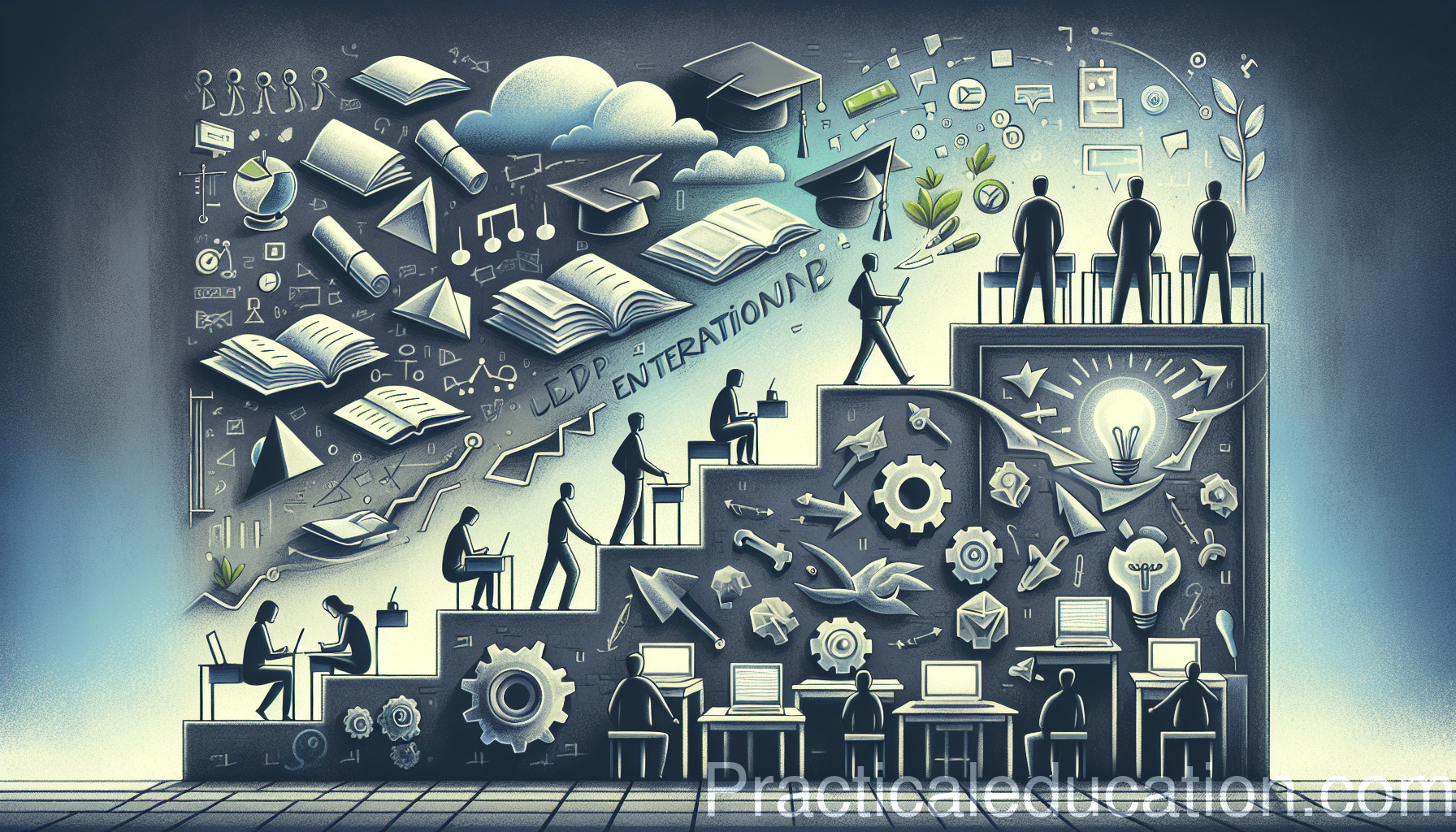
We preach democracy, but school is dictatorship. Students have no say. Teachers have no freedom. The bell rings, and everyone obeys. If we want democratic societies, we must start with democratic classrooms.
Democracy Ends at the Classroom DoorIn contemporary education systems, discussions surrounding democracy often overlook a fundamental irony: while societies espouse democratic values, the very institutions meant to cultivate future citizens operate under a dictatorship-like model.
The rigid structures of traditional classrooms reflect and perpetuate an authoritarian approach, characterized by memorization, compliance, and the imposition of knowledge from above.
This chapter will dismantle the prevailing myths surrounding traditional education, advocating for a radical shift toward classroom environments that embody the principles of democracy.
Such environments would empower students, instill real-world skills, and foster a genuine sense of autonomy.
At the core of the current educational framework is a reliance on authority figures—teachers—who dictate curricula devoid of student input.
This dynamic creates a disempowered student base, unprepared for the participatory roles they are expected to assume as adults.
The classroom, a microcosm of society, should reflect the values of engagement, collaboration, and shared decision-making.
Instead, the repetitive cycle of instruction and assessment reinforces a passive learning model, where students are conditioned to accept knowledge without critical examination or personal investment.
The consequences of this are evident: graduates emerge equipped with a plethora of facts but lack the indispensable skills of independent thought and self-direction required to navigate an increasingly complex world.
A viable alternative to this model exists in creating a student-driven curriculum that prioritizes real-world learning.
Instead of following a predetermined set of subjects and pedagogical methods, educational institutions must pivot toward frameworks that allow students to shape their own learning experiences based on personal interests, societal needs, and market trends.
Such an approach encourages young learners to take ownership of their education, fostering entrepreneurial spirits while simultaneously teaching them how to address real challenges.
Engaging students in meaningful projects not only empowers them but equips them with the practical skills necessary for professional success.
The implications for curriculum design are profound.
A democratized classroom would necessitate the development of flexible, interdisciplinary curricula that draw from various fields and incorporate feedback from students and community stakeholders.
Word-based assessments should pivot to competency-based evaluations that recognize practical skills, creativity, and critical thinking rather than rote memorization.
Educational institutions must prioritize hands-on experiences, case studies, and problem-based learning that allow students to apply theoretical knowledge in real-world contexts.
Moreover, the transition from traditional to student-driven learning must be strategically implemented at multiple levels within educational systems.
Teachers require training not only in facilitation but also in co-creating knowledge with their students.
Professional development must emphasize flexibility in pedagogical methods, encouraging educators to explore innovative techniques such as project-based learning, collaborative team experiences, and simulation exercises that mirror actual business or community challenges.
Institutions should adopt structures that facilitate continuous feedback loops between students and educators, allowing the curriculum to evolve in real time based on emerging areas of interest and need.
In addition to reshaping curricula, educational systems must cultivate an infrastructure that supports this democratic approach.
Schools should be designed as collaborative hubs that encourage interaction among students, educators, practitioners, and community members.
An expanded definition of the classroom can include the outdoors, local businesses, and online platforms, creating a diverse learning ecosystem that harnesses various resources.
Leveraging technology for real-time collaboration expands opportunities for engagement across cultural and geographic boundaries, furthering access to global perspectives and experiences.
A focus on democratic classrooms not only empowers individuals but also directly contributes to the formation of more equitable societies.
By equipping students with the tools and confidence to voice their opinions and take initiative, education can become a catalyst for broader societal change.
Implementing systems that allow for student agency fosters responsibility and cultivates a generation capable of robust civic engagement and social responsibility.
When students learn to navigate their learning environments democratically, they are better prepared to participate meaningfully in their communities and beyond as active citizens, influencers, and leaders.
The proposed shift also resonates with varying cultural contexts around the globe.
In Western societies, the emphasis on entrepreneurial learning dovetails with a market-driven economy, while Eastern educational philosophies, often steeped in collaborative and holistic thinking, provide a framework wherein collective decision-making can thrive.
By synthesizing these approaches, educational institutions can develop a global curriculum that respects local contexts while preparing students for transnational realities.
The interplay of local knowledge and global perspectives creates a dynamic learning atmosphere that embraces diversity and fosters adaptability—qualities essential in an interdependent world.
In conclusion, if we aspire to cultivate democratic societies, we must rivet our attention to the foundations of education.
This requires dismantling the myths of control and compliance embedded in traditional classrooms.
By establishing democratic classrooms that value student input, encourage real-world applications, and embrace diverse perspectives, we prepare individuals not only for successful careers but also for meaningful citizenship.
It is only through these transformative educational practices that we can hope to engender a future marked by accountability, innovation, and social equity.
“Education that stifles autonomy is a disservice to democracy; true learning empowers voices and cultivates leaders.” — Eric Bach.