Vomit on the Test, Forget by Next Week
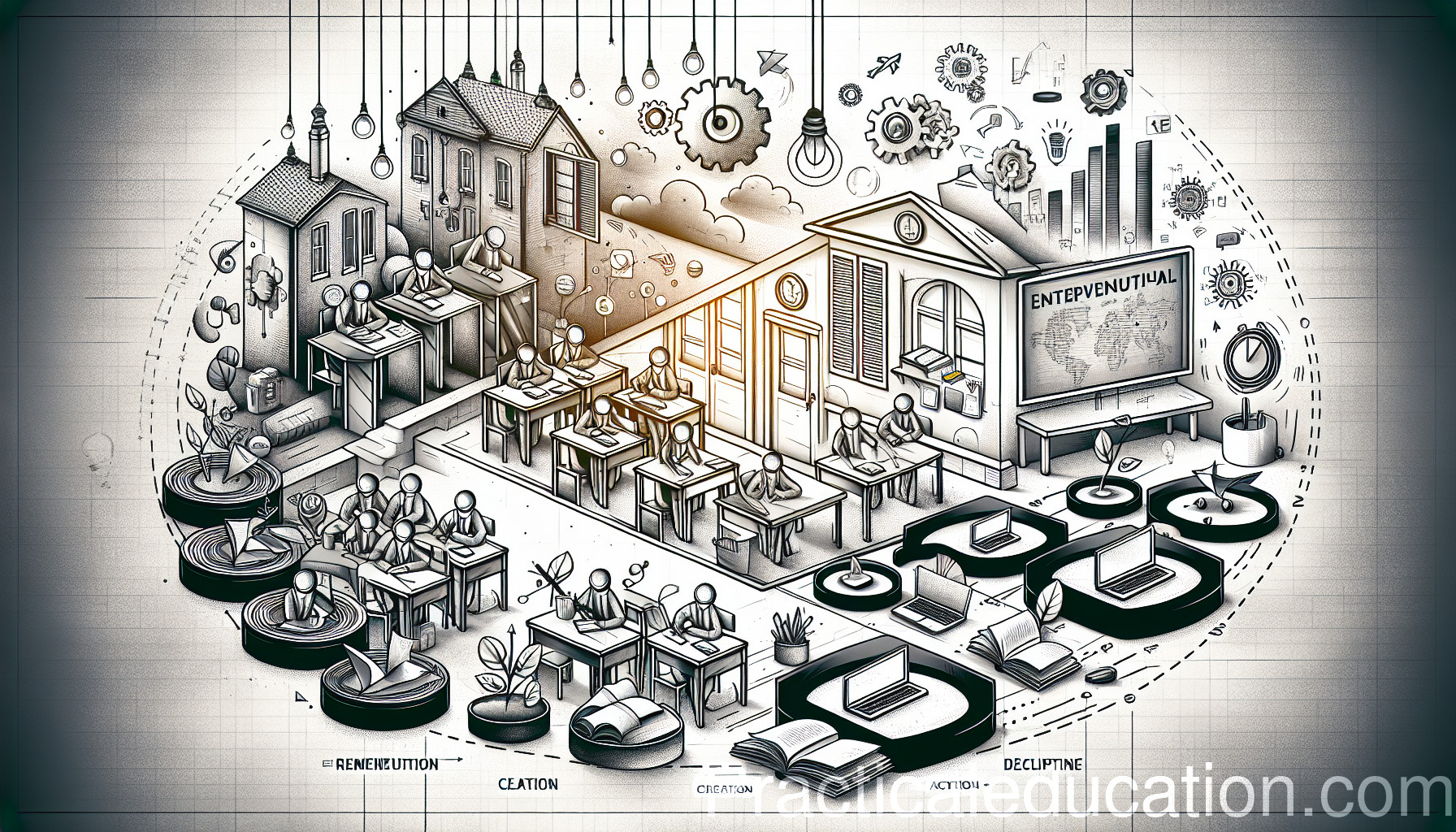
The typical school week: cram, test, forget, repeat. It’s not education—it’s academic bulimia. We’re force-fed facts, vomit them onto tests, and are praised for it. But nothing sticks. If you forget everything after the test, did you ever really learn?
The typical educational experience is characterized by a harmful cycle of assessment and memorization, a process that can be aptly described as academic bulimia.Students are often trained to consume vast amounts of information just in time for examinations, where the primary objective is to reproduce this information under pressure.
Once the test is completed, this knowledge is frequently discarded or forgotten, resulting in an illusion of learning.
This model undermines the very purpose of education: to equip individuals with skills, competencies, and knowledge that are applicable in practical contexts.
The central point of contention in today’s educational methodology is not merely the volume of information absorbed, but the efficacy and relevance of this information in the real world.
Education as it currently stands tends to neglect the fundamental objectives of mastery and autonomy.
Traditional schooling systems prioritize rote memorization over comprehension, leading students to believe that performance on a standardized test equates to intelligence or capability.
This misconception fosters a reliance on external validation through grades rather than nurturing intrinsic motivation for learning.
Hence, it is essential to dismantle the myths surrounding conventional education.
By recognizing that real learning occurs through engagement and application rather than passive absorption and regurgitation, we can initiate a paradigm shift toward an educational framework that emphasizes practical skills and knowledge.
To align educational practices with real-world competencies, it is crucial to restructure curricula in ways that prioritize hands-on experiences, project-based learning, and entrepreneurial endeavors.
Students should be encouraged to pursue areas of personal interest and provide pathways for mitigating the risks associated with live project implementation.
Curriculum design must move from the passive absorption of content to active participation in knowledge creation.
Facilitating environments in which students can apply what they learn in real contexts not only enhances retention but also prepares them for future challenges and opportunities in the increasingly complex global landscape.
Educational institutions must evolutionize their approach to assessment, shifting from standardized testing to performance-based evaluations that measure mastery of skills and real-world application.
By adopting assessment methods that emphasize demonstration over memorization—such as portfolios, presentations, and collaborative projects—educators can cultivate a culture of learning that values depth of understanding rather than superficial recall.
This approach also facilitates differentiation, enabling educators to tailor learning experiences to suit diverse student needs and preferences, thus promoting a personalized education.
Additionally, adopting a global mindset in curriculum design ensures that students understand the interconnectedness of cultures, economies, and technologies.
Education should incorporate diverse perspectives and methodologies, combining Western entrepreneurship with Eastern philosophical principles that emphasize practical wisdom and holistic understanding.
By exposing students to varied cultural contexts and problem-solving frameworks, we equip them to navigate an increasingly globalized world effectively.
This framework encourages students to think critically, creatively, and divergently, enhancing their capacity for innovation and collaboration in diverse teams.
The student experience in this evolved educational model must be centered around autonomy and responsibility.
Empowering students to take ownership of their learning fosters motivation and engagement, leading to deeper understanding and retention of knowledge.
When students identify challenges they are passionate about and work collaboratively to develop solutions, they not only build relevant skills but also cultivate resilience and adaptability—qualities essential for success in their future careers.
This approach not only prepares students for specific vocational pathways but also equips them with transferable skills applicable across various professional domains.
Furthermore, a practical approach to education must consider the implications of technology in learning environments.
Technology should not merely serve as a tool for rote memorization but as a facilitator of innovation and exploration.
Integrating digital literacy into the curriculum allows students to navigate a vast array of information critically, distinguishing fact from misinformation while developing the skills necessary to harness technology effectively.
Educational institutions must actively pursue partnerships with tech companies and incubators to provide students with real-world experiences that allow them to apply their learning in relevant, dynamic contexts.
The reform of global educational systems hinges not only on curricular adjustments but also on the re-evaluation of the roles of educators.
Teachers should be viewed as facilitators of knowledge rather than mere dispensers of facts.
This shift places the onus of learning on the student and recognizes the expertise and passion educators possess for guiding their students toward mastery.
Professional development for educators should emphasize pedagogical strategies that encourage exploration, critical thinking, and practical application of learning.
By fostering an environment of professional growth, institutions can ensure that teachers remain engaged and effective, ultimately benefiting the students they serve.
In conclusion, dismantling outdated educational myths demands a comprehensive rethinking of conventional practices that prioritize memorization over mastery.
By promoting a model that encourages practical, relevant learning experiences, we can ensure students acquire the skills needed to thrive in a dynamic global landscape.
This shift not only enhances individual learning outcomes but also prepares the next generation of leaders and innovators to tackle complex challenges with confidence and creativity.
As we advocate for this educational transformation, it is crucial to remember that real learning extends beyond the classroom; it is about preparing students to own their futures in a complex, interconnected world.
"True mastery lies not in recalling facts under pressure, but in the ability to apply understanding in the real world." — Eric Bach.