Teach Borderless Intelligence
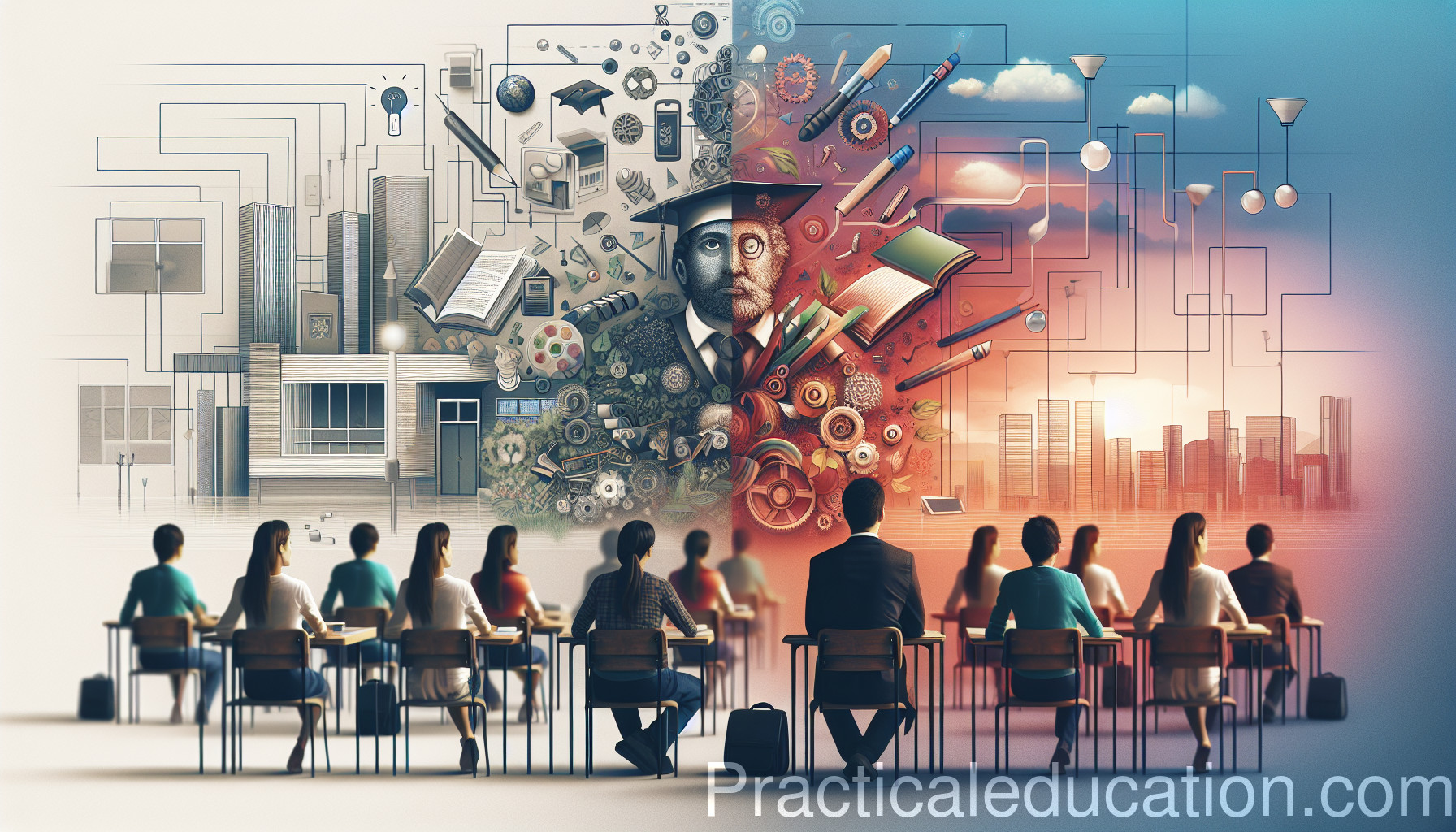
A modern learner must understand cross-cultural negotiation, multilingual nuance, global finance, and digital citizenship. National curriculums are outdated. Education must be planet-ready. Teach minds that cross borders—physically, culturally, economically.
In a rapidly evolving global landscape, the traditional national curriculum appears increasingly inadequate.This chapter posits that education should transcend geographical and cultural borders, promoting what can be termed "borderless intelligence." This concept embodies a modern learner’s needs, focusing on cross-cultural negotiation skills, multilingual proficiency, an understanding of global finance, and principles of digital citizenship.
By prioritizing a curriculum that prepares individuals to navigate and contribute positively to a complex world, we can redefine educational effectiveness in a manner that reflects contemporary realities.
The foundation of borderless intelligence lies in recognizing that the world is no longer confined by national boundaries.
Economic systems are intertwined, cultures influence one another at an unprecedented scale, and technology enables instantaneous communication across vast distances.
Hence, curricula steeped in isolationist national narratives fail to provide students with the requisite skills for effective participation in a globalized society.
Traditional education models, primarily focused on rote memorization of disconnected facts and figures, do not impart the critical thinking and adaptability necessary for success in the 21st century.
To dismantle traditional education myths, we must first challenge the notion that national content is sufficient for informed citizenship and professional competence.
Today's students must engage with diverse perspectives to navigate an increasingly complex socio-economic environment.
Thus, educational institutions have a responsibility to incorporate a curriculum that emphasizes cultural literacy and global awareness.
This involves not only teaching a variety of languages but also instilling an understanding of intercultural communication, negotiation techniques that account for cultural differences, and strategies for resolving conflicts in a multicultural context.
Additionally, borderless intelligence demands an awareness of global finance, which is critical for students aspiring to operate effectively in international markets.
Rather than focusing solely on national economic principles, curricula should encompass the workings of global financial systems, trade agreements, currency fluctuations, and ethical business practices across myriad cultural environments.
Integrating practical financial literacy into educational frameworks can empower students to make informed decisions and foster economic resilience in their communities.
These competencies will not only enhance individual career prospects but also contribute to broader economic stability in an interconnected world.
Digital citizenship is another fundamental component of borderless intelligence.
In a tech-driven society, understanding how to navigate online spaces safely and effectively is crucial.
Digital literacy extends beyond mere proficiency in utilizing technology; it includes critical evaluation of information sources, ethical engagement in online communities, and recognizing the implications of digital footprints.
An educational model promoting digital citizenship equips students with the skills they need to thrive in an increasingly connected world, allowing them to harness technology as a tool for collaboration and innovation rather than as a source of division or misinformation.
Curriculum design must, therefore, move beyond static subjects rooted in outdated contexts.
Integration of real-world applications—project-based learning, internships, cultural exchanges, and simulations—offers students opportunities to practice these essential skills in authentic environments.
Schools can collaborate with international organizations or businesses to expose learners to diverse challenges and solutions across borders.
This practical approach not only reinforces the relevance of the curriculum but also ensures that students are actively engaged in their education, thereby increasing ownership over their learning journey.
Moreover, institutions must adopt flexible structures to accommodate diverse learning styles and cultural backgrounds.
Educational strategies employed in the West, often defined by strict hierarchies and standardized assessment methods, need to adapt to incorporate the emphasis on harmony, collaboration, and consensus that is common in many Eastern cultures.
Instead of conventional assessments, competency-based evaluations should prioritize mastery in cultural competencies and practical skills relevant to navigating an interconnected world.
By fostering environments that value adaptability and cross-cultural discourse, schools can help develop globally competent citizens capable of addressing complex challenges.
The implications of adopting borderless intelligence extend to governmental and global educational policies as well.
Education systems worldwide must align with international agreements and frameworks that emphasize global citizenship, such as the United Nations’ Sustainable Development Goals.
By implementing guidelines that promote cross-national collaboration and resource sharing, governments can usher in a new era of education that is both relevant and impactful.
This is particularly vital as the world faces shared challenges—climate change, health crises, and economic inequities—that require collective wisdom and cooperation from a diverse array of viewpoints.
In conclusion, the case for borderless intelligence as a core component of modern education is clear.
By restructuring curriculum development to prioritize cross-cultural understanding, global finance, and digital citizenship, educational institutions can empower students to thrive within a complex and interdependent world.
This shift not only meets the emergent needs of the workforce but also fosters responsible global citizens committed to positive societal contributions.
Practical education must evolve to prepare individuals for ownership, income generation, autonomy, and true mastery of real-world challenges.
As we move forward, we must remember that the aim of education is not merely to impart knowledge but to cultivate the ability to navigate and impact a myriad of cultural, economic, and geopolitical landscapes.
"Borderless intelligence prepares minds to think beyond confines, shaping learners for a world without boundaries." (Eric Bach)