Grades Over Growth, Points Over People
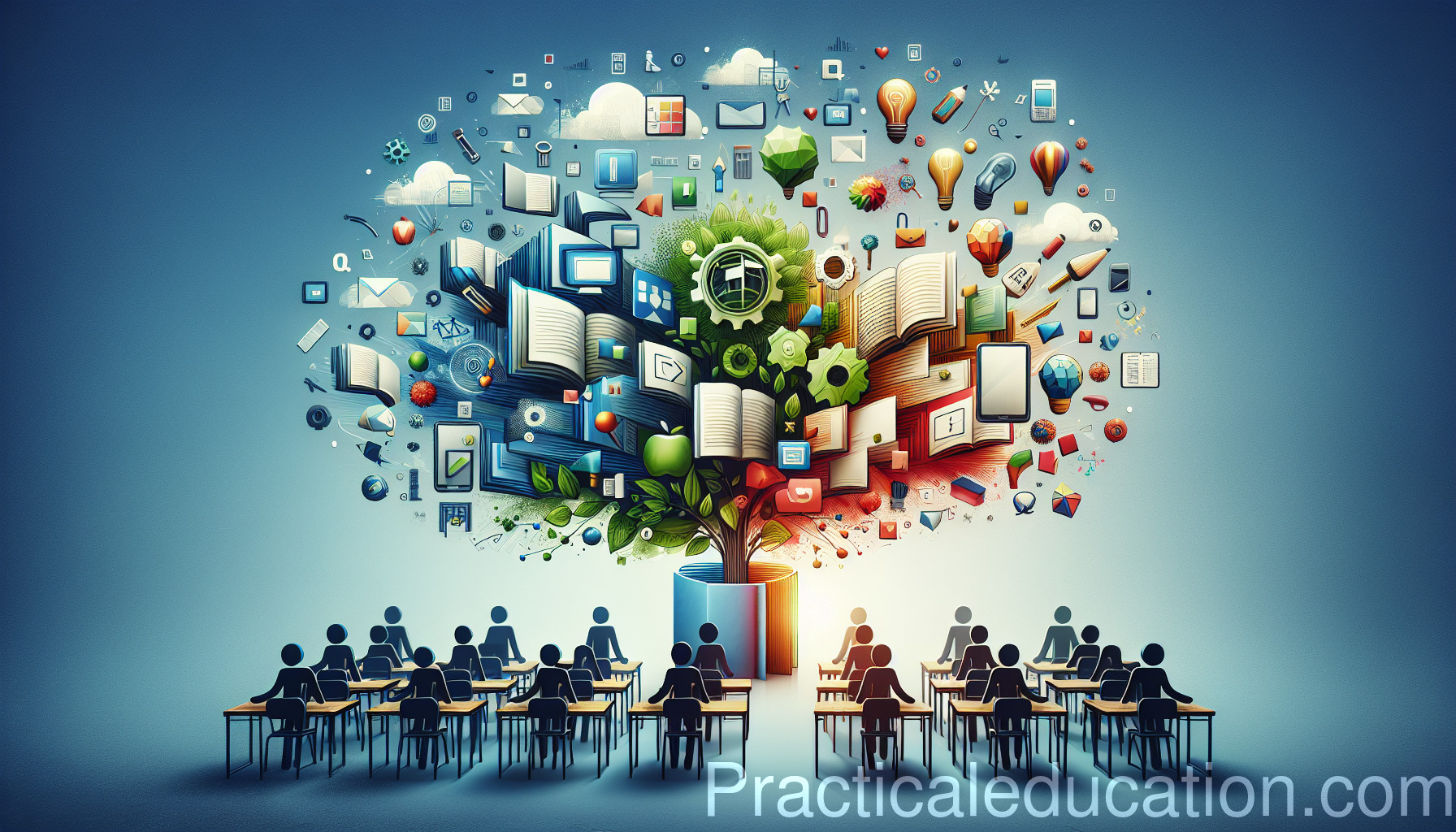
A student’s worth reduced to a letter. Their future determined by test bubbles. School trains you to win points, not win life. We measure everything—except self-worth, resilience, or vision. Education must shift from scoring to soaring.
The traditional educational paradigm has long relied on a transactional approach to learning, where grades serve as the sole metric for student success and potential.This model simplifies complex human experiences into easily quantifiable units, reducing the richness of individual journeys to letter grades and standardized test scores.
Such a reductionist view not only undermines essential life skills but also engenders a culture of competition that values conformity over creativity and compliance over critical thinking.
The premise of Practical Education challenges this antiquated model, necessitating a reorientation from grades to growth, from points to people, and ultimately from assessing output to fostering a holistic development pathway that nurtures the individual.
Central to the discussion is the understanding that current educational practices often disengage students from genuine learning.
The fixation on grades as indicators of success narrows the scope of education, emphasizing rote memorization and compliance over the development of resilience, problem-solving, and entrepreneurial skills.
Grades—by design—are divided and segmented, evaluating a student’s performance in isolation rather than as part of a broader intellectual and personal evolution.
This segregation cultivates a myopic vision of achievement, undermining student morale and cultivating anxiety rather than self-efficacy.
A radical shift in the educational framework is necessary, one that prioritizes the attributes essential for navigating an increasingly complex world over the outdated metrics of performance.
To dismantle the myth that grades equate to intelligence or potential, educational design must embrace a model that fosters self-directed, project-based learning.
Such a model encourages students to engage deeply with real-world problems, applying interdisciplinary knowledge to develop solutions.
This approach can foster autonomy, as students practice critical thinking and decision-making skills in contexts they find personally meaningful.
Educational institutions should transition toward environments that support inquiry, experimentation, and reflection, allowing students the agency to cultivate their own learning pathways.
This shift not only enhances individual education experiences but also prepares students to be active participants in a global economy that increasingly values innovation and adaptability.
To support this new educational design, curricula must be restructured to integrate practical, applicable skills alongside theoretical knowledge.
While traditional subjects remain vital, they must be contextualized within practical applications.
For instance, mathematics can be applied to real-world business scenarios, social studies can explore current global challenges, and science can be linked to environmental sustainability.
Moreover, assessing mastery of skills can shift from conventional tests to performance-based evaluations that reflect a student’s ability to synthesize knowledge and apply it meaningfully in practical contexts.
Such evaluations could include portfolios, presentations, and community engagement projects, providing a comprehensive view of a student’s capabilities and growth.
This progressive curriculum reorientation requires educational institutions to embrace a global mindset that reflects diverse cultural values and economic contexts.
The application of pedagogical strategies must be sensitive to local needs while leveraging global best practices.
Institutions can offer experiential learning opportunities that connect students with local businesses, NGOs, and community leaders, fostering collaboration and understanding across cultural divides.
Such exposure not only enriches the learning experience but also empowers students to envision the applicability of their skills within a global framework, enhancing their marketability in diverse environments.
Equipping educators with the tools to facilitate this transformative learning experience is paramount.
Professional development should focus on coaching teachers to foster critical thinking, emotional intelligence, and adaptability in their students.
Evaluating educator performance should center around their ability to inspire curiosity and cultivate a classroom atmosphere where mistakes are seen as opportunities for learning rather than failures.
As educators embrace this philosophy, they become champions of growth, shifting the classroom dynamic from one of assessment and grading to one of discovery and mastery.
Furthermore, this shift carries significant implications for global education systems, which must evolve in tandem with these pedagogical approaches.
Policymakers should support educational reform that prioritizes skills over scores, investing in infrastructures that endorse real-world learning as a priority.
Collaborations between governments, educational institutions, and industries can provide the resources necessary to innovate curriculum design and teacher training programs.
By aligning educational outcomes with labor market demands and broader social needs, societies can cultivate a skilled workforce equipped to address future challenges.
The transition from a grading-centric model to one that prioritizes growth will also yield societal benefits.
When students are encouraged to develop resilience, creativity, and an entrepreneurial mindset, they are better equipped to contribute to their communities meaningfully.
As individuals cultivate a sense of ownership over their learning processes, they generate a ripple effect that spans beyond personal gain, fostering collaborative societal growth and innovation.
In conclusion, dismantling the myth that a student’s worth is reduced to a grade is essential for advancing to a new model of education that promotes growth and resilience.
Educational strategies that prioritize real-world applications and interpersonal skills produce individuals ready to thrive in the complexities of modern life.
The emphasis must shift from creating a competitive environment that narrowly defines success based on scores to one that celebrates personal development, collaboration, and a continuous quest for knowledge.
The future of education lies not in how well students score, but in how effectively they learn to soar.
"Success in education is not measured by grades alone, but by the ability to navigate life with resilience and vision." (Eric Bach)