Academic Stockholm Syndrome
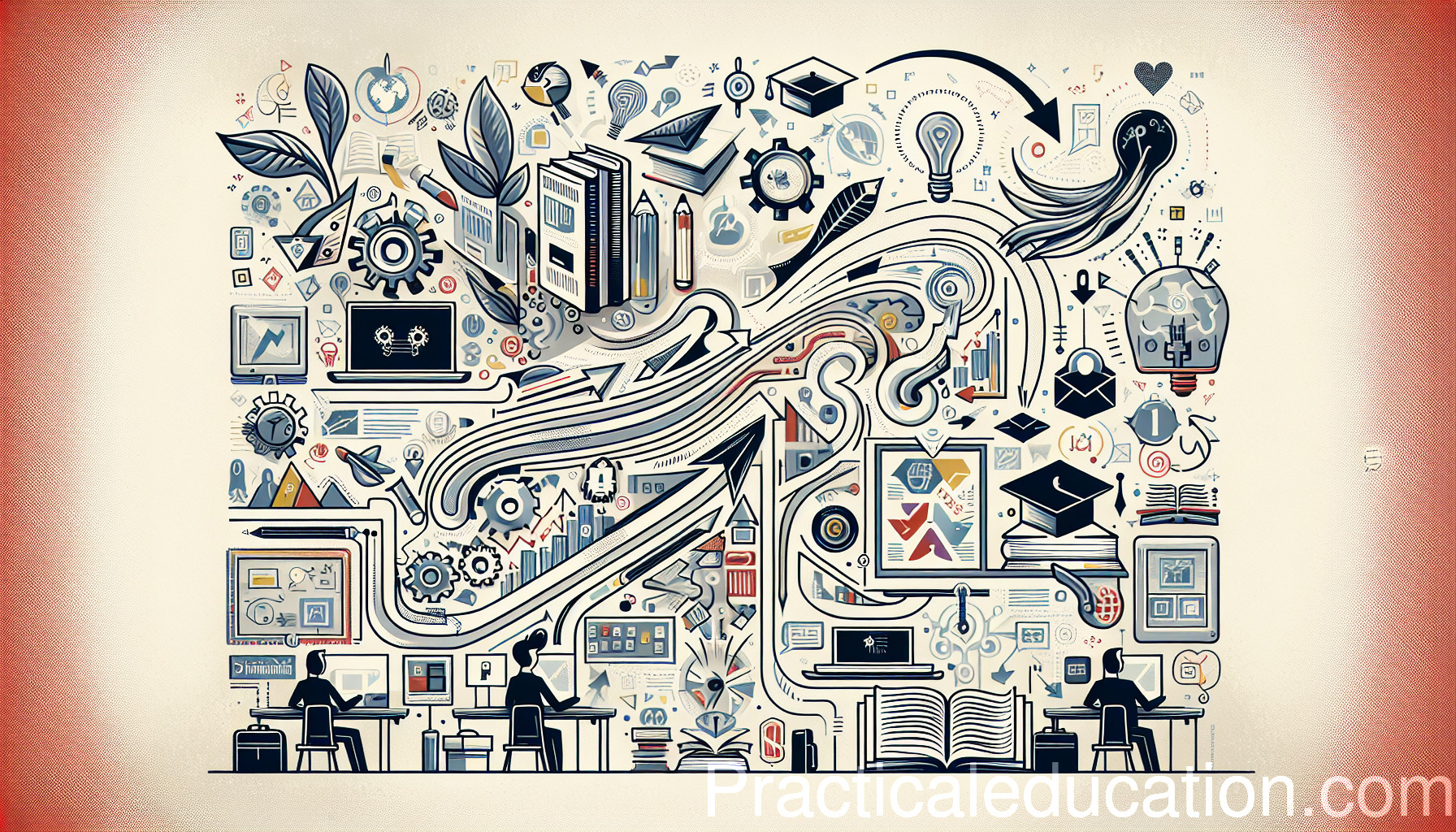
We defend the system that failed us. We praise the places that caged us. Students call it nostalgia, but it’s really trauma. Just because we survived the system doesn’t mean it works. The best healing starts with brutal honesty.
In contemporary discourse surrounding education reform, a persistent phenomenon emerges: graduates of the traditional schooling system, having endured its rigors, often develop a form of allegiance to this system, despite its manifest inefficiencies and limitations.This phenomenon, akin to Stockholm Syndrome, encapsulates a broader misapprehension in which individuals continue to defend an educational framework that ultimately failed to equip them for success in the real world.
Nostalgia for this system, often framed as a fond remembrance of shared experiences, cloaks a deeper trauma—a collective denial of the structural inadequacy that characterizes conventional educational models.
To foster genuine educational reform, we must first confront this uncomfortable truth with brutal honesty.
The prevailing educational paradigm is fundamentally predicated on memorization, obedience, and the attainment of credentials that serve little purpose outside institutional confines.
It is characterized by a rigid structure emphasizing standardized testing and rote learning, which stifles creativity, critical thinking, and adaptability.
As a response to this framework, the pressing need arises for an education that not only acknowledges these failures but actively dismantles their foundations.
The radical proposition at the heart of this chapter is that education should shift from an institutionally driven model to one that prioritizes practical, student-driven, real-world learning experiences.
Through such a shift, students will not only acquire competencies but will also gain ownership over their educational journeys, fostering autonomy and the potential for income generation.
Curriculum design must undergo a fundamental transformation to align with this practical learning paradigm.
Traditional curricular structures often prioritize historical knowledge and theoretical constructs at the expense of practical application.
A reimagined curriculum should focus on developing skills that are directly applicable in the workforce and in communal life.
Educational institutions must embrace a competency-based approach where the acquisition of skills takes precedence over the mere accumulation of credits.
This model can draw insights from successful vocational training systems historically prominent in many Eastern cultures, where the balance between theoretical knowledge and hands-on practice is maintained more effectively than in many Western counterparts.
The implications of this approach extend beyond mere curriculum reform.
Educational institutions need to reconceptualize their operational frameworks.
A shift towards education that prioritizes real-world engagement necessitates partnerships with industry, community organizations, and entrepreneurial networks.
This might involve establishing cooperative programs where students split their time between classroom learning and on-the-job experiences, engaging with the entrepreneurial challenges faced by real businesses.
Encouraging collaboration between students and industry leaders can create a dual feedback loop where both parties gain from the exchange: students develop relevant skills while organizations benefit from fresh perspectives and innovative solutions.
Furthermore, the student experience should be radically redefined to enhance engagement, ownership, and personal relevance.
Currently, student agency is often diminished within traditional educational frameworks.
Students typically navigate predetermined paths rather than choosing their own trajectories.
By implementing project-based learning models, students can identify problems within their communities and endeavor to devise practical solutions, utilizing real funds, real clients, and integrating their learning in a meaningful context.
This shift promotes a sense of responsibility and empowerment, situating students not merely as passive recipients of knowledge but as active contributors to societal development.
An integral aspect of promoting student-driven learning is the cultivation of a global mindset.
In a world that continues to interconnect culturally and economically, education systems must not only prepare students for local realities but also for global challenges.
Incorporating cross-cultural collaboration, projects that address global issues, and the study of global entrepreneurship will broaden students' perspectives and skills.
This emphasis on global competency will ensure relevance across diverse contexts, equipping students to thrive in an increasingly interconnected world.
One major challenge in transitioning from traditional academic frameworks to a practical learning model lies in confronting the existing power structures within educational institutions.
Educators and administrators, who may have benefitted from the status quo, will need to recognize the limitations of their own experiences and adapt to foster more innovative methodologies.
Resistance to change is likely, as ingrained practices can create barriers to the adoption of new paradigms.
However, the urgency of aligning education with real-world dynamics must outweigh these hesitations, and strategic leadership must play a pivotal role in effectively facilitating this transformation.
As we analyze education's trajectory, we must acknowledge that any meaningful reform requires collaboration across various sectors—educators, policymakers, industry leaders, and communities at large.
This collaborative model is not merely a supplementary addition to existing frameworks but stands as an essential component of a newly envisioned educational approach that is dynamic and responsive to the demands of the modern world.
In summary, dismantling the myths that surround traditional education requires introducing a radical shift towards practical, student-driven learning that emphasizes ownership and real-world application.
Our educational institutions must cultivate flexible curricula that integrate direct engagement with industry and foster global competency among students.
This multifaceted reform is critical to moving beyond the nostalgia of a system that has, for too long, centered on compliance rather than mastery, and it is imperative that we recognize these shifts as foundational to effective educational reform.
"True educational transformation begins when we question not just what we learn, but why we defend a system that has never served our fullest potential." — Eric Bach