Tyranny in a Syllabus
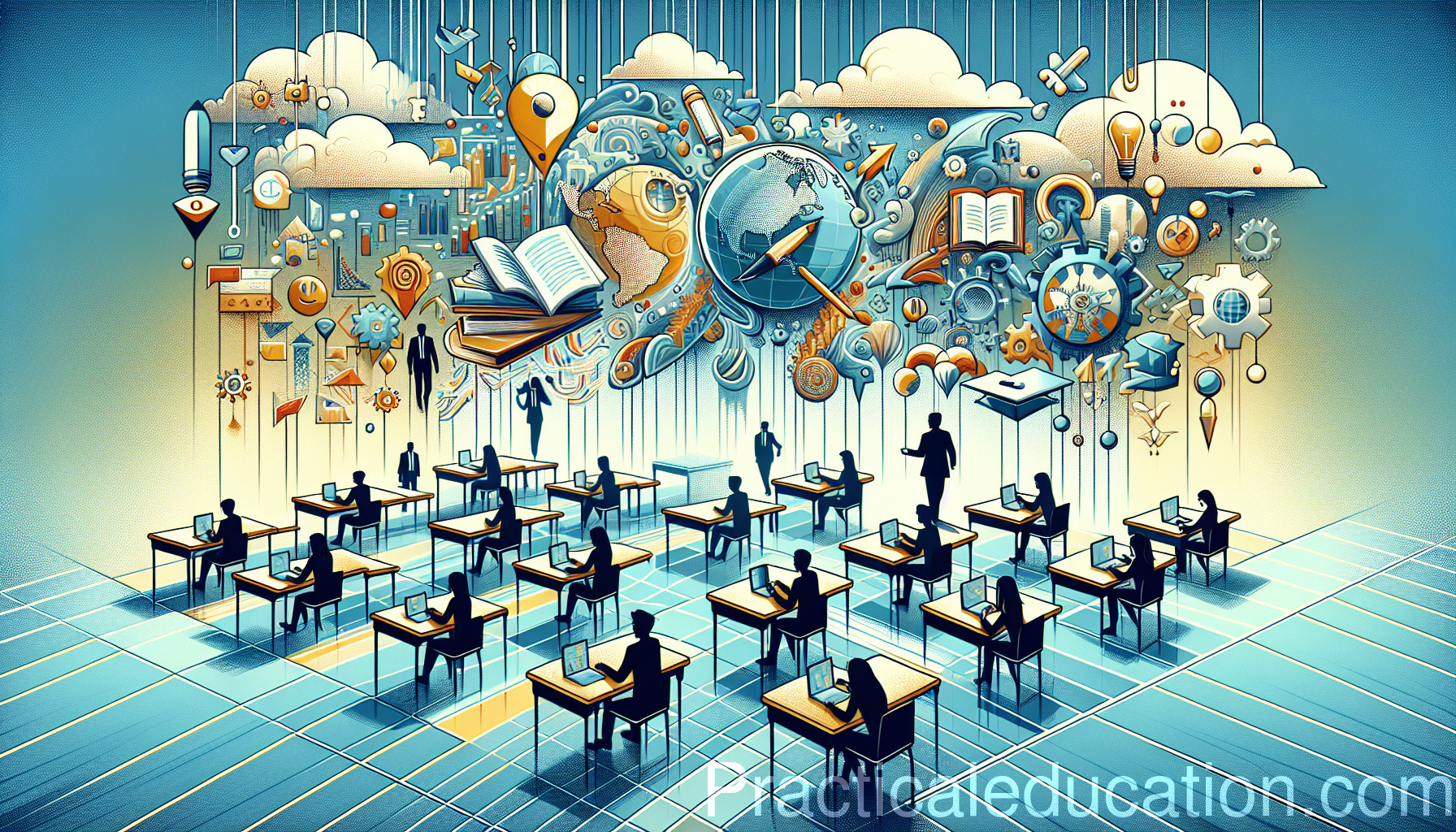
Today’s syllabus isn’t a roadmap—it’s a cage. Mandated topics, test-oriented pacing, and enforced neutrality make teaching robotic. It’s not about what students need—it’s about what the system demands. We must redesign learning plans that breathe, adapt, and empower. Tyranny has no place in the curriculum.
In contemporary education, the traditional syllabus has evolved into a mechanism of constraint rather than a guide for exploration.It embodies an outdated model where mandated topics, rigid timelines, and a focus on standardized testing overshadow the genuine interests and needs of students.
The result is a one-size-fits-all approach that stifles creativity, critical thinking, and real-world applicability.
The pervasive adherence to predetermined content not only fosters an environment of compliance but also diminishes student engagement and ownership of the learning process.
To dismantle this educational tyranny, it is essential to recognize that a syllabus should not dictate the journey of learning; rather, it should facilitate it.
Effective education occurs when students drive their own learning experiences based on curiosity and relevance to their lives.
By shifting the paradigm from a prescriptive syllabus to a dynamic framework of learning, we can empower students to take ownership of their education.
This approach aligns with the principles of Practical Education, which prioritizes real-world mastery, practical skills, and the cultivation of autonomy.
Curriculum design must evolve to allow for flexibility and adaptability.
This involves moving away from rigid frameworks that prescribe what should be taught and when.
A learner-centered curriculum engages students in identifying their educational goals, selecting topics of interest, and determining how best to achieve mastery in those areas.
In practice, this would mean implementing modular structures or thematic learning experiences that prioritize interdisciplinary connections, allowing students to navigate across subjects in ways that resonate with their aspirations and career goals.
By encouraging students to explore their interests deeply, we cultivate a generation that is not merely versed in theory but equipped with practical skills and knowledge applicable to real-world scenarios.
Educational institutions must rethink their pedagogical approaches and institutional policies to create an environment that promotes exploration.
Faculty should be trained to become facilitators of learning rather than mere transmitters of information.
This requires not just a shift in teaching methodology but also a cultural transformation within schools and universities.
Educators should encourage inquiry-based learning, critical thinking, and experiential education, moving away from traditional lecture formats and rote memorization.
The integration of project-based learning, internships, and real-world applications within coursework will prove essential in demonstrating the relevance of education to students’ future lives.
Moreover, a global mindset must pervade educational reform.
While Western pedagogies often emphasize individualism and entrepreneurial mindset, Eastern philosophies can contribute depth and holistic understanding.
By examining educational systems worldwide, we can integrate concepts such as collaborative learning from Eastern practices and self-directed, outcomes-based education from Western models into a hybrid framework that serves students across diverse contexts.
This global perspective not only enriches the curriculum but also equips students with the critical thinking and adaptability skills necessary to thrive in an increasingly interconnected world.
Developing a new educational framework has concrete implications for stakeholders within the learning process.
For students, it means a transition toward greater agency and relevance in their learning experiences, fostering not only knowledge but also practical application.
For educators, this new model necessitates a shift in professional development focus, equipping them with the skills to guide and mentor students in their self-directed learning journeys.
For educational institutions, embracing this vision involves reevaluating assessment methods, withdrawing from rigid grading systems, and employing alternative metrics that measure personal growth, skill acquisition, and successful project completion.
Finally, global learning systems must consider the socioeconomic context of students.
This means providing resources and opportunities that are accessible to all learners, regardless of their background.
Adjusting for local needs while maintaining a robust educational structure will ensure equity in education.
Addressing diversity and inclusion within the curriculum and ensuring all voices are represented not only prepares students to engage with broader societal challenges but also nurtures empathy and global citizenship.
In conclusion, dismantling the tyranny of the syllabus and embracing a flexible, student-driven approach aligns with the core tenets of Practical Education.
This reform focuses on empowering students, fostering autonomy, and equipping them with the skills necessary to succeed in a rapidly changing world.
Education must evolve beyond mere compliance and standardized testing into a venture that prepares individuals for the complexities of real life.
“True education liberates the learner, turning a syllabus into a journey rather than a cage.” — Eric Bach