Erase “Education” — Write “Creation”
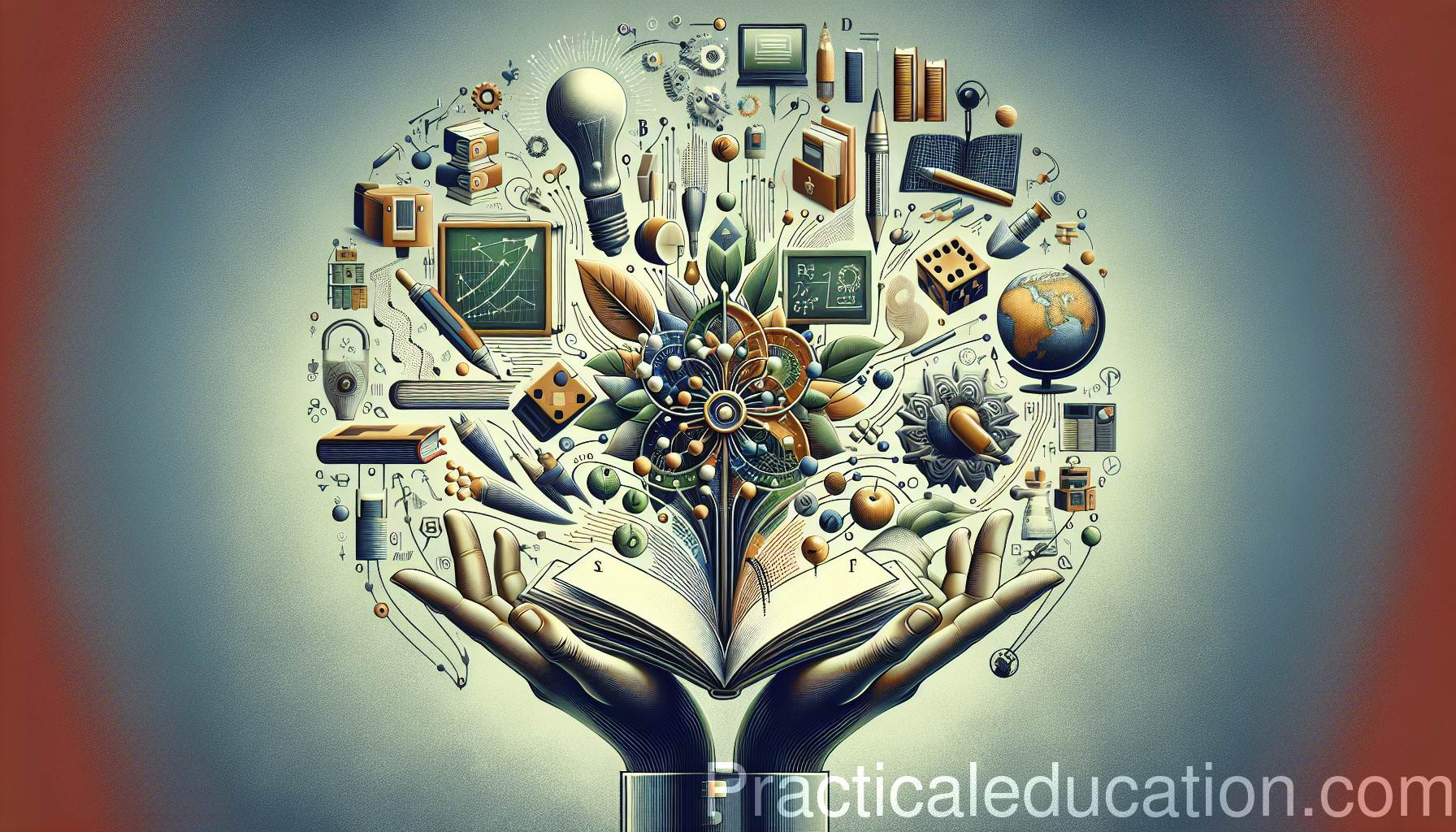
The word “education” has been corrupted—twisted into debt, stress, and passive obedience. Replace it with creation: create businesses, value, freedom, relationships, health, peace of mind. Every lesson must lead to something real and livable. No more theories without outcomes, no more learning without earning. You weren’t born to be taught—you were born to build.
The term "education" has evolved into something that can often seem misaligned with its original purpose.In many contexts, it is synonymous with a system of rote memorization, compliance, and the acquisition of degrees that hold diminishing relevance in a rapidly changing world.
These elements create an environment where students are passive recipients of information rather than active participants in their own growth.
In order to reclaim the essence of learning, we must fundamentally rethink what "education" means, transitioning it into the construct of "creation." This shift prioritizes hands-on, real-world applications of knowledge, paving the way for a generation capable of developing businesses, fostering relationships, and generating personal autonomy.
In traditional education models, students often find themselves burdened by the pressure to memorize facts and theories that, upon graduation, rarely manifest as applicable skills.
This focus on theoretical knowledge rather than practical ability not only limits personal growth but also stifles creativity and innovation.
Creation-oriented education defies this paradigm by focusing on outcomes that directly correlate with real-world applicability.
Students should engage with materials and projects that reflect the challenges and opportunities present in today’s economy.
By designing curricula that revolve around tangible creation—whether it be launching a startup, developing community projects, or contributing to societal well-being—students become producers of value rather than mere consumers of information.
Curriculum design must therefore pivot from the traditional subject-oriented model towards an interdisciplinary and project-based approach.
Each learning module should culminate in a project that embodies the principles of creation, integrating knowledge from various domains, including technology, economics, and social sciences.
For example, a course on environmental science could culminate in a student-led initiative to develop sustainable solutions for local communities, equipping students with both theoretical knowledge and practical experience.
Such initiatives not only enhance understanding but also promote social responsibility and entrepreneurial thinking.
Educational institutions may need to reassess their core missions to support this paradigm shift.
This means fostering an environment where educators act as facilitators of learning rather than dispensers of information.
Teachers should guide students through the ideation, development, and execution processes of their projects, providing support and resources while allowing students the autonomy to explore their interests and passions.
Professional development for educators could focus on methods of inquiry-based teaching and mentorship, empowering them to nurture student creativity and ownership of their learning trajectories.
Beyond the immediate classroom context, a global mindset is essential for the success of this educational reformation.
Cultures across the world embody different values and approaches to learning, and an effective model must be adaptable to these diverse educational landscapes.
For instance, Western education has often emphasized individualism and entrepreneurship, while many Eastern traditions highlight collaboration and community.
Synthesizing these perspectives allows for a more holistic approach to education, where students can learn the importance of both individual agency and collective responsibility.
This dual emphasis prepares them for global citizenship, equipping them to navigate an increasingly interconnected world.
In practice, creating an educational ecosystem that emphasizes creation necessitates collaboration across various stakeholders within and beyond the institution.
Schools, local businesses, and communities must work together to provide real-world challenges that students can address.
This integration of community projects into the curriculum not only allows students to apply their learning in meaningful contexts but also fosters partnerships that can lead to career opportunities and economic growth.
Given the complex geopolitical landscapes many students face today, the implications of a creation-centered education are particularly significant.
By equipping students with the tools and knowledge necessary to create solutions to local issues, we empower them to contribute positively to their environments and economies.
This training lays the groundwork for resilient individuals who can adapt and thrive amidst global challenges, from economic downturns to social inequality.
By emphasizing creation, education can become a catalyst for personal and communal advancement.
Assessment must also evolve to reflect these changes.
Rather than traditional testing measures that often prioritize memorization over practical application, new metrics for success could include the evaluation of projects, their societal impact, and peer collaboration.
This shift would not only provide a more accurate representation of student learning but also underscore the direct link between education and real-world outcomes.
Moreover, a creation-focused educational paradigm can stimulate a culture of lifelong learning.
Students who engage in meaningful projects are more likely to develop skills that will serve them in various aspects of life, promoting adaptability and resilience.
As they transition into adulthood, these individuals will be better prepared to navigate the complexities of the workforce, equipped not just with knowledge but with the practical skills necessary to thrive in an evolving economy.
In conclusion, the transformation from "education" to "creation" serves to dismantle outdated myths surrounding learning.
Emphasizing real-world applications fosters autonomy, creativity, and collaboration, equipping students to contribute value to their communities and the global economy.
This shift in focus aligns with the growing demands of a world in need of innovators, problem solvers, and engaged citizens.
As we move forward with these changes, we must remember that every lesson should lead to an outcome, and every student should be empowered to build a future that reflects their capabilities and aspirations.
“Education’s true function should not be to fill minds, but to cultivate creators.” — Eric Bach