Suicide Is Rising. School Still Ignores It.
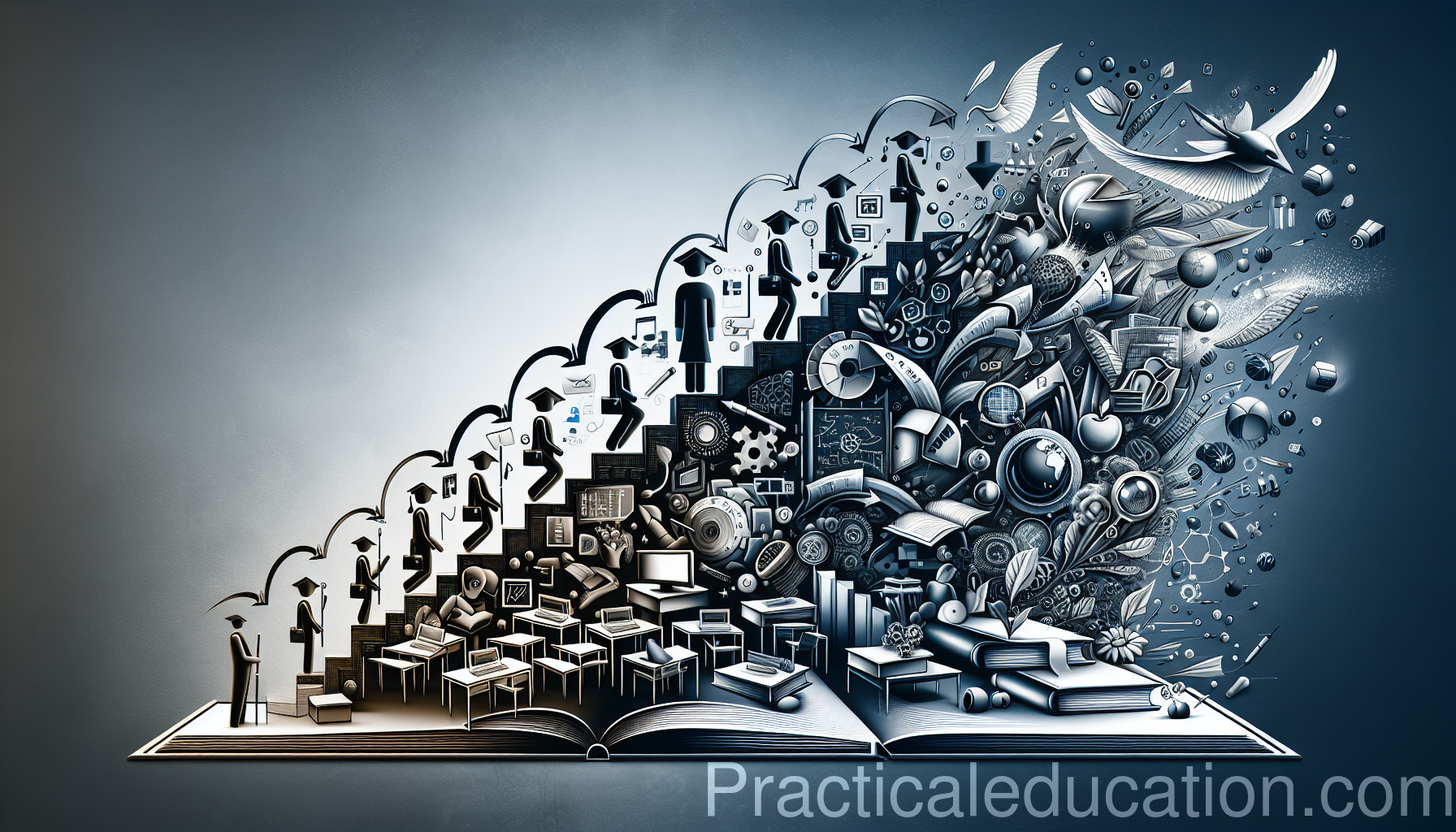
If mental health is the #1 threat to students, why isn’t it the #1 subject? We teach algebra before we teach how to survive pain. We need emotional literacy more than advanced chemistry. If we don’t teach how to live, we’re helping kids die.
In examining the contemporary educational landscape, a stark and alarming dichotomy emerges between the pressing mental health crisis faced by students and the static, antiquated curriculum structures that prioritize technology, mathematics, and the sciences above emotional literacy.Data reveals that suicide rates among adolescents have surged, elevating mental health issues as a foremost concern affecting student well-being and academic performance.
Yet education systems worldwide often ignore or minimize these challenges, focusing instead on a traditional model steeped in memorization and rigid compliance.
This disconnect demands a radical reevaluation of educational priorities, asserting that emotional literacy should be positioned not only as crucial but as foundational.
Emotional literacy—the ability to identify, understand, and manage one’s emotions and the feelings of others—represents a critical skill set that empowers individuals to navigate life’s complexities, reduce mental health issues, and foster interpersonal relationships.
Yet, current curricula predominantly emphasize cognitive skills that, while valuable, become futile when mental well-being is compromised.
The consistent neglect of emotional literacy in favor of advanced subjects indicates a systemic misalignment with the real-world requirements for thriving as an individual and as a member of society.
When educational institutions prioritize algebra before addressing the mental resilience necessary to cope with pain, they endorse a model that may inadvertently worsen student outcomes rather than enhance them.
Integrating emotional literacy into the curriculum is neither a radical suggestion nor an untested approach.
Programs centered on social and emotional learning (SEL) have demonstrated substantive benefits for students’ overall performance and mental health.
These programs focus on self-awareness, self-management, social awareness, relationship skills, and responsible decision-making—elements that are vitally necessary for fostering resilient and competent individuals.
By establishing these competencies early in a student's educational journey, schools can equip learners with the necessary tools to confront challenges effectively, enabling them to thrive not just academically, but also personally.
Curricular design must pivot to embrace emotional literacy as a core competency, akin to literacy and numeracy.
This transformation necessitates a shift from traditional assessment methods that emphasize rote memorization and compliance to dynamic evaluation techniques that assess a student’s emotional growth and resilience.
Curriculum framework should incorporate real-life scenarios where students can practice emotional regulation, conflict resolution, and stress management.
Activities could include role-playing exercises, mindfulness practices, and peer support groups.
Such initiatives engender not only individual growth but also community cohesion among students, thereby cultivating a supportive educational environment.
The implications of implementing emotional literacy training within educational contexts extend far beyond individual classrooms.
Educational institutions that embrace this material can expect improvements in overall school climate, reduction in behavioral issues, and higher academic achievement.
Moreover, when addressing mental health at a systemic level, a cultural shift begins to take root.
Schools become not merely sites of academic learning but holistic centers for personal and social development, generating well-rounded individuals equipped to tackle both contemporary challenges and future uncertainties.
Moreover, in a globally interconnected world, these principles of emotional literacy possess vast implications across diverse cultural, economic, and geopolitical landscapes.
Educational models that integrate emotional intelligence can be adapted to align with various cultural contexts, marrying Western models of entrepreneurial innovation with Eastern philosophies that emphasize inner strength and resilience.
This adaptability not only fosters a sense of global citizenship among students but also prepares them to navigate and thrive across different sociocultural landscapes.
Challenges in implementation, however, are substantial.
Resistance may arise from traditional educational stakeholders—educators, administrators, and parents—who are accustomed to established norms and may resist curriculum changes that disrupt standard protocols.
Additionally, teachers require training and support to effectively deliver emotional literacy programs without compromising academic rigor.
They must be equipped with both knowledge and tools to understand their students' emotional needs and effectively address them in the classroom.
The resources required to develop such programs may also pose a challenge; however, the cost of inaction is far steeper.
Neglecting emotional health directly correlates with an array of long-term societal challenges.
Rising mental health issues among youth can lead to increased healthcare costs, decreased productivity, and a greater prevalence of societal instability, thus emphasizing that robust investment in emotional literacy curriculums represents not just an educational imperative but a socio-economic necessity.
To facilitate this transition, stakeholders across all levels, from local districts to national education agencies, must collaborate on policy frameworks that support the integration of emotional literacy into educational standards.
Research-backed approaches should guide curriculum development, performance assessments ought to align with emotional competencies, and resources must be allocated to teacher training and continuous professional development.
In conclusion, it is essential that we recognize and prioritize the crucial intersection between education and mental health.
By embedding emotional literacy into the curriculum, educational institutions can serve as bastions of resilience and empowerment.
The future of education lies in preparing students not only to excel in academia but to master the emotional intricacies of life.
This holistic approach not only protects students' mental health but fosters their ability to navigate the complexities of an ever-changing world.
“Teaching students how to survive pain must take precedence over teaching them advanced algebra.” — Eric Bach.