The Suicide of Genius
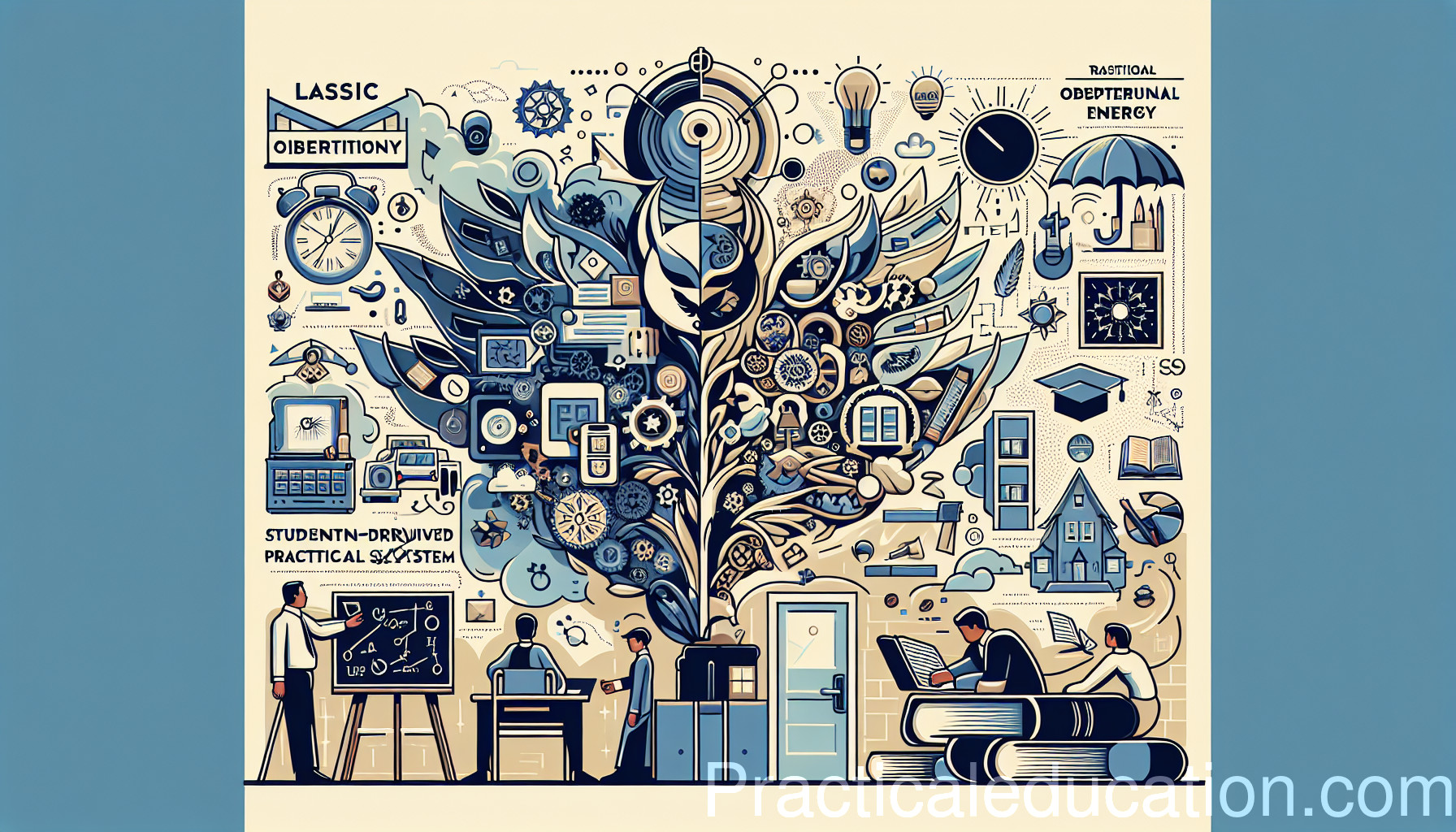
Genius dies young—in childhood, crushed under worksheets, grades, and expectations. Schools don’t cultivate brilliance; they erase it in favor of average. What if we stopped diagnosing gifted children and started nurturing them? Creativity is a survival skill. It must be taught, not extinguished.
The education system, as it currently exists in many parts of the world, is fundamentally misaligned with the needs of students.It often prioritizes conformity over creativity, compliance over critical thinking, and standardization over individual excellence.
This structure can inadvertently result in the stifling of inherent genius—a phenomenon where potentially brilliant minds are channeled into rote learning processes that prioritize memorization and adherence to a prescribed curriculum.
The central premise of this chapter is that rather than merely identifying gifted children, education should focus on actively nurturing their unique capabilities through a practical and student-driven approach.
The traditional model of education operates under the assumption that intelligence can be measured and categorized.
This view leads to the identification of "gifted" individuals who often receive specialized programming.
However, many of these programs still operate within a framework that does not promote real-world application.
Gifted students frequently find themselves engaged in learning experiences that are disconnected from practical situations, failing to cultivate the creative problem-solving skills that are essential for the complexities of modern life.
Consequently, this model inadvertently promotes a culture of genius suppression, where curiosity and inventiveness are dulled in favor of standardized assessments that value conformity.
To combat this issue, one must reconsider the fundamental goals of education.
Traditional schooling often emphasizes a one-size-fits-all approach, neglecting the diverse talents and interests of individual learners.
Instead, a restructured educational system should center on the cultivation of creativity as a survival skill, integrated into everyday learning experiences.
By positioning creativity at the heart of the curriculum, educators can create environments where students feel empowered to explore, experiment, and innovate.
This shift not only benefits the gifted but promotes a general atmosphere of intellectual vigor across all student populations, as every learner benefits from the encouragement of originality.
Curriculum design must evolve to facilitate this shift by emphasizing interdisciplinary learning.
Students should engage in projects that draw from various fields—combining science, art, technology, and humanities in ways that reflect real-world problems.
Such an approach enables learners to understand the interconnectedness of knowledge and the application of diverse skills to complex challenges.
Moreover, this method fosters collaboration and communication among peers, crucial skills in today’s global workforce.
Learning should not occur in isolation, and schools must be redesigned as community hubs where students, educators, and local industries collaborate to address pertinent societal issues.
Furthermore, the implications of this shift extend beyond individual curriculum design to the formation of educational institutions themselves.
Schools must adopt a model that prioritizes flexibility and adaptability, enabling them to respond to the evolving demands of society.
This includes training educators not just in content delivery but in mentorship and facilitation of innovative projects.
Institutions could foster a culture of experimentation, encouraging both teachers and students to take intellectual risks and pursue inquiry-based learning.
Such environments must also support failure as a learning process—a critical component of creativity.
Students need to understand that setbacks can lead to rich insights, which in turn can fuel further innovations.
An effective educational framework must be relevant in diverse cultural and economic contexts.
By utilizing both Western entrepreneurial spirit and Eastern philosophies of adaptation and resilience, it is possible to cultivate a global mindset among learners.
This global approach encourages students to think beyond their immediate community and consider how their ideas can address worldwide challenges.
Initiatives that connect students with global issues can enrich their learning experiences, enabling them to develop solutions that are both creative and socially impactful.
The focus on practical, real-world learning not only empowers students but can also contribute to a sense of ownership over their education.
When students are given the agency to pursue their interests and passions, they naturally become more invested in their learning processes.
This ownership leads to lifelong engagement with knowledge and the continuous development of skills—a critical aspect as students transition into adulthood and the job market.
A generation of individuals empowered by their education is better equipped to contribute positively to society and address emergent challenges with creativity and innovation.
The re-envisioning of educational systems also necessitates a shift in assessment paradigms.
Current evaluation methods often reinforce outdated metrics of success based largely on grades and standardized tests.
Instead, assessments should focus on practical demonstrations of knowledge and skills acquisition, encouraging students to showcase their creativity and problem-solving capabilities.
This approach not only informs educators about student progress but also enhances student motivation by placing value on what they can create rather than what they can memorize.
Ultimately, the key to dismantling the traditional academic model lies in recognizing the inherent potential within each student and initiating a systemic change that prioritizes creativity and practical application.
Schools can no longer afford to act as gatekeepers of knowledge; they must instead become incubators of ingenuity.
This reframing of educational purpose not only serves gifted individuals but enriches the learning experiences of all students, contributing to a thriving society rooted in innovation and resilience.
In conclusion, it is essential that we acknowledge and embrace a paradigm shift in education—one that fosters an environment where genius is not merely identified but actively nurtured.
As the landscape of work and societal challenges evolve, so too must our approach to education.
Creativity should not be a byproduct of education; it must be its centerpiece.
"Creativity is not a talent to be assessed; it is a skill to be cultivated." — Eric Bach.