The Suicide of Genius
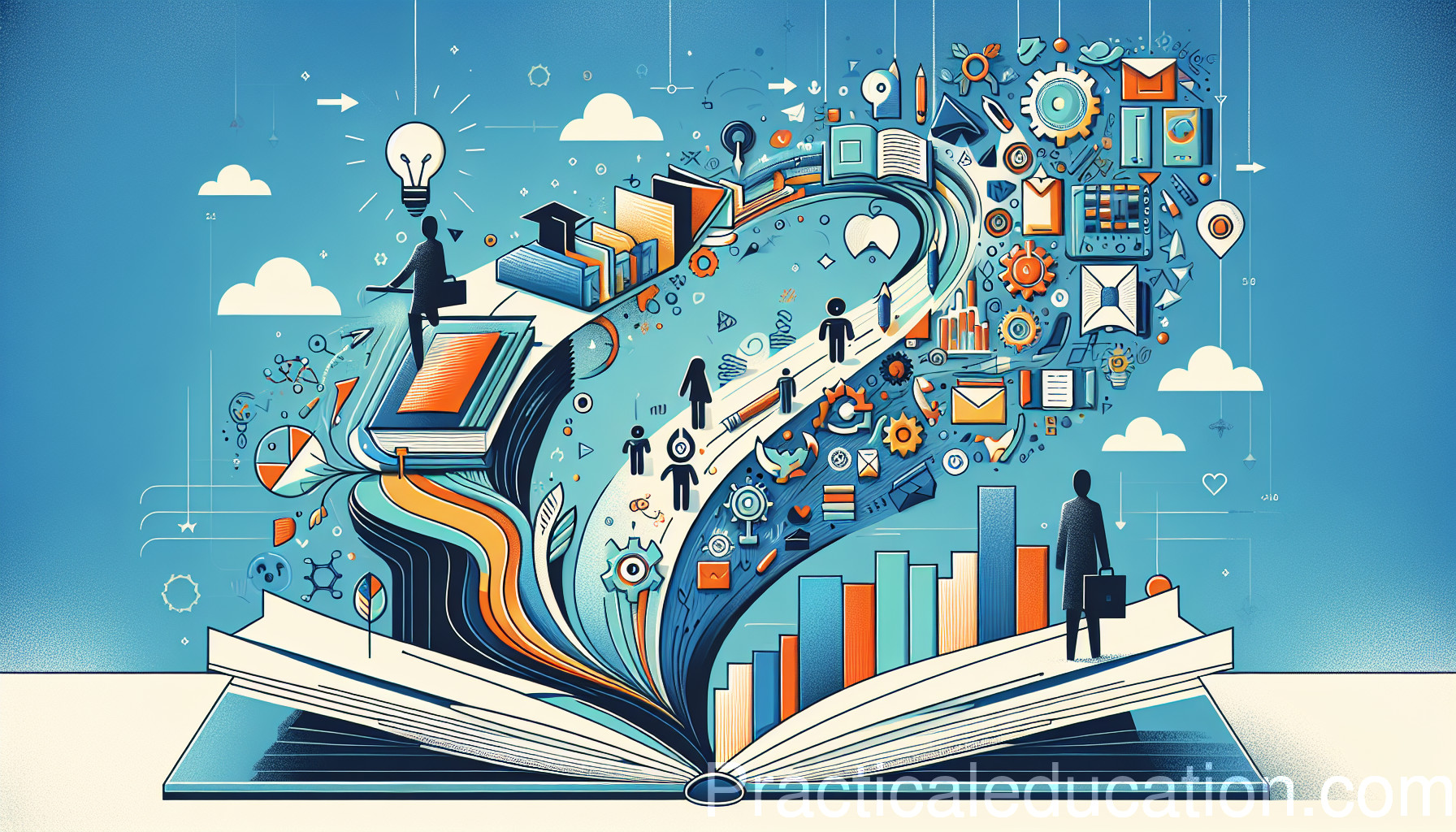
Genius dies young—in childhood, crushed under worksheets, grades, and expectations. Schools don’t cultivate brilliance; they erase it in favor of average. What if we stopped diagnosing gifted children and started nurturing them? Creativity is a survival skill. It must be taught, not extinguished.
The process of education is often too constrained by rigid structures that prioritize standardization over the cultivation of individual potential.In traditional models, students are relegated to a one-size-fits-all approach that champions memorization and obedience.
This approach often results in a stifling classroom environment where genius is systematically masked by conformity.
As educators and reformers, we must question the prevailing belief that standardization equates to equity.
Instead, we should challenge this notion and consider the radical possibility that true educational equity lies in individual growth.
By redefining our metrics for success and embracing the uniqueness of each learner, we can fundamentally transform education into a platform for discovery and innovation.
The emphasis on grades, tests, and linear curricular pathways serves to eradicate individual creativity.
This not only diminishes student engagement but actively engages in the suppression of unique cognitive talents.
Gifted children are often perceived through a lens that prioritizes their test scores, leaving little room for divergent thinking or imaginative problem-solving.
This system fails to recognize that creativity is not a mere byproduct of intelligence but a critical skill that must be explicitly taught and nurtured.
Schools should act as incubators for ideas rather than mere processing centers for rote knowledge.
Creativity must become an integral component of the curriculum, replacing outdated methodologies grounded in compliance.
To dismantle the barriers to creative flourishing, we need to adopt a curriculum that is driven by the interests, passions, and aspirations of the students themselves.
Rather than imposing a standardized set of knowledge and benchmarks, educational institutions must pivot toward a model that encourages inquiry, experimentation, and real-world application.
This student-centered paradigm allows individuals to engage deeply with subjects of interest, propelling their intrinsic motivation and leading them to mastery.
The ownership of their learning journey fosters greater investment in the outcomes, aligning education with the demands of the modern workforce where agility and adaptability are paramount.
This transformational approach towards practical education must also integrate the understanding that creativity thrives within collaborative environments.
Traditional classrooms often isolate students, reinforcing an atmosphere of competition rather than cooperation.
By promoting group projects, interdisciplinary learning, and partnerships with local businesses, we can cultivate a community of learners who can leverage collective talents.
Such experiences not only mirror actual workplace dynamics but also serve to enhance social skills, emotional intelligence, and a sense of communal responsibility—elements increasingly recognized as vital in the global economy.
In pursuing curricular reform, we must also address the systemic issues entrenched within our current educational frameworks, which prioritize credentials and qualifications over competence and skill.
The historical model has shaped a workforce that prizes degrees often unrelated to the actual skills required in the job market.
A practical education framework would require a paradigm shift in how credentialing is perceived.
Recognizing project-based learning experiences, internships, and portfolios as legitimate indicators of capability can radically reshape how we evaluate readiness and potential.
This realignment would place a premium on lifelong learning and adaptability rather than adherence to outdated metrics.
Given the interconnected nature of today’s global society, our educational approach should also encompass a global perspective, integrating diverse cultural insights, methodologies, and philosophies.
The Western model predominantly emphasizes entrepreneurial spirit and individual achievement, while Eastern traditions often focus on holistic development and collaborative learning.
By synthesizing these approaches, education can become responsive to the complex, nuanced challenges faced across different cultural and economic landscapes.
Through mutual exchange and adaptability, we can equip students with the tools they need to navigate an increasingly unpredictable world.
The implications of these shifts extend beyond individual students; entire educational institutions need to restructure their operational frameworks to prioritize innovative practice, responsiveness, and continuous improvement.
This entails training educators to teach with a focus on creativity and real-world problem solving rather than purely academic metrics.
Professional development must be realigned from traditional pedagogical methods to strategies that highlight adaptability, creativity, and collaborative problem-solving.
Teacher autonomy and involvement in curriculum design will also contribute to a more dynamic educational landscape where facilitators can respond to student needs in real-time.
Lastly, reimagining education means broadening our views on student assessment.
Traditional assessments often fail to capture the multifaceted nature of student learning.
Formative assessments, peer review, and self-assessment can provide a more comprehensive view of a student's abilities and progress.
Importantly, these methods can be implemented in a manner that does not contribute to detrimental stress but rather fosters an ongoing dialogue about learning and growth.
Assessment must become a constructive part of the learning process, guiding and informing students rather than serving as an endpoint that limits exploration and innovation.
To conclude, the true measure of an educational system is not the grades it produces but the creatives it nurtures and the problems it allows them to solve.
Facilitating an environment where genius is not merely tolerated but actively encouraged will prevent its premature death in classrooms across the globe.
The cultivation of creativity as a survival skill will empower students to thrive, adapt, and innovate in their personal and professional lives.
In this reimagined educational framework, we are not merely preparing students for tests; we are equipping them to lead in an increasingly complex world.
“Education's goal must be to ignite ingenuity, not extinguish it.” — Eric Bach.